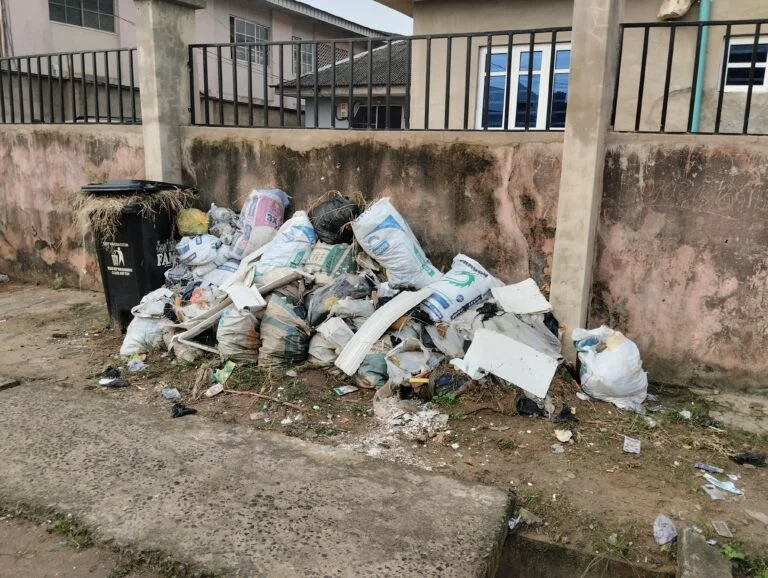
Residents across several prominent areas of Lagos State, including Alimosho and Surulere, are expressing deep frustration over months of uncollected refuse, a situation they contend is severely undermining the objectives of the state’s recently reintroduced monthly environmental sanitation exercise. Despite a renewed commitment from the state government to foster a culture of cleanliness, the visible accumulation of waste at designated collection points and along residential streets threatens public health and erodes civic morale.
The News Agency of Nigeria (NAN) reported widespread discontent from communities such as Akiwowo, Apatira, and Alaguntan in Alimosho, and Masha, Lawanson, Kilo, and Ogunlana in Surulere. Residents across these diverse locales uniformly affirmed their commitment to actively participating in the monthly cleanup exercises but issued an urgent plea to authorities for prompt and consistent waste evacuation. Their efforts, they argue, are rendered futile when the cleared refuse remains on the streets, often spreading back into newly cleaned gutters and public spaces.
A Resumed Endeavor Amidst Lingering Challenges
The Lagos State Government had, on April 25, 2026, officially reinstated its monthly environmental sanitation exercise, marking the end of a nearly ten-year hiatus. The initiative, designed to instill a renewed sense of environmental responsibility and improve hygiene across the bustling metropolis, mandates a two-hour period of cleanup from 6:30 am to 8:30 am on the last Saturday of every month. During this stipulated time, movement is restricted to encourage widespread participation in community-wide sanitation efforts. The reintroduction was met with cautious optimism, as many residents recalled previous iterations of the exercise that had, at times, yielded positive results in maintaining urban cleanliness.
However, just months into its revival, the program faces significant operational hurdles, primarily stemming from what residents describe as the persistent failure of Private Sector Participant (PSP) waste operators to collect refuse in a timely manner. This disconnect between citizen effort and state-mandated service delivery has created a growing sense of disillusionment.
Voices from the Communities: A Symphony of Frustration
In Alimosho, the frustration is palpable. Mr. Shola Aboro, a resident of Apatira Street, articulated the sentiment shared by many. “I have done my part of the sanitation this morning and hope to continue in order to keep my environment clean,” Aboro stated, echoing the diligent efforts of countless households. Yet, he continued, “However, it is quite discouraging to see the refuse we have cleared return to the gutters because the PSP trucks have refused to come pick them. For this environmental sanitation to be sustainable, the state government has to do their part in ensuring that our wastes are picked on time.” His words underscore a critical point: the sustainability of such initiatives hinges on a reciprocal relationship where citizen compliance is met with efficient government service.
The sentiment of futility was further amplified by Mummy Daniel, another Alimosho resident, who warned of her potential withdrawal from the exercise if the waste situation does not improve. “It will be futile if all we do monthly is to clear our environment and the refuse is not cleared out by the agency responsible for it,” she lamented. Her frustration is compounded by the fact that she, like many others, regularly pays for PSP services. “It is so discouraging to pay for the PSP services monthly and for the past four months our garbage has not been moved. The essence of the sanitation will be ultimately defeated if the waste cleared are not cleared out when as at when due,” she added, highlighting the financial burden coupled with service failure.
Even those who maintain a semblance of participation express reservations. Mr. Ambrose Udeh, a commercial motorcyclist, reported participating in the morning cleanup before heading out to work. “I have done my own sanitation exercise this morning but I need to feed my family, so I must come out to work,” he explained, showcasing the delicate balance many Lagosians strike between civic duty and economic survival. “I believe if we do our part and the government does its own part, our state will be clean.”
The most stark expression of disillusionment came from Mr. Nose Omorodion of Cash Street, who admitted that persistent refuse heaps had actively discouraged his participation. “The environment is dirty, everywhere you turn there is a pile of dirt, so what are we coming to clean?” Omorodion questioned, his words painting a grim picture of widespread neglect. He concluded with a poignant and somewhat desperate remark: “We have been promised that our refuse will be cleared when we clean our environment but for how long? We just hope that the dirt will not drown us.”
Surulere Mirrors Alimosho’s Plight
The situation in Surulere presents a parallel narrative of frustration. Despite visible compliance with the sanitation exercise, with many residents sweeping their surroundings and clearing drainages, heaps of refuse stubbornly remained at designated collection points. Mrs. Bose Akinyemi, a resident of Masha, articulated a common concern: “We have done our part by cleaning our surroundings, but the refuse is still here. Once the rain falls, the waste spreads into the gutters, blocks drainage channels and makes the environment unhealthy.” This observation highlights the seasonal exacerbation of the problem, particularly with the ongoing rainy season.

The health implications are a growing source of worry. Mr. Adewale Baruwa of Lawanson pointed to the proliferation of mosquitoes as a direct consequence of stagnant water around refuse heaps. “The mosquitoes are everywhere now because of the rains and the refuse. It is becoming difficult to keep them out of our houses. We are worried about the health implications, especially for children,” he warned, underscoring the vulnerability of the younger population to vector-borne diseases.
The lack of reliable PSP services has forced many households into costly alternatives. Mrs. Funke Sulaimon, a Kilo resident, revealed that “many households had resorted to paying cart pushers to evacuate their waste because PSP trucks were no longer coming regularly.” This informal waste management, while providing a temporary solution, often comes with its own set of challenges, including unregulated dumping practices and additional financial burden on citizens already paying for formal services.
Mr. Waidi Kareem of Ogunlana reiterated the collective plea for improved service delivery. He urged the Lagos State Government and the Lagos Waste Management Authority (LAWMA) to enhance the frequency and efficiency of waste evacuation. According to Kareem, regular refuse collection is not merely a convenience but a critical complement to the sanitation exercise, essential for preventing flooding and mitigating disease outbreaks, particularly during the rainy season.
Background and Broader Context of Waste Management in Lagos
Lagos, as one of Africa’s most populous megacities, grapples with an immense waste management challenge. The city generates an estimated 13,000 to 15,000 metric tons of waste daily, a figure that continues to grow with its burgeoning population. Managing this colossal volume of refuse requires a robust, integrated system encompassing collection, transportation, processing, and disposal. LAWMA, the primary agency responsible for waste management, partners with PSP operators to handle household and commercial waste collection.
Historically, environmental sanitation exercises, often accompanied by movement restrictions, have been a recurring feature of public health policy in various Nigerian states, including Lagos. These exercises aim to mobilize citizens for collective cleaning efforts, clear drainages, and generally improve urban aesthetics. However, their long-term effectiveness has often been contingent on the efficiency of post-cleanup waste evacuation. The previous ten-year break in Lagos’s monthly exercise was attributed to various factors, including a shift in waste management policy towards a more privatized, door-to-door collection model under the Cleaner Lagos Initiative, which itself faced significant operational and financial challenges before a subsequent policy recalibration. The reintroduction of the monthly sanitation exercise in 2026 signaled a renewed attempt to combine citizen engagement with institutional efforts.
Health and Environmental Implications: A Ticking Time Bomb
The implications of uncollected refuse extend far beyond mere aesthetics. Public health experts consistently warn of the severe health risks posed by overflowing waste bins and uncontrolled dumpsites. These include:
- Vector-borne Diseases: Stagnant water accumulating in refuse heaps provides ideal breeding grounds for mosquitoes, leading to an increased incidence of malaria, dengue fever, and other vector-borne illnesses. Rodents attracted to waste can spread leptospirosis and Lassa fever.
- Gastrointestinal Diseases: Contamination of water sources and food by decaying waste can lead to outbreaks of cholera, typhoid, dysentery, and other waterborne and foodborne diseases.
- Respiratory Problems: The common practice of open burning of refuse, often resorted to by desperate residents, releases toxic fumes and particulate matter into the air, exacerbating respiratory conditions like asthma and contributing to long-term lung damage.
- Skin Infections: Direct contact with contaminated waste can cause various skin infections and irritations.
Environmentally, the impact is equally devastating. Uncollected refuse clogs drainage systems, leading to severe flooding during heavy rains, a problem that is particularly acute in low-lying areas of Lagos. This flooding displaces residents, damages property, and disrupts economic activities. Furthermore, decomposing waste leaches harmful chemicals into the soil and groundwater, contaminating vital natural resources. The aesthetic blight of refuse heaps also negatively impacts the quality of life, reducing property values and deterring investment.
Official Stance and Path Forward
While specific official statements regarding the current backlog in Alimosho and Surulere were not immediately available, the Lagos State Government and its waste management agencies, such as LAWMA, typically emphasize their commitment to a clean and healthy Lagos. Authorities are expected to reiterate the challenges of managing waste for a rapidly growing population and often appeal for continued public cooperation in proper waste disposal. They might also highlight ongoing efforts to optimize waste collection routes, improve fleet maintenance for PSP operators, and enhance enforcement against illegal dumping. The Kick Against Indiscipline (KAI) brigade, observed monitoring compliance with movement restrictions during the sanitation exercise, plays a role in enforcing environmental laws, though their direct impact on waste evacuation efficiency is limited.
Analysts suggest that for the reintroduced sanitation exercise to achieve its full potential, a more integrated and responsive waste management strategy is crucial. This would involve:
- Enhanced Monitoring and Enforcement: LAWMA must rigorously monitor PSP operators to ensure they adhere to collection schedules and service standards. Penalties for non-compliance should be consistently applied.
- Improved Infrastructure: Investing in modern waste collection vehicles, transfer loading stations, and waste processing facilities is paramount.
- Public-Private Partnership Review: A re-evaluation of the current PSP model might be necessary to address operational bottlenecks, payment issues, and service gaps.
- Community Engagement and Education: While residents are participating in cleanup, continuous education on proper waste segregation at source could significantly improve the efficiency of the entire waste management chain.
- Sustainable Funding: Ensuring a sustainable and transparent funding mechanism for waste management services is critical to prevent service interruptions.
The current situation in Alimosho and Surulere serves as a stark reminder that environmental sanitation is a two-way street. Citizen participation, while vital, must be met with effective and reliable service delivery from the authorities. Failure to address the persistent issue of uncollected refuse risks not only undermining a well-intentioned government initiative but also eroding public trust and exacerbating pressing public health and environmental crises in Nigeria’s most populous city. The plea from residents for timely waste evacuation is not merely a request for convenience but a fundamental call for a government to uphold its end of the social contract for a livable and healthy urban environment.