
The decision by Leicester City’s principal shirt sponsor, the online gambling platform BC Game, to appoint prominent adult film actress and social media personality Eva Elfie as a brand ambassador has ignited a fierce controversy. The move has prompted an official statement of "dismay" from the Foxes Trust, the official supporters’ group of the historic English club. This latest development adds a complex layer of reputational risk to a partnership that has already faced scrutiny from the club’s fanbase since its inception at the start of the 2024-25 season.
The announcement, which was made via social media on Tuesday, featured a promotional video showcasing Elfie alongside a delivery driver, accompanied by the caption, "Welcome to BC Game Eva Elfie! Let the fun begin." While the gambling firm maintains that the partnership is intended to bridge the gap between their platform and the burgeoning esports and gaming community, the intersection of the adult industry and professional football has triggered significant ethical concerns among the Leicester City faithful.
A Chronology of the Partnership and Recent Controversy
The relationship between Leicester City and BC Game began under a cloud of skepticism. When the club announced the front-of-shirt sponsorship deal for the 2024-25 campaign, it was met with immediate reservations from segments of the support base who were uncomfortable with the club’s association with the gambling industry.
- Pre-Season 2024: Leicester City Football Club officially announces BC Game as its primary shirt sponsor, describing the company as a "socially responsible platform" that provides an "enjoyable and safe gaming experience."
- The 2024-25 Season: Throughout the opening months of the season, the Foxes Trust and other vocal supporter groups express consistent discontent regarding the alignment between the club’s traditional values and the aggressive marketing tactics of the gambling sector.
- November 2026: BC Game publicly confirms the appointment of Eva Elfie, an international content creator and adult film star, as a global brand ambassador.
- Immediate Aftermath: The Foxes Trust issues a formal, strongly-worded statement titled "BC Game – It gets worse," denouncing the move as an affront to the club’s identity and a potential safeguarding concern.
The Foxes Trust: A Critique of Corporate Alignment
In their official response to the appointment, the Foxes Trust highlighted the perceived disconnect between the club’s community-focused ethos and the business model of its sponsor. The trust expressed that the inclusion of an adult industry figure in the branding of a partner tied to their club is a bridge too far.
"Most Leicester City supporters will know by now the trust’s dismay and discontent with BC Game being our front of shirt sponsor," the statement read. "From the moment the club decided to take sponsorship from a betting company, we felt Leicester City were ditching its values. Now, throw into the mix that BC Game has entered into a partnership with someone who continues to make their name via adult content."
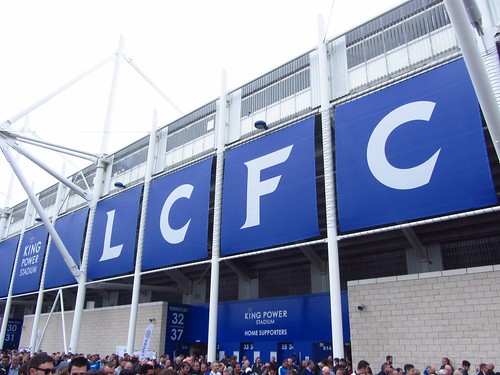
The Trust’s critique centers on the broader societal impact of such marketing strategies. By linking the visibility of a professional football club with both the gambling industry and the adult entertainment sphere, they argue that the club is inadvertently exposing its younger demographic to industries that carry significant social risk. "Both gambling and pornography can have devastating impacts on people’s lives, in particular young people. Partnerships like these bring these two worlds to a larger audience and, by association, link them to Leicester City. Is this who we are now?"
BC Game’s Strategic Rationale
In contrast to the criticism, BC Game has defended the appointment by emphasizing Elfie’s credentials within the digital and esports landscapes. In a post published on the professional networking platform LinkedIn, the company sought to reframe the narrative by focusing on her reach and influence in the gaming sector.
BC Game Chief Executive Ali "Ako" Muhanned stated: "Eva has built an incredible relationship with the gaming and esports community through genuine passion and consistent content creation." The company’s marketing strategy appears designed to leverage the crossover between online gaming, high-stakes digital betting, and the influence of internet celebrities. By positioning Elfie as an "esports personality," the firm is attempting to sanitize the partnership in the eyes of the public, though this approach has clearly failed to appease the critics in Leicester.
The Landscape of Football Sponsorship and Regulatory Challenges
The friction at Leicester City is emblematic of a wider, systemic tension within the English football pyramid. As clubs seek to maximize commercial revenue in an increasingly competitive economic climate, they are often forced to turn to high-yield industries like cryptocurrency, online casinos, and international betting platforms.
According to industry reports, shirt sponsorship deals involving gambling companies in the UK have surged over the past decade. However, this has been met with a simultaneous rise in scrutiny from regulators, including the UK Gambling Commission and various campaign groups focusing on gambling-related harm.
It is important to note that BC Game’s services are not currently available to users within the United Kingdom. When the deal was initially signed, the club emphasized this distinction, presumably to insulate themselves from domestic regulatory backlash. However, the global nature of the internet and the international profile of a Premier League or EFL club mean that local geographic restrictions do little to dampen the moral or brand-related criticism that arises when a sponsor makes a controversial marketing decision on a global stage.

Implications for the Club and the Sponsorship Model
The controversy raises critical questions regarding the due diligence process undertaken by football clubs when entering into multi-million-pound sponsorship agreements. When a club selects a partner, the sponsor’s brand identity effectively becomes a subset of the club’s own image.
- Reputational Damage: The immediate impact is the alienation of the core fanbase. When supporters feel that a club’s commercial interests are at odds with their ethical standards, it can lead to a erosion of trust between the hierarchy and the community.
- The "Slippery Slope" Argument: The Foxes Trust’s reaction is rooted in a fear of normalization. By accepting a gambling sponsor, they argue, the club has opened the door to more controversial associations, such as the current partnership with an adult entertainer.
- Governance Reform: This incident is likely to increase pressure on football governing bodies to establish stricter guidelines regarding the types of businesses allowed to hold prominent advertising space on team kits. While revenue is essential for survival, many argue that there should be a "values-based" vetting process that looks beyond the financial solvency of a prospective sponsor.
The Broader Social Context
The intersection of sport and adult content is not entirely new, but it remains a highly sensitive topic. For a community-rooted institution like Leicester City, the association with an adult film star—regardless of her secondary status as a gaming influencer—creates a narrative of conflict.
Social analysts often point out that football clubs are unique commercial entities because they are also cultural hubs. Unlike a standard corporation, a club carries the identity, history, and moral expectations of an entire city. When commercial decisions are made in a vacuum of profit-maximization, the result is often the kind of public pushback currently being witnessed at the King Power Stadium.
Future Outlook
As the 2024-25 season progresses, the board of Leicester City will likely face continued pressure to address these concerns. Whether the club chooses to engage in a formal dialogue with the Foxes Trust or simply allows the news cycle to move on remains to be seen. However, the incident serves as a stark reminder to clubs across the globe: in an era of hyper-connectivity and intense scrutiny, the vetting of a commercial partner must involve more than just a review of their financial capacity. It requires an audit of their cultural footprint and the potential social implications of their marketing activities.
The outcry from the Leicester support base is not merely about the specific individual involved, but rather about the perceived trajectory of their club’s corporate identity. Until the club and its sponsor can reconcile their outreach strategies with the values of the local community, the tension between the commercial boardroom and the terraces is likely to persist. The case of BC Game and Eva Elfie will almost certainly be cited in future debates regarding the ethics of sports sponsorship and the responsibility that clubs bear in protecting their brand integrity from the influence of controversial, albeit profitable, industry partners.