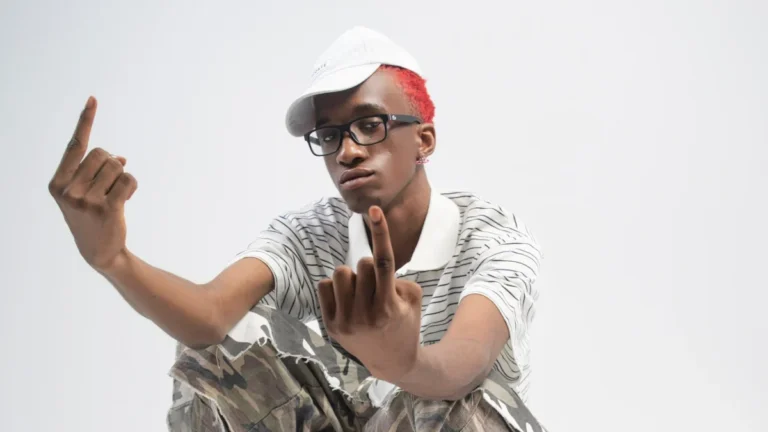
In a climate where the digital footprint of emerging artists is increasingly scrutinized, Nigerian singer Mavo has taken a proactive step to address his past by issuing a formal apology for a series of derogatory social media posts. The controversy stems from unearthed tweets dating back to his early university days, during which the artist frequently utilized social media platforms to critique established figures in the Nigerian music industry, including high-profile stars such as Davido and Ayra Starr.
The resurfacing of these comments has triggered a broad discourse regarding the longevity of digital content and the maturation process of artists as they transition from vocal social media users to professional figures in the entertainment sector.
The Anatomy of the Controversy
The posts in question were characterized by a highly critical tone, often targeting the creative output and public personas of Nigeria’s leading musical exports. At the time these tweets were authored, Mavo was a student navigating the early stages of his interest in music. According to the artist, his perspective was heavily influenced by a desire to participate in the "Twitter discourse" that often defines pop culture conversations in Nigeria.
The revival of these tweets occurred as fans and online observers began conducting retrospective audits of the singer’s social media activity. As his own profile has grown, the contrast between his current professional standing and his past commentary became a focal point of contention. The public reaction was swift, with many questioning the intent behind his previous remarks and challenging the character of an artist who once positioned himself as an adversarial critic of his peers.
Chronology of Events
The timeline of this incident reflects the modern lifecycle of online reputational challenges:
- Initial Activity (Pre-Career): Mavo, then a university student, engaged in frequent critique of mainstream Nigerian acts. These comments were largely viewed as the opinions of a casual observer rather than a professional industry peer.
- Career Progression: Mavo began his formal ascent in the music industry, releasing projects that garnered attention and solidified his status as a legitimate artist.
- The Digital Audit (September 2026): Social media users began digging into the archives of Mavo’s profile, bringing his earlier, inflammatory comments to the forefront of the public conversation.
- The Public Response (September 24, 2026): Confronted with the viral nature of these resurfaced tweets, Mavo issued a public statement via his official account, acknowledging the harm caused and expressing regret for his past behavior.
The Psychology of the "Keyboard Critic"
Mavo’s admission offers a candid look into the mindset of social media users who interact with the music industry from the outside. In his statement, the singer explained that he viewed his early commentary as a form of engagement, rather than a malicious endeavor. "I was a bad entertainment critic when I started uni until I realized superstars don’t really care about Twitter," he wrote.
This realization serves as a common inflection point for many artists who find that the distance between a fan and a peer is bridged not by discourse, but by the shared labor of creating music. Mavo noted that his shift in perspective was not merely an attempt to save face, but a fundamental change in his operational philosophy. By redirecting his focus from external criticism to internal creative development, he claims to have found a "greater sense of peace."
Impact on Industry Relationships
A significant aspect of the apology was Mavo’s acknowledgment that his words were not just text on a screen, but reflections that likely affected the individuals involved. He explicitly addressed the fact that he has since met several of the artists he once criticized.
"I have met most of these people and they actually turn out to be amazing people," he noted, highlighting the dissonance between the perception of a star cultivated through social media versus the reality of personal interaction. This sentiment is a recurring theme in the entertainment industry, where the "Twitter persona" of an artist often bears little resemblance to their actual work ethic or character.
Broader Implications: The Digital Footprint
The situation surrounding Mavo is emblematic of a broader challenge facing the current generation of entertainers. In an era of archival digital storage, the "sins" of one’s youth—often documented in the form of social media posts—are never truly deleted.
For many artists, this raises critical questions regarding professional branding:
- The Maturity Gap: Can an artist be held accountable for the opinions they held years before they were under the public spotlight?
- The "Cancel Culture" Dynamic: Does the public’s demand for apologies create a performance of contrition, or does it serve as a necessary step for industry accountability?
- Professional Evolution: How should the public weigh an artist’s current output against their historical social media activity?
Data from recent years suggests that PR crises stemming from social media archives have become a staple of celebrity management. Industry analysts suggest that "digital spring cleaning" is becoming a standard operating procedure for rising stars, though many—like Mavo—are left to handle these matters reactively.
Official Response and Public Sentiment
While no official statements have been released by the representatives of the artists Mavo mentioned (Davido, Ayra Starr, etc.), the general public reception to Mavo’s apology has been a mixture of skepticism and acceptance. Some followers have lauded the singer for his transparency and willingness to own his past mistakes, while others remain critical of the initial nature of his comments.
By taking full ownership of the posts rather than blaming external factors or claiming his account was hacked—a common but often ineffective defense—Mavo has attempted to control the narrative surrounding his professional identity.
Analysis: Moving Forward
The incident serves as a cautionary tale for aspiring artists who utilize social media as a platform for commentary. The transition from an observer to a participant in the Nigerian music industry necessitates a higher level of decorum and a recognition of the professional networks one will eventually join.
Mavo’s final appeal, "Let love lead," suggests a desire to move beyond the toxicity that often permeates online music discourse. As he continues to build his career, his ability to pivot from a provocative voice to a collaborative artist will likely depend on his consistency in applying this new philosophy.
Ultimately, the impact of these resurfaced tweets will likely fade as the singer continues to produce music that shifts the conversation back to his creative output. However, the incident remains a significant chapter in his career—a reminder that in the age of the internet, the past is never truly behind you, and the only way to reconcile it is through direct acknowledgment and a commitment to change.
Conclusion
The trajectory of Mavo’s career, now marked by this moment of public reflection, underscores the evolving nature of celebrity in Nigeria. As the industry continues to expand globally, the scrutiny placed upon its players will only increase. Whether this apology will be sufficient to fully bury the controversy remains to be seen, but the singer’s decision to address the matter with sincerity provides a roadmap for others facing similar challenges. For now, the focus shifts back to his music, with the industry watching to see if his future actions will align with the grace he has asked for in his apology.
By prioritizing his own craft over the critique of others, Mavo is attempting to reframe his professional identity, hoping that the public will judge him by the music he produces today rather than the tweets he wrote as a student yesterday. The challenge, however, remains for all digital natives to recognize that the internet is a permanent record, and the opinions of today may very well be the controversies of tomorrow.