
As the global appetite for African sounds continues its exponential upward trajectory, the ecosystem responsible for nurturing this wave is adapting to a rapidly shifting digital landscape. For two decades, platforms like BellaNaija have served as vital cultural archives, chronicling the rise of icons who have taken Afrobeats and Nigerian alternative music from local Lagos studios to international arenas. Continuing this legacy of artist advocacy, the "BN On Our Radar" series was established to document a new generation of rising stars—artists who are not merely participating in the current musical renaissance, but actively constructing its future. Among the standout talents capturing the attention of both industry gatekeepers and millions of listeners is the breakout singer-songwriter Abefe, whose ascent underscores the profound impact of social media algorithms, authentic storytelling, and vulnerable lyricism in modern African pop culture.
The Rise of a Digital-Age Troubadour
Abefe’s emergence into the Nigerian mainstream represents a modern blueprint for success in the digital age. Long before his name began trending across streaming platforms, music was an intrinsic part of his daily existence. However, the turning point in his trajectory arrived through TikTok, where a series of soulful, acoustic covers propelled him into viral prominence. In an era saturated with high-tempo, production-heavy club anthems, Abefe carved out a distinct niche by leaning into emotional vulnerability. His raw delivery and evocative vocal texture struck a chord with audiences navigating their own complexities of love, heartbreak, and self-discovery.
This digital momentum quickly translated into tangible commercial milestones. His viral presence culminated in millions of cumulative streams across major digital service providers, signaling that his online following was not just a passing trend, but a deeply engaged listenership. Furthermore, his undeniable talent has earned him public endorsements from established heavyweights in the Nigerian music industry, including BNXN and Joeboy. Such nods from respected artists serve as a crucial stamp of approval, validating his artistic direction and introducing his catalog to broader, pre-established fanbases.
Chronology and Artistic Evolution
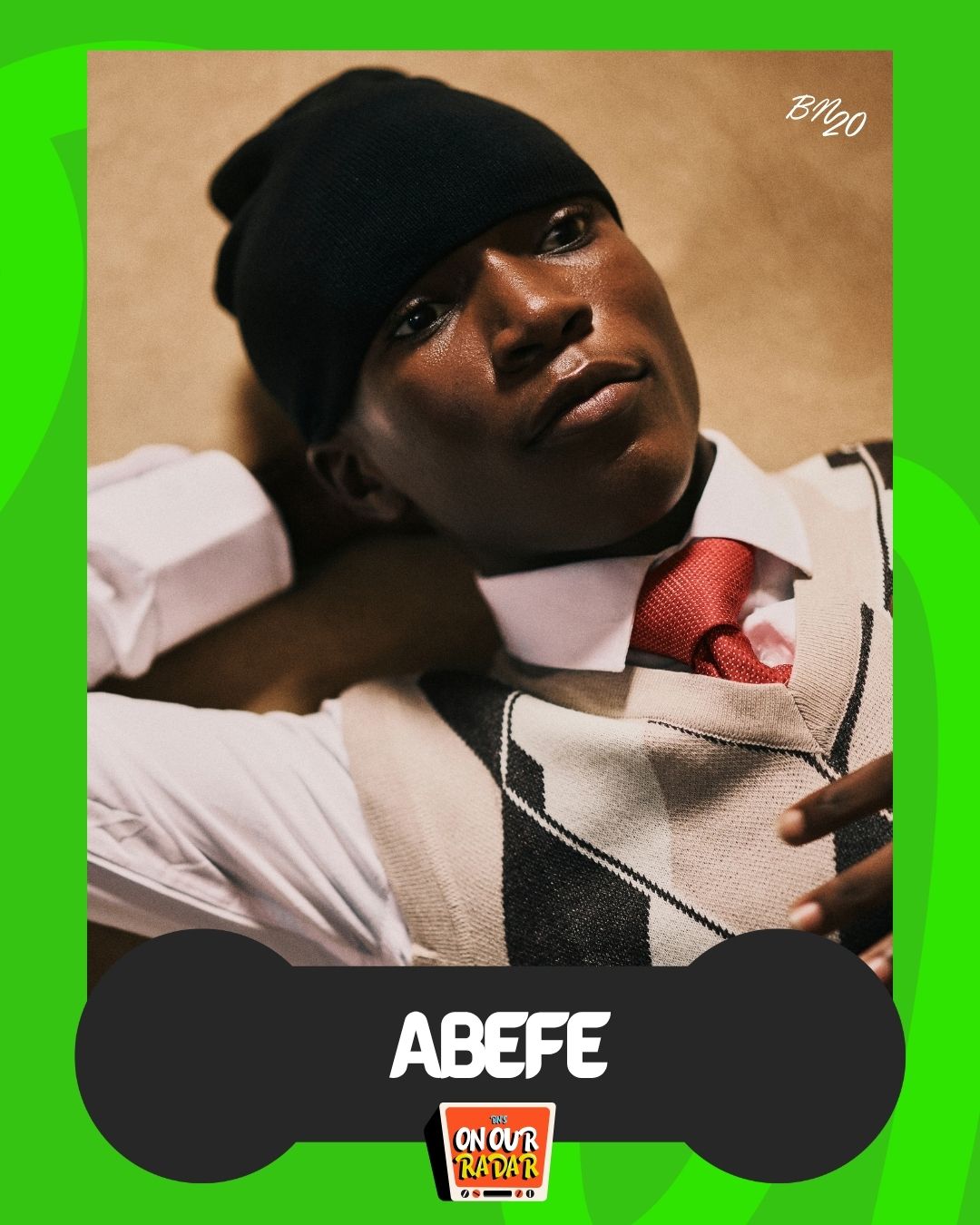
Abefe’s journey into professional music is rooted in a lifelong dedication to his craft, but his formal introduction to the industry began with the recording of his debut professional single, "Romeo and Juliet." This foundational track established his thematic focus—exploring the nuances of romance and human connection through a deeply personal lens.
As his audience expanded, so did his artistic ambition. The momentum from his viral covers and early singles paved the way for his debut body of work, the EP titled Abefe (Begged to Be Loved). The project reflects his growth as a songwriter, blending contemporary Afrobeats rhythms with alternative R&B sensibilities. Milestones have come thick and fast during this breakout period, highlighted by moments such as his feature climbing to number three on the charts with "Yori Yori." Reflecting on these early triumphs, Abefe credits not just the viral highlights, but every formative childhood experience that shaped his worldview, viewing his current platform as a testament to perseverance and creative evolution.
Supporting Data and Market Implications
The phenomenon of artists like Abefe rising to prominence via social media platforms reflects broader structural shifts within the global music industry. According to recent digital media reports, short-form video platforms have become the primary discovery engine for emerging talent, particularly in vibrant music markets like Nigeria, where mobile-first internet penetration is at an all-time high. Independent artists utilizing TikTok and Instagram Reels can bypass traditional gatekeeping models, connecting directly with global audiences and generating streaming revenue before signing major label deals.
For the Nigerian music industry, this decentralized discovery process broadens the sonic palette available to consumers. While party-centric and high-energy tracks continue to dominate commercial radio and nightlife, the commercial viability of vulnerable, lyric-driven artists like Abefe proves that contemporary African listeners crave emotional depth and relatability. This diversification strengthens the overall ecosystem, ensuring that the global export of Nigerian music encompasses a wider spectrum of human experiences.
Artist Vision and Future Outlook
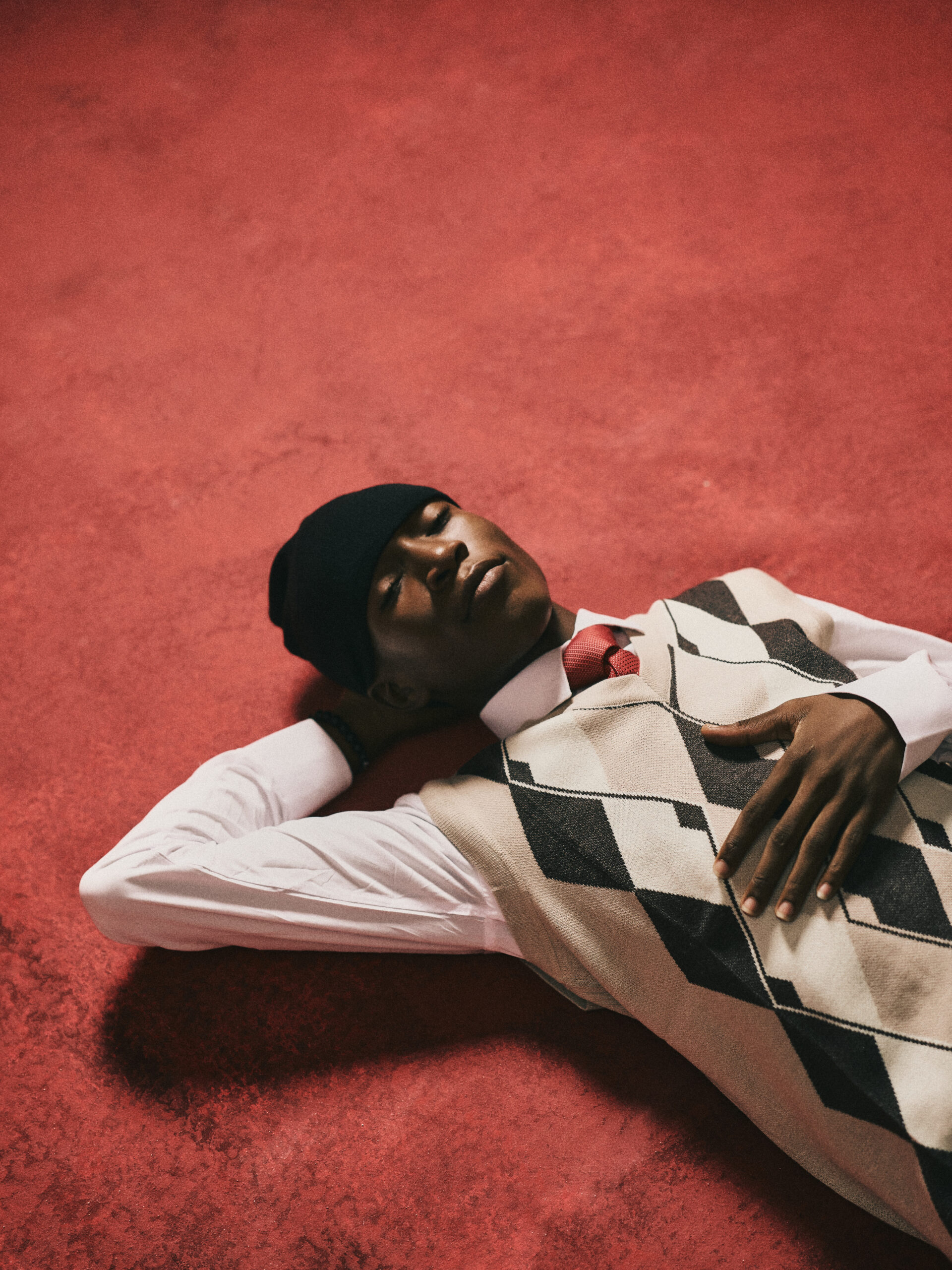
When looking toward the future, Abefe’s aspirations extend far beyond short-lived viral moments or transient chart placements. In discussions about his legacy, the artist emphasizes a desire for profound human connection. He hopes that listeners discovering his catalog years from now will not merely consume isolated hit songs, but will feel as though they have forged a personal relationship with him. By using his music as a canvas to document the facets of his personality that remain hidden from public view, he aims to offer a transparent chronicle of his philosophy on life and love.
On a commercial and infrastructural level, Abefe’s ambitions are equally towering. When asked to define a truly successful career, the emerging star points to a classic benchmark of global music dominance: the ability to headline and sell out London’s iconic O2 Arena with ease. Given the rapid pace at which African artists have internationalized their reach over the past five years—turning venues like the O2, Madison Square Garden, and Accor Arena into regular tour stops—such a goal is no longer a distant fantasy for rising Nigerian acts, but a calculated and achievable milestone.
Broader Impact on the Nigerian Creative Economy
The emergence of Abefe within the framework of initiatives like "BN On Our Radar" highlights the critical importance of localized media documentation in preserving the history of African pop culture. As digital platforms democratize fame, institutional support and critical analysis help contextualize the noise, separating fleeting internet sensations from enduring artists with long-term artistic vision.
By chronicling the formative stages of artists who are defining the next decade of African music, platforms ensure that the narrative of the continent’s creative renaissance is told from the perspective of its own cultural architects. For Abefe, the journey has only just begun, but with a rapidly expanding global audience, critical acclaim from industry peers, and a deeply authentic artistic identity, he stands well-positioned to leave an indelible mark on the global musical landscape.