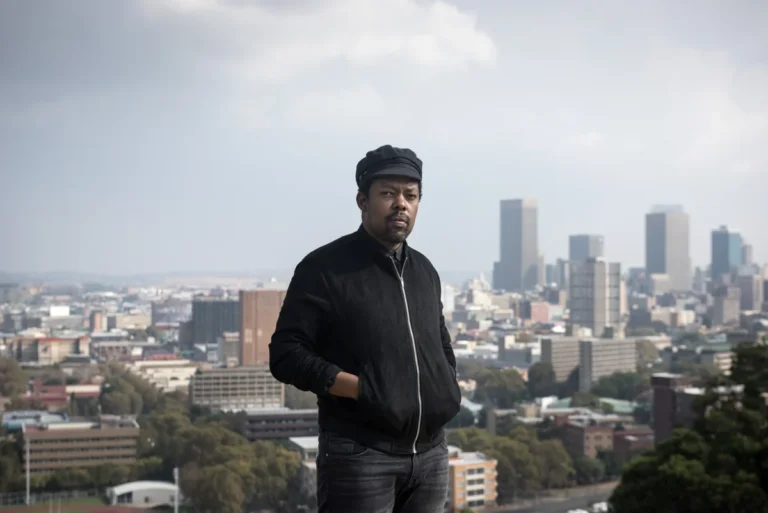
For South African artist, DJ, composer, and curator Mo Laudi, the act of listening is an inherently political and restorative endeavor. By blurring the lines between the high-energy environment of the electronic dancefloor and the contemplative silence of the contemporary art gallery, Laudi has carved a unique niche in the global music landscape. His work, which spans production, performance, and curatorial research, serves as a bridge between the historical scars of resource extraction and the vibrant, evolving identity of contemporary African music. His latest projects, including the composition Congo Square in D# Minor and his innovative remix of Sea Lion Woman, exemplify his commitment to using sound as a vessel for collective memory.
The Architect of Sonic Memory: A Multi-Disciplinary Practice
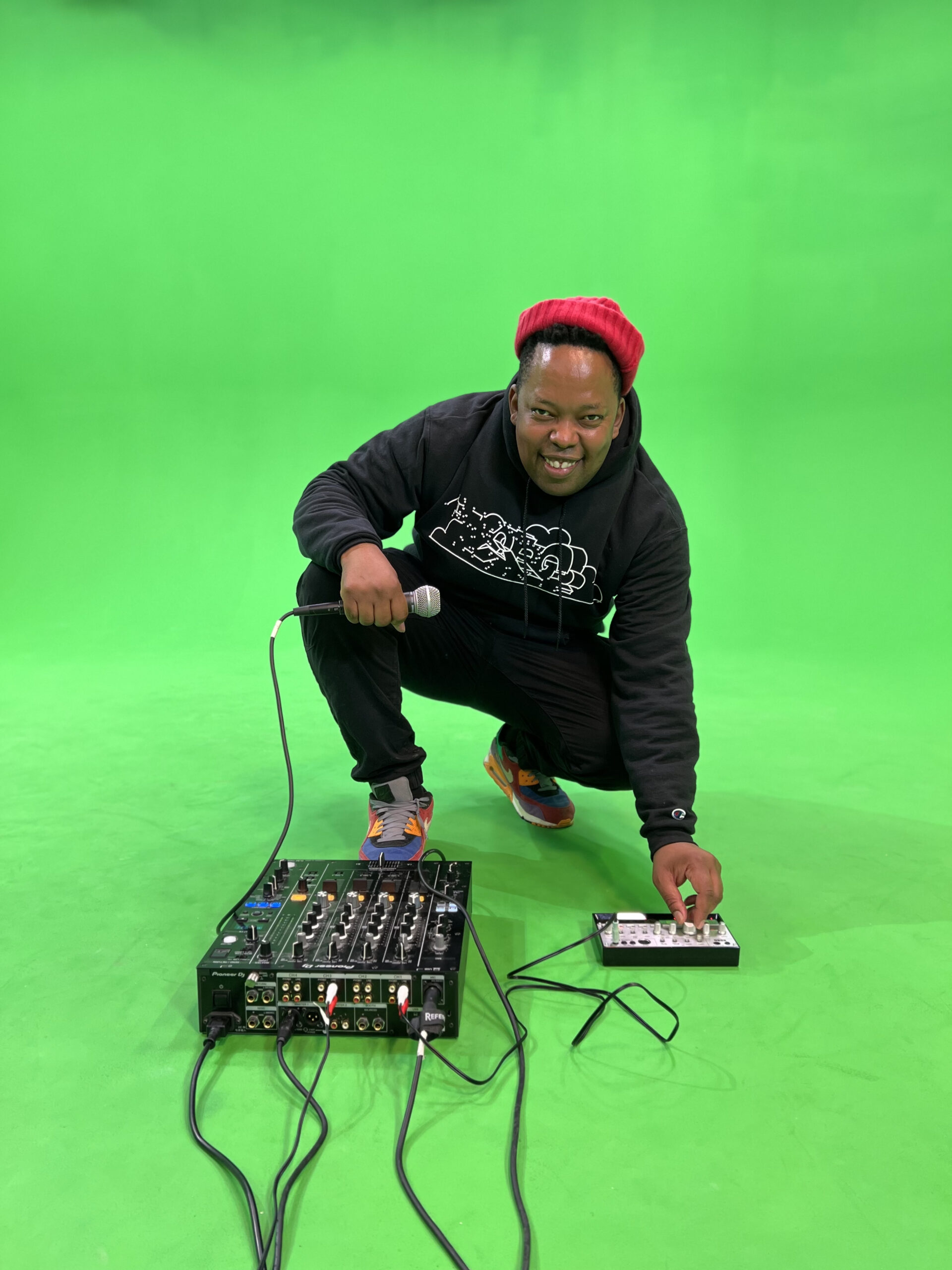
Mo Laudi’s creative methodology is rooted in what he describes as the “organization of attention.” In an era of hyper-fragmented media consumption, he challenges the traditional boundaries that silo music into distinct categories. To Laudi, the DJ booth, the recording studio, and the exhibition space are not disparate realms; they are different frequencies of the same conversation.
His approach to composition is archival in nature. When he produces, he is not merely creating tracks for consumption but building soundscapes that demand engagement. As he notes, his role is to ensure that music serves as a medium for gathering, where the physical act of dancing functions as a form of social knowledge. Whether he is manipulating brass-band textures or layering polyrhythms typical of 3-step electronic music, his primary objective is to maintain the integrity of the cultural source material while facilitating a new, contemporary dialogue.
Chronology of a Sonic Journey: From Ga Molepo to Lagos
The foundations of Laudi’s sonic philosophy were laid long before he entered the international art circuit. Growing up in South Africa, his early sensory landscape was defined by the brass bands of the Ga Molepo Church and the Zion Christian Church (ZCC). These gatherings provided his first exposure to the power of repetition, communal movement, and the “call and response” structures that would later become the backbone of his electronic productions.
The following timeline highlights the key developmental stages of his career and recent output:
- Early Influence: Exposure to traditional Sotho music (dinaka/kiba) and the rhythmic intensity of church brass bands in South Africa.
- 2021: Commissioned by artist Sammy Baloji to produce Congo Square in D# Minor for the Johari – Brass Band project at the Grand Palais, Paris.
- 2026 (October): Participated in the FESTAC+50 research residency hosted by the African Artists’ Foundation in Lagos, Nigeria.
- 2026 (November): Presentation of his sound work at the Nsi: After the Harvest exhibition, exploring the socio-economic impact of land and labour.
- 2027 (Anticipated): Scheduled involvement in the Sharjah Biennial 17, marking a further expansion into international institutional art spaces.
Congo Square in D# Minor: An Inquiry into Resource Extraction
One of the most significant works in Laudi’s discography is Congo Square in D# Minor. Developed as a dialogue with Sammy Baloji’s sculptural work, the composition acts as a sonic audit of historical and economic exploitation. By integrating archival recordings of the Congo River with the distinct, mournful yet celebratory sounds of brass processions, Laudi addresses the uncomfortable reality of the provenance of musical instruments.
The piece poses a fundamental question: How do the materials extracted from African soil—often used to craft the very brass instruments that define Western and Southern African musical traditions—carry the trauma of their origin? Through this work, Laudi does not attempt to "solve" the history of colonialism, but rather invites the listener to confront these facts through resonance and rhythm. By placing these sounds in a modern D# Minor key, he effectively links the past to the present, making the history of extraction felt rather than merely observed.
Redefining the Remix: Sea Lion Woman
Laudi’s recent remix of Sea Lion Woman, originally interpreted by Kananayé, serves as a masterclass in cross-cultural synthesis. The original song, a staple of African-American musical heritage, is reimagined through the lens of South African Afro House and 3-step rhythms.
This project carries personal resonance for Laudi, whose discovery of the legendary Nina Simone—a pivotal figure in the history of the track—came via Lauryn Hill’s usage of the melody in the Fugees’ hit Ready or Not. By stripping back the track and re-centering it around a modern percussive framework, Laudi successfully bridges the gap between the mid-century American protest tradition and the contemporary African electronic scene. The result is a track that functions in a club setting while maintaining the vocal gravity of the original.
Data and Context: The Global Rise of Afro House
The interest in Mo Laudi’s work coincides with the unprecedented global surge of African electronic music. Data from streaming platforms and festival lineups over the last five years indicates a 300% increase in the consumption of Afro-influenced electronic sub-genres in markets outside of the African continent. However, this growth has prompted a critical debate regarding "cultural extraction."
Industry analysts and cultural critics have observed that while global demand for Afro House is at an all-time high, there is a mounting pressure for international platforms to respect the intellectual property and historical context of these sounds. Laudi is at the forefront of this movement, arguing that international success should not lead to the homogenization of African music. He advocates for:
- Authorship Transparency: Ensuring original creators and communities are credited.
- Historical Literacy: Encouraging producers to research the origins of the samples and rhythms they employ.
- Community-Centric Growth: Prioritizing local artistic ecosystems over market-driven trends that sanitize music for Western audiences.
The Philosophical Underpinnings: Globalisto
Central to Laudi’s practice is the concept of "Globalisto." This philosophical framework is not merely an artistic aesthetic but a social one. It concerns the ethics of hospitality, the maintenance of memory, and the creation of space. During his recent residency in Lagos for Nsi: After the Harvest, this philosophy was put into practice. The exhibition, which investigates the legacies of labor and land, served as a backdrop for Laudi to demonstrate that sound is a form of record-keeping.
Where written archives may omit the voices of laborers or the nuances of regional celebrations, Laudi argues that sound—specifically the "breath, accent, and groove" of a community—acts as a secondary, more visceral archive. His contribution to Nsi proved that by bringing these histories into a gallery space, the artist can disrupt the clinical nature of museum displays, forcing the public to engage with difficult truths through their own bodies and ears.
Future Implications and Institutional Recognition
As Mo Laudi prepares for the Sharjah Biennial 17 in 2027, the trajectory of his work suggests a shifting landscape for electronic artists. We are seeing a move away from the DJ as a mere provider of entertainment toward the artist-curator, who possesses the agency to shape the cultural discourse of an entire generation.
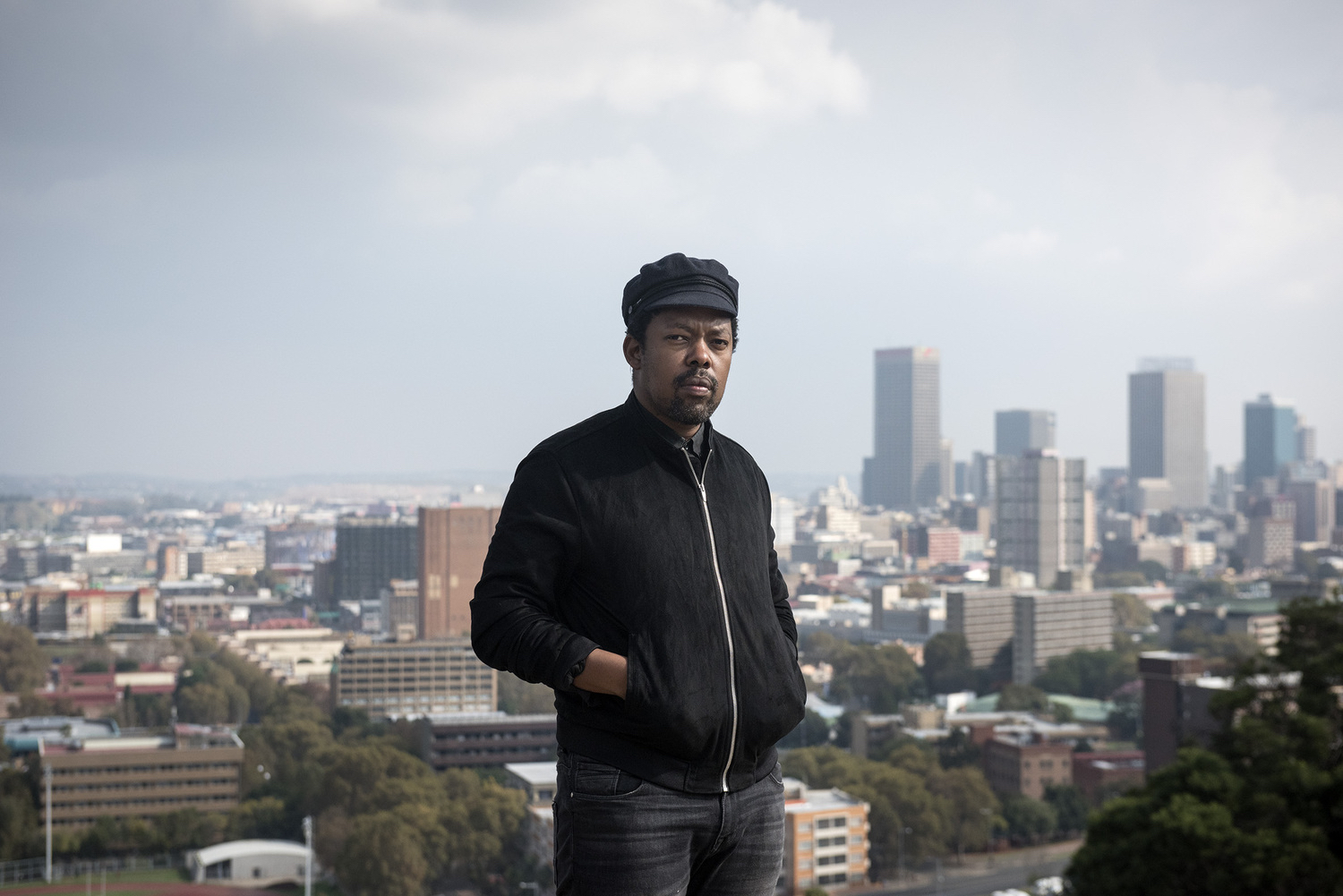
The implications of this shift are twofold. First, it provides a template for other artists to navigate the tensions between commercial viability and artistic integrity. Second, it challenges cultural institutions to rethink how they present music. If an exhibition on land and labor can be enhanced by a sonic installation, it suggests that the "silent museum" model is increasingly outdated.
Mo Laudi’s insistence that "experimentation is a continuation of knowledge" serves as a guiding light for his contemporaries. He remains an artist who refuses to be pinned down, constantly moving between the subterranean atmosphere of the club and the rigid halls of the art world. By doing so, he ensures that the stories of the communities that shaped his sound—from the churches of South Africa to the mining legacies of the Congo—are never left behind in the rush toward global recognition.
For listeners looking to engage with his work, his recent projects serve as an invitation to listen deeper. The music is, as he frequently posits, a way of making "relation." It is a testament to the idea that even as sound travels across borders, it can carry the memory of home with it, provided the artist is willing to listen to the history embedded in the beat.