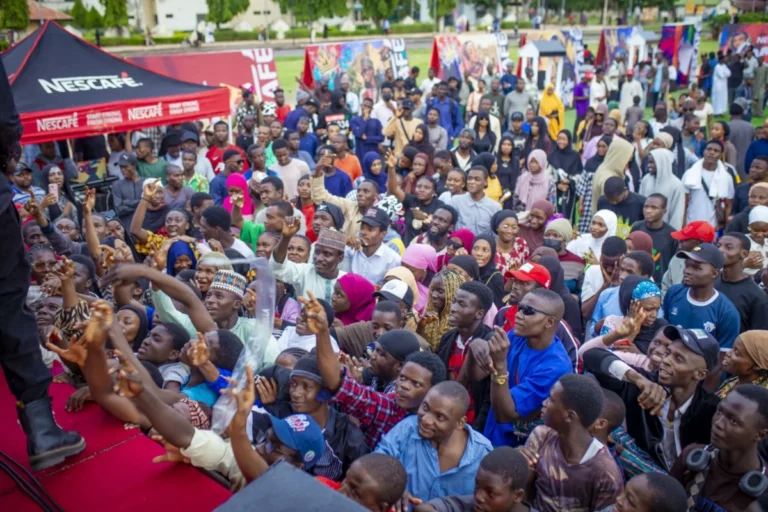
In a strategic move to foster youth engagement and promote individual self-actualization, Nestlé Nigeria has officially launched the latest iteration of its NESCAFÉ Campus Storm initiative. This year’s campaign, titled "My Coffee, My Vibe," is set to reach a massive demographic of over 260,000 students across 13 major universities in Nigeria. By integrating creative outlets with consumer interaction, the program aims to provide a structured environment where students can explore their passions in art, music, poetry, and entrepreneurship, effectively bridging the gap between corporate brand presence and the evolving needs of the Nigerian student population.
Context and Historical Background
The "My Coffee, My Vibe" campaign follows closely on the heels of the 2026 International Youth Day, observed globally on August 12. This year’s international theme, "Different Contexts, Common Aspirations," serves as the ideological backbone for the Campus Storm. For decades, Nestlé Nigeria has sought to align its brand strategy with the demographic realities of the region, recognizing that Nigeria possesses one of the world’s youngest and most vibrant populations.
The Campus Storm initiative is not a new venture but rather an evolution of long-standing corporate social responsibility and marketing efforts. By shifting the focus from purely transactional marketing to experiential engagement, the brand seeks to cement its relevance among Generation Z and younger Millennials who prioritize authentic connection and community involvement. Historically, such campus-based activations have been instrumental in building brand loyalty while simultaneously providing students with a respite from the rigors of academic life.
The Scope of the Engagement
The logistical scale of the 2026 campaign is substantial, covering 13 diverse university campuses. The selection of these institutions is indicative of a broader strategy to tap into the intellectual and creative hubs of the country. By providing an "Express Yourself" creative zone at each location, the campaign moves beyond simple product sampling to create a physical space for artistic manifestation.
These zones serve as central hubs for various activities, including:
- Creative Workshops: Dedicated areas for students to experiment with visual arts, poetry, and spoken word.
- Technological Integration: Opportunities for digital content creation, allowing students to leverage social media to amplify their personal brands.
- Entertainment Programming: Live DJ sessions, musical performances, and interactive games designed to cultivate a festive, communal atmosphere.
- Incentive Programs: A series of raffle draws, giveaways, and performance-based prizes aimed at addressing the daily financial and material needs of the student body.
Official Perspectives and Corporate Strategy
Jean Pierre Duplan, the Category Lead for Coffee at Nestlé Nigeria Plc, has emphasized that the initiative is rooted in a deep understanding of the Nigerian socio-economic climate. During the campaign launch, Duplan highlighted that the university years represent a critical developmental stage—a transitionary period where young adults define their professional trajectories and personal identities.
"Nigeria has one of the youngest populations in the world, and young Nigerians are not only the consumers of today; they are the entrepreneurs, creatives, professionals, and leaders shaping the future of our country," Duplan stated. He further explained that the "My Coffee, My Vibe" narrative is designed to be a catalyst for this discovery process. By meeting students in their natural environment, Nestlé aims to move beyond the traditional "brand-to-consumer" relationship and foster a "brand-as-a-partner" dynamic, where the company supports the students’ broader goals of self-expression and professional development.
Chronology of Recent Brand Engagement
The current Campus Storm is the latest in a series of proactive consumer engagement strategies employed by Nestlé Nigeria. To understand the momentum behind this initiative, one must examine the brand’s recent performance in the Nigerian market:

- Late 2025/Early 2026: Preparatory research was conducted to identify the specific creative and economic challenges facing Nigerian undergraduates, leading to the design of the current campaign.
- August 12, 2026: Official commencement of the awareness phase, timed to coincide with International Youth Day to maximize cultural impact.
- Late August 2026: Launch of the first wave of the "My Coffee, My Vibe" activations at the initial set of the 13 universities.
- Ongoing (2026): Sequential rollout of the Campus Storm across the remaining identified institutions, with a focus on providing tangible support, such as tools of trade and business masterclasses, which were successfully piloted in the "NESCAFÉ Next Level Promotion."
The "Next Level Promotion," which concluded earlier this year, serves as a proof of concept for the current campaign. That initiative successfully engaged over 40,000 consumers, providing them with tangible rewards including airtime, cash prizes, and, perhaps most importantly, access to business-oriented masterclasses. The decision to expand these developmental offerings into the campus environment suggests that Nestlé has identified a high return on investment in the form of "brand equity" and "consumer loyalty" when it offers real-world utility to its audience.
Broader Impact and Economic Implications
The economic impact of initiatives like the Campus Storm is multifaceted. Firstly, by providing platforms for students to showcase their creative work, the program offers a low-stakes environment for young professionals to test their skills in event management, marketing, and performance.
Secondly, there is a clear focus on entrepreneurial empowerment. By including "tools of trade" and access to professional masterclasses, Nestlé is effectively acting as a bridge between the academic theory taught in universities and the practical realities of the Nigerian startup ecosystem. In a country where youth unemployment remains a significant macro-economic concern, any corporate initiative that provides skills training or networking opportunities is often viewed as a positive contribution to the national development agenda.
From an analytical standpoint, the campaign demonstrates a sophisticated understanding of "psychographic marketing." Instead of relying on broad-spectrum advertising, the company is segmenting its audience by lifestyle, interests, and geographical location (universities). This allows for a more efficient allocation of resources and a higher likelihood of long-term brand conversion.
Analysis of the "My Coffee, My Vibe" Strategy
The success of the "My Coffee, My Vibe" campaign will likely be measured by more than just the volume of coffee consumed. Metrics such as social media engagement, participation rates in the "Express Yourself" zones, and the sustained growth of the brand’s community influence will be key performance indicators.
The strategy highlights a broader shift in the FMCG (Fast-Moving Consumer Goods) sector in Nigeria. Major players are increasingly pivoting away from traditional media and toward experiential marketing. This trend is driven by the fact that the Nigerian youth demographic is highly connected, digitally savvy, and skeptical of traditional corporate messaging. By creating an experience that provides tangible value—whether through entertainment, networking, or material rewards—the brand lowers the barrier to entry for the consumer, allowing for a more authentic relationship.
Challenges and Future Considerations
While the initiative is ambitious, it does not come without challenges. Operating across 13 different universities requires complex logistics, especially in a country with diverse regional dynamics. Ensuring that the "vibe" remains consistent across different cultural and academic environments will be the primary test for the activation teams. Furthermore, the longevity of the impact will depend on whether the connections made during these events can be sustained through digital channels after the "storm" has passed.
However, the precedent set by the "Next Level Promotion" suggests that Nestlé is prepared for the operational demands of such a large-scale project. By positioning itself as a supporter of the "common aspirations" of Nigerian youth, the company is effectively insulating itself against market volatility and building a loyal customer base that views the brand as an ally in their personal and professional growth.
Conclusion
The NESCAFÉ Campus Storm represents a significant investment in the human capital of Nigeria’s student population. By integrating cultural engagement with corporate social responsibility, the "My Coffee, My Vibe" campaign addresses the need for creative and professional outlets in an increasingly competitive environment. As the initiative continues its progress through the 13 selected universities, it serves as a case study for how global brands can successfully localize their operations to resonate with the specific, evolving, and ambitious demographic of the Nigerian youth. Whether through the lens of economic empowerment or simple community engagement, the program is a notable development in the landscape of Nigerian corporate-student relations for the remainder of 2026.




