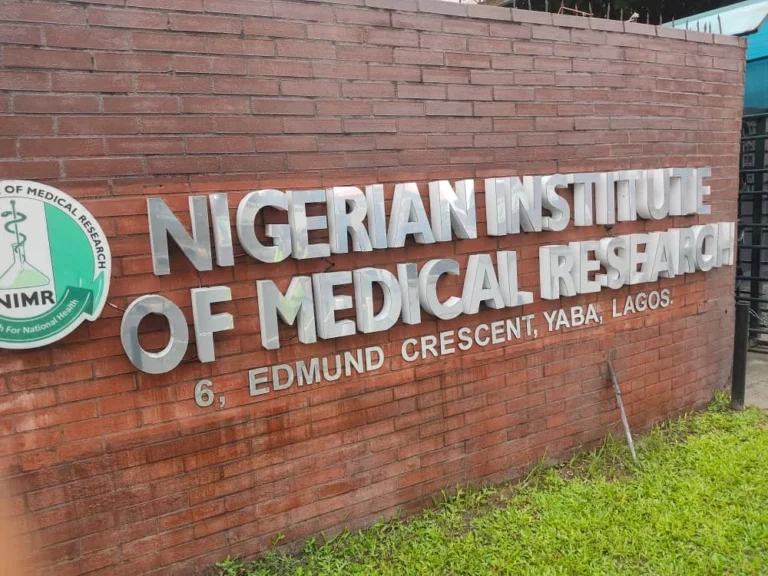
The management of the Nigerian Institute of Medical Research (NIMR) has officially attributed the ongoing industrial action initiated by the Academic Staff Union of Research Institutions (ASURI) to the federal government’s enforcement of an eight-year tenure policy for directors. While the strike has created a palpable sense of tension within the nation’s premier medical research gateway, the institute’s leadership has moved to reassure the public and the international scientific community that core operations, including critical laboratory services and clinical consultations, remain uninterrupted.
The industrial dispute centers on a fundamental disagreement regarding the application of the Public Service Rules (2021) to research and academic staff. According to Sam Eferaro, a media consultant to NIMR who spoke extensively on the matter, the strike was declared exclusively by ASURI members. He emphasized that the industrial action is a direct protest against a federal directive that mandates the retirement of directors who have served eight years in that rank, a policy that the union argues should not apply to the academic cadre of research institutions.
The Status of Operations at NIMR
Despite the withdrawal of services by ASURI members, the NIMR management has maintained a stance of operational continuity. The institute serves as a backbone for Nigeria’s public health infrastructure, particularly in the surveillance and diagnosis of infectious diseases. Mr. Eferaro clarified that other prominent unions within the institute—including the Non-Academic Staff Union of Educational and Associated Institutions (NASU) and the Senior Staff Association of Universities, Teaching Hospitals, Research Institutes and Associated Institutions (SSAUTHRIAI)—have not joined the strike.
"Other unions within the Institute are not involved, and there has been no disruption to core activities," Eferaro stated. This distinction is crucial for the thousands of patients and researchers who rely on the institute’s specialized facilities. Specifically, the management confirmed that the Tuberculosis (TB) Laboratory, the Central Laboratory, the Centre for Human Viral Genome, and the Biobank remain fully functional. Furthermore, the NIMR clinic, which provides essential healthcare services to the Yaba community and beyond, continues to attend to patients.
The maintenance of these services is vital. The NIMR Biobank, for instance, houses critical biological samples necessary for ongoing genomic research, while the TB Laboratory is a World Health Organization (WHO) recognized center of excellence. Any prolonged shutdown of these facilities could have significant implications for Nigeria’s national health security and its ability to respond to emerging biological threats.
Understanding the Eight-Year Tenure Policy
At the heart of the crisis is Rule 020909 of the Public Service Rules (PSR) 2021. This regulation mandates that directors in the federal public service must retire after serving eight years in that rank, regardless of whether they have reached the mandatory retirement age of 60 or 35 years of service. The policy was designed by the Office of the Head of the Civil Service of the Federation (OHCSF) to address "career stagnation" within the civil service, ensuring that lower-level officers have the opportunity to rise to the peak of their careers.
However, the implementation of this rule has been a point of contention across various government agencies. In the context of NIMR, the management argues that as a federal agency, it lacks the autonomy to pick and choose which civil service rules to follow. "As an agency of the federal government, NIMR does not determine policy independently. It is mandated to implement directives issued by the government," Eferaro explained.
The controversy was further ignited by recent circulars from the Federal Ministry of Health and Social Welfare, which instructed heads of health institutions to enforce the immediate disengagement of affected officers. These directives also included instructions to recover any salaries paid to such officers beyond their stipulated exit dates, adding a layer of financial urgency to the administrative enforcement.
ASURI’s Rejection and the Academic Exception Argument
ASURI’s opposition to the policy is rooted in the unique nature of research and academic work. The union contends that researchers should be governed by the "Conditions of Service for Federal Research and Development Agencies, Institutes and Colleges" (COSREDI), rather than the general Public Service Rules. ASURI argues that research directors are first and foremost academics, and as such, their retirement should be based on age—specifically 65 years—rather than tenure in a specific rank.
In a strike notice issued to the NIMR management, the union accused the leadership of violating existing conditions of service and ignoring what they described as "prior agreements and ministerial interventions" that supposedly exempted academic staff from the tenure rule. The union further escalated the situation by declaring an indefinite strike and picketing the institute, citing the "illegal termination" of its members’ appointments as a primary grievance.
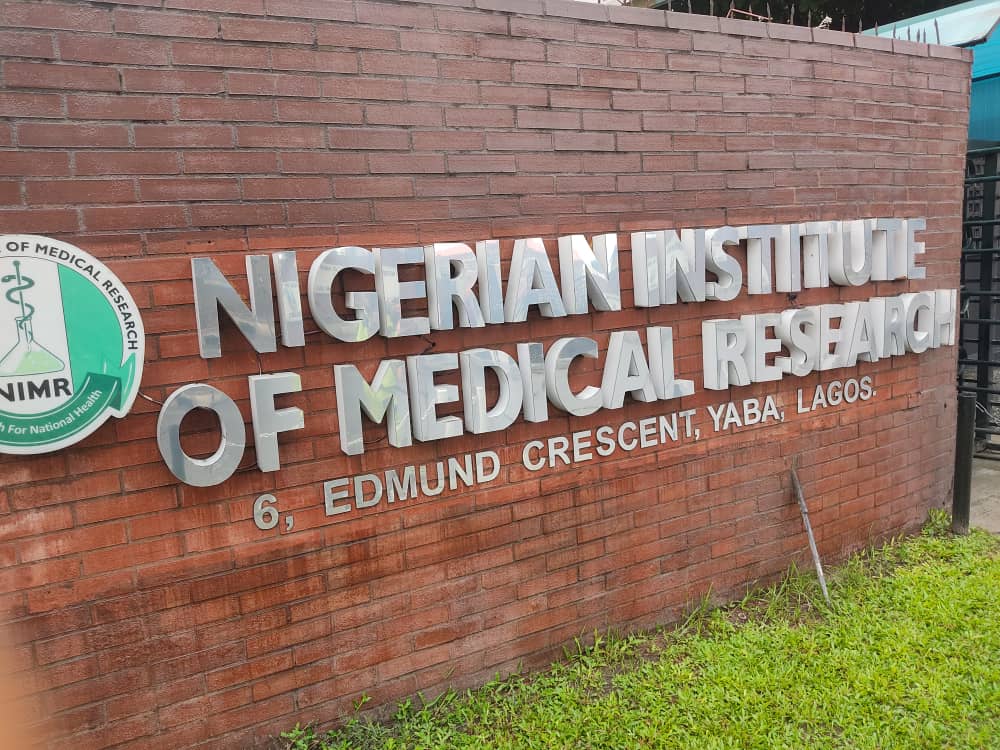
Responding to these allegations, the NIMR management stated it has no record of any valid exemption for academic staff regarding the 2021 PSR. Mr. Eferaro noted that the logic of the union’s claim falls short when considering recent government actions. "It would be logical to conclude that if there was any prior agreement, the same federal government and Ministry would not have issued the directives about six weeks ago," he remarked.
Chronology of the Dispute
The tension between the federal government and research unions over tenure has been brewing for several years. Below is a timeline of the events leading to the current industrial action:
- 2021: The federal government releases the revised Public Service Rules, reintroducing the eight-year tenure limit for directors (Rule 020909) to curb stagnation.
- July 2023: The Office of the Head of the Civil Service of the Federation issues a circular reiterating that the tenure policy remains in force across all Ministries, Departments, and Agencies (MDAs).
- Late 2023 – Early 2024: Various unions, including ASURI, begin lobbying the government for exemptions, citing the specialized nature of research work and the need for continuity in long-term scientific projects.
- October/November 2024: The Federal Ministry of Health and Social Welfare issues a specific directive to health-related research institutes, including NIMR, to enforce the retirement of directors who have completed their eight-year tenure by December 2025.
- December 2024: NIMR management begins the process of notifying affected officers and halting salary payments in compliance with the Ministry’s directive.
- January 2025: ASURI declares an indefinite strike and commences picketing at the NIMR campus in Yaba, Lagos, leading to the current standoff.
Broader Implications for Nigerian Research
The strike at NIMR is not an isolated incident but reflects a broader systemic struggle within Nigeria’s research ecosystem. The enforcement of the tenure policy comes at a time when Nigeria is striving to bolster its domestic research capabilities to combat drug-resistant infections, viral outbreaks, and the rising burden of non-communicable diseases.
From a policy perspective, the government views the tenure limit as a tool for administrative reform and modernization. By rotating leadership, the government aims to bring in fresh perspectives and prevent the "monopolization of power" within agencies. Conversely, the academic community views this as a "brain drain" of its most experienced scientists. In research, a director is often the lead investigator on multi-year, multi-million dollar international grants. Forcing such an individual to retire based on an administrative tenure rule rather than their scientific productivity could jeopardize international partnerships and the successful completion of vital studies.
Furthermore, the "illegal termination" claim by ASURI highlights a potential legal battle. If the courts were to find that the Conditions of Service for Research Institutes take precedence over the general Public Service Rules, the federal government could face significant liabilities in terms of back pay and damages.
The Path Toward Resolution
The NIMR management has indicated that while it must follow federal law, it remains open to dialogue. However, it has pointed out that the ultimate resolution lies with the federal authorities in Abuja rather than the local management in Lagos.
"Management will continue to appeal to the union, particularly at the national level, to engage constructively with the federal government," Eferaro said. He added that the supervising ministry—the Federal Ministry of Health and Social Welfare—is actively providing guidance on the matter to ensure that the dispute does not escalate into a total breakdown of services.
For now, the gates of NIMR remain open, and the hum of laboratory equipment continues, albeit under the shadow of union banners and picketing staff. The situation serves as a stark reminder of the delicate balance required between administrative governance and the specialized needs of the scientific community.
About the Institutions Involved
The Nigerian Institute of Medical Research (NIMR) is a federal government research institute under the supervision of the Federal Ministry of Health and Social Welfare. Established in 1977, it is the nation’s foremost biomedical research center. Its mandate includes conducting research into diseases of public health importance in Nigeria and developing structures for the dissemination of research findings.
The Academic Staff Union of Research Institutions (ASURI) is a registered trade union that represents the interests of academic and research staff across Nigeria’s federal research institutes. The union focuses on the protection of members’ welfare, the promotion of research funding, and the adherence to professional standards and conditions of service within the research sector.