Operatives of the Nigerian Navy have successfully recovered approximately 80,000 litres of stolen crude oil in two distinct anti-theft operations conducted within Delta State. The crackdown, which also featured a high-profile collaborative raid targeting illicit drug distribution networks, underscores the military’s renewed vigour in safeguarding the nation’s critical economic infrastructure and maintaining public safety along the restive maritime corridors of the Niger Delta.
The comprehensive details of these operations were made public through an official operational report issued by the Directorate of Naval Information in Abuja. Released by the Director of Naval Information, Captain Abiodun Folorunsho, the report outlines the strategic execution and tactical successes recorded under the auspices of Operation DELTA SENTINEL. By combining naval dominance in the creeks with strategic inter-agency intelligence sharing, the armed forces continue to apply pressure on syndicated criminal networks engaged in petroleum resource theft and narcotics trafficking.
Chronology of the Maritime Operations
The successful interception of the stolen petroleum products followed a meticulously planned intelligence-led surveillance campaign executed by personnel attached to the Nigerian Navy Ship (NNS) DELTA. The operational timeline highlights a relentless weekend campaign by naval assets deployed to curb economic sabotage in the region.
The first major breakthrough occurred on Saturday, September 21. Operating within the Oteghele general area of Delta State, naval operatives swept through dense terrain known for harboring illegal bunkering infrastructure. During the sweep, patrol teams uncovered a massive, clandestine dugout reservoir ingeniously concealed by perpetrators to store stolen hydrocarbons siphoned from nearby pipelines. A thorough assessment of the subterranean storage facility revealed an estimated 30,000 litres of illicitly acquired crude oil.
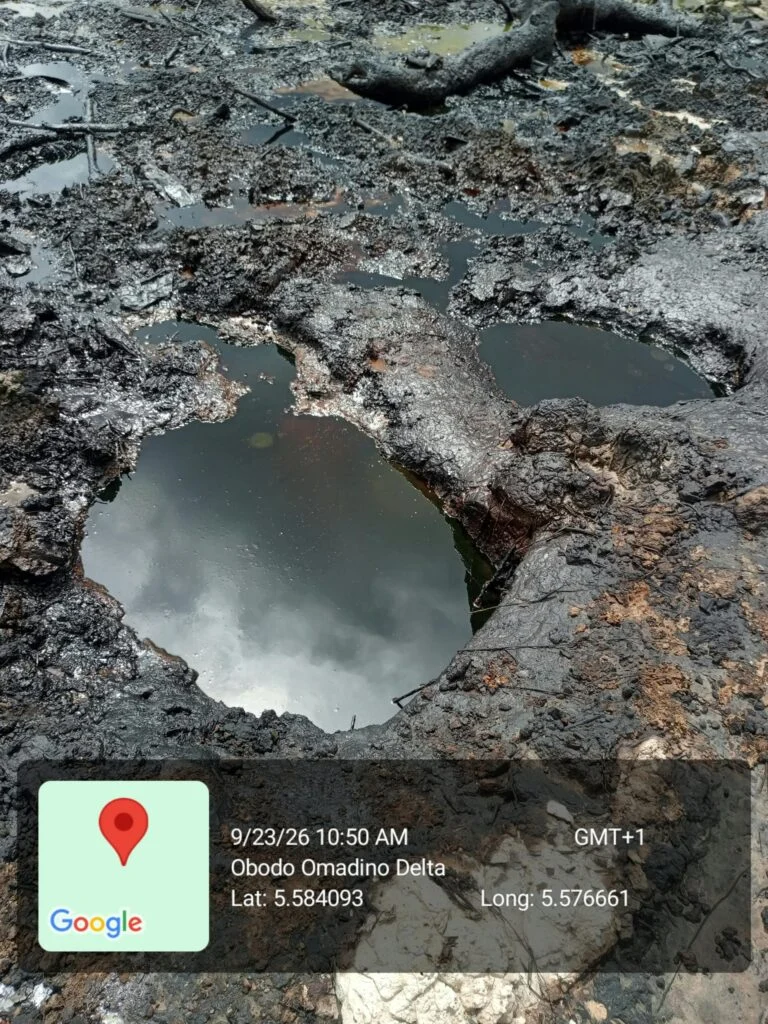
Less than forty-eight hours later, on Monday, September 23, the relentless momentum of Operation DELTA SENTINEL yielded another significant seizure. Acting on actionable intelligence regarding similar illegal refining and storage sites, NNS DELTA personnel deployed to the Obodo Amadino general area. Upon combing the difficult terrain, operatives discovered a second large dugout reservoir. This facility dwarfed the previous find, containing approximately 50,000 litres of crude oil.
In accordance with standard operating procedures and the guidelines governing the administration of recovered stolen national assets, the illicitly acquired petroleum products were managed systematically. Naval authorities confirmed that the contents of both reservoirs were handled following established protocols designed to prevent environmental degradation and ensure accountability in the chain of custody.
Joint Inter-Agency Collaboration Against Narcotics
Beyond the maritime domain and the protection of oil infrastructure, the Nigerian Navy has increasingly prioritized multi-agency synergy to dismantle auxiliary criminal enterprises that thrive alongside maritime crimes. On Sunday, September 22, positioned squarely between the two major crude oil recoveries, personnel from NNS DELTA executed a high-impact joint operation alongside operatives of the National Drug Law Enforcement Agency (NDLEA).
This targeted raid focused on suspected illicit drug manufacturing, storage, and distribution hubs within the bustling Warri general area. The synergy between military and paramilitary personnel proved highly effective, leading to the apprehension of three primary suspects allegedly linked to regional drug syndicates.
A thorough search of the premises yielded a substantial haul of prohibited substances. According to the operational briefing released by Captain Folorunsho, the joint task force seized approximately 15 kilograms of suspected Cannabis sativa, alongside critical quantities of hard synthetic drugs, including 0.5 grammes of cocaine and 0.5 grammes of methamphetamine, commonly known as crystal meth.
Recognizing jurisdictional boundaries and leveraging specialized expertise, the Nigerian Navy swiftly transferred the three detained suspects, alongside the recovered narcotics, to the custody of the NDLEA. This handover ensures that comprehensive forensic investigations and subsequent legal prosecutions will proceed without delay, reinforcing the rule of law.
Broader Context of Crude Oil Theft in the Niger Delta
To fully grasp the significance of the 80,000-litre recovery by NNS DELTA, it is essential to examine the pervasive and systemic challenge of crude oil theft—often referred to locally as bunkering—that has plagued Nigeria’s Niger Delta region for decades. Crude oil theft constitutes a multi-faceted crisis that drains the national treasury, triggers severe environmental devastation, and compromises national security.
Nigeria, traditionally Africa’s leading petroleum producer, has historically struggled to meet its Organization of the Petroleum Exporting Countries (OPEC) production quotas, primarily due to relentless pipeline vandalism, illegal hot-tapping, and artisanal refining. Syndicate networks utilize sophisticated methods, ranging from underwater hose connections to sprawling networks of illegal refineries nestled deep within the labyrinthine creeks and mangrove swamps of states like Delta, Rivers, Bayelsa, and Akwa Ibom.
The use of dugout reservoirs, such as those discovered in Oteghele and Obodo Amadino, represents a standard modus operandi for oil thieves. These earthen pits are excavated to temporarily store massive volumes of stolen crude before the product is either funneled into makeshift refining boilers to produce substandard diesel, kerosene, and kerosene alternatives, or transported via wooden boats to waiting vessels anchored in international waters.
The environmental cost of these operations is catastrophic. The process of artisanal refining releases toxic sludge, heavy metals, and unrefined hydrocarbons directly into local waterways, destroying aquatic ecosystems, decimating fishing industries, and rendering arable land infertile. Furthermore, the persistent soot pollution—frequently referred to locally as "soot" or black rain—has posed severe public health hazards to residents living in urban centers adjacent to the creeks, such as Warri and Port Harcourt.
Economic Implications and National Fiscal Recovery
The financial toll of crude oil theft on the Nigerian economy cannot be overstated. Billions of dollars in potential government revenue are lost annually, severely impacting national budgetary planning, foreign exchange reserves, and infrastructural development. Every litre of crude oil recovered or prevented from theft represents a direct contribution to national economic stabilization.
In response to the escalating economic sabotage, the federal government, in collaboration with security forces and private security contractors, has ramped up kinetic and non-kinetic measures. Initiatives like Operation DELTA SENTINEL and other sector-specific commands under the overarching architecture of Operation DERCK SANITY have been institutionalized to create a layered defense grid spanning the onshore, swamp, and offshore environments.
Military analysts note that the recent successes recorded by NNS DELTA reflect a strategic shift from purely reactive policing to proactive, intelligence-driven interdiction. By targeting the storage nodes—such as the dugout reservoirs in Oteghele and Obodo Amadino—the Navy disrupts the logistical chain, making it increasingly expensive and difficult for criminal syndicates to operate profitably.
The Imperative of Inter-Agency Cooperation
Captain Folorunsho’s post-operation assessment highlighted a critical cornerstone of modern internal security architecture: inter-agency cooperation. The seamless execution of the joint raid with the NDLEA in Warri illustrates an evolving recognition that maritime piracy, crude oil theft, arms proliferation, and illicit drug trafficking do not occur in isolation. Instead, they are frequently perpetrated by overlapping criminal cartels that use proceeds from one illicit activity to finance another.
Security experts have long advocated for integrated intelligence networks where the Nigerian Navy, the Nigerian Army, the Nigerian Air Force, the Department of State Services (DSS), the Nigeria Police Force, and specialized agencies like the NDLEA and the Economic and Financial Crimes Commission (EFCC) share real-time operational data.
When naval forces secure the waterways and creeks, they frequently stumble upon staging grounds utilized for arms smuggling and drug distribution. Conversely, intelligence gathered by anti-narcotics agencies can lead security forces directly to financial backers and logistics coordinators operating within urban enclaves adjacent to coastal facilities. The successful Warri operation serves as a blueprint for how cross-functional operational synergy can yield immediate, tangible results in dismantling complex criminal ecosystems.
Official Reactions and Public Perception
While direct statements from regional political leaders and community stakeholders are often measured, civil society organizations operating within the Niger Delta have expressed cautious optimism regarding the intensified naval patrols. Local community leaders frequently emphasize the need to balance aggressive military enforcement with socio-economic empowerment programs for youths residing in riverine communities, many of whom are exploited by criminal kingpins as manual laborers in illegal refineries.
Nevertheless, the prompt reporting of operational successes by the naval high command communicates a clear message of accountability and deterrence. By maintaining transparency regarding the quantities of products recovered and the suspects apprehended, the Nigerian Navy seeks to rebuild public trust and demonstrate its unwavering commitment to protecting national assets.
Future Outlook for Operation DELTA SENTINEL
As Operation DELTA SENTINEL continues to unfold across the Niger Delta theater, naval authorities have signaled that operations will remain sustained and uncompromising. The logistical challenges posed by the terrain—characterized by impassable thickets, vast tidal marshes, and intricate river networks—continue to test the resilience of naval personnel. However, the deployment of specialized gunboats, surveillance technology, and amphibious strike teams has significantly enhanced operational reach.
The recovery of the 80,000 litres of crude oil in Delta State, alongside the successful neutralization of a drug distribution ring in Warri, reinforces the reality that maritime security is inextricably linked to national survival. As the Nigerian Navy presses forward with its mandate, the focus remains firmly on choking off the supply lines of economic saboteurs, dismantling illicit trafficking rings, and restoring absolute security to the nation’s vital coastal frontiers.