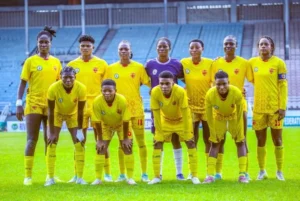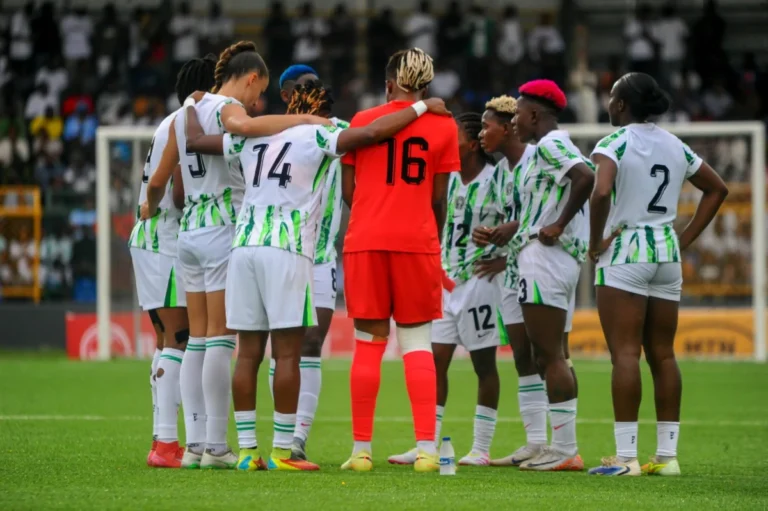
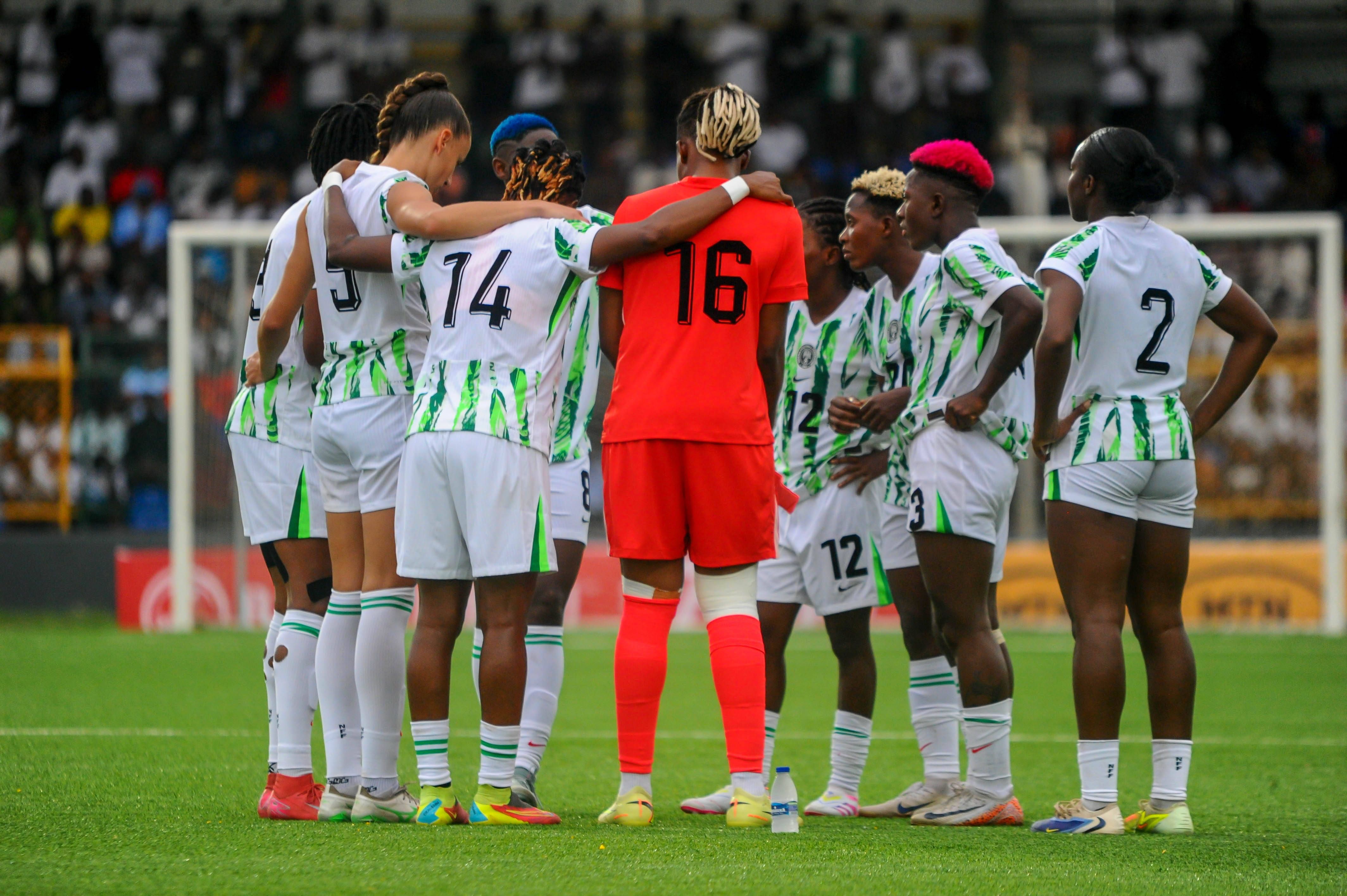
The planned pre-2026 Women’s Africa Cup of Nations (WAFCON) friendly between Nigeria’s Super Falcons and Ghana’s Black Queens has been abruptly cancelled, prompting a swift rescheduling. In its place, the Super Falcons will now face Tanzania’s Twiga Stars in a crucial warm-up fixture, marking Nigeria’s final preparation match before the continental championship commences in Morocco on July 26. Tanzania has officially confirmed the fixture, underscoring its importance as both nations fine-tune their strategies for the highly anticipated WAFCON campaign. The last-minute change, confirmed by Tanzanian head coach Bakari Nyundo Shime and the Council of East and Central Africa Football Associations (CECAFA), provides both teams with a vital opportunity to test their mettle just days before the commencement of Africa’s premier women’s football tournament. While the Nigeria Football Federation (NFF) is yet to provide official details regarding the kickoff time and exact venue, this new friendly has become an indispensable component of the Super Falcons’ preparation following the unexpected collapse of their much-anticipated encounter with Ghana.
The Unforeseen Disruption: Ghana Friendly Collapses Amidst Player Availability Crisis
Nigeria had initially slated the highly anticipated "Jollof Derby" against Ghana for Saturday, July 18, at the Stade El Arbi Zaouli in Casablanca. This fixture was not just a friendly; it represented a significant symbolic clash between two of West Africa’s footballing powerhouses, often generating intense rivalry and passionate fan engagement. However, the match was ultimately called off due to severe squad availability issues that left head coach Justine Madugu facing a significant player deficit, rendering a competitive encounter unfeasible.
Reports emanating from the Super Falcons’ training camp painted a picture of logistical challenges. In the initial days of their training camp, approximately 12 players had arrived. However, subsequent updates indicated that the squad strength remained below the minimum requirement for a competitive match, with fewer than 16 players available. This shortfall was primarily attributed to the delayed release of several Nigerian internationals by their respective overseas clubs.
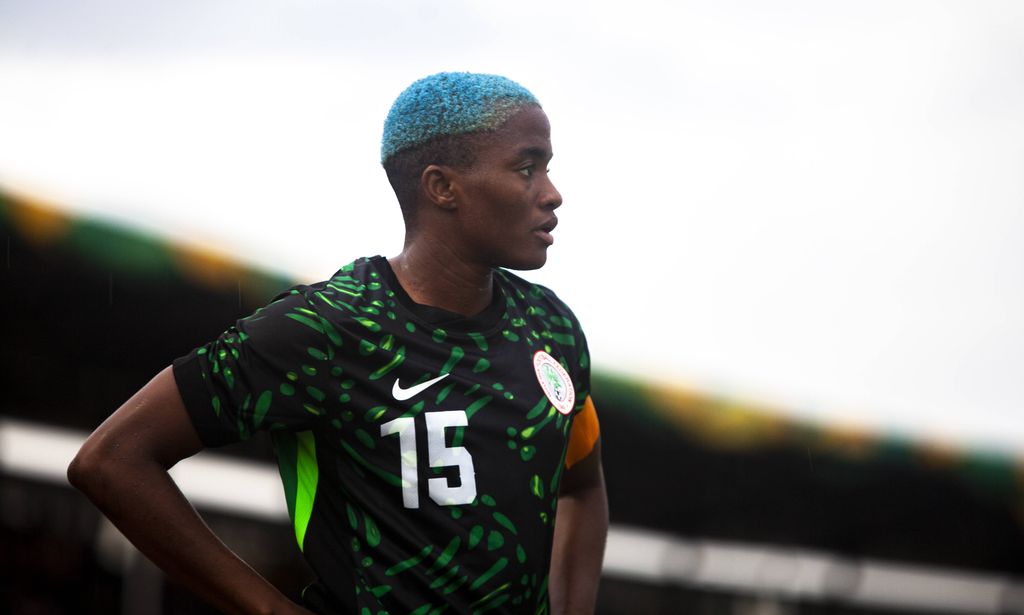
Under the established FIFA regulations for international tournaments, clubs are mandated to release players only six days prior to the official start of the competition. This regulation, while standard, often creates a bottleneck in preparation for national teams, particularly those with a significant number of players based abroad. Consequently, many key members of Nigeria’s squad joined the team camp later than originally anticipated, significantly disrupting the team’s meticulously planned preparation schedule. The disruption meant that crucial tactical sessions and team cohesion building exercises were compromised.
The official announcement of the cancellation came on Friday evening via the Super Falcons’ social media channels, a move that necessitated a swift and decisive response from the coaching staff to secure an alternative opponent. The scramble to find a replacement underscored the critical importance placed on having a final competitive outing before the rigors of the WAFCON tournament.
Tanzania Steps In: A New Opportunity for the Super Falcons
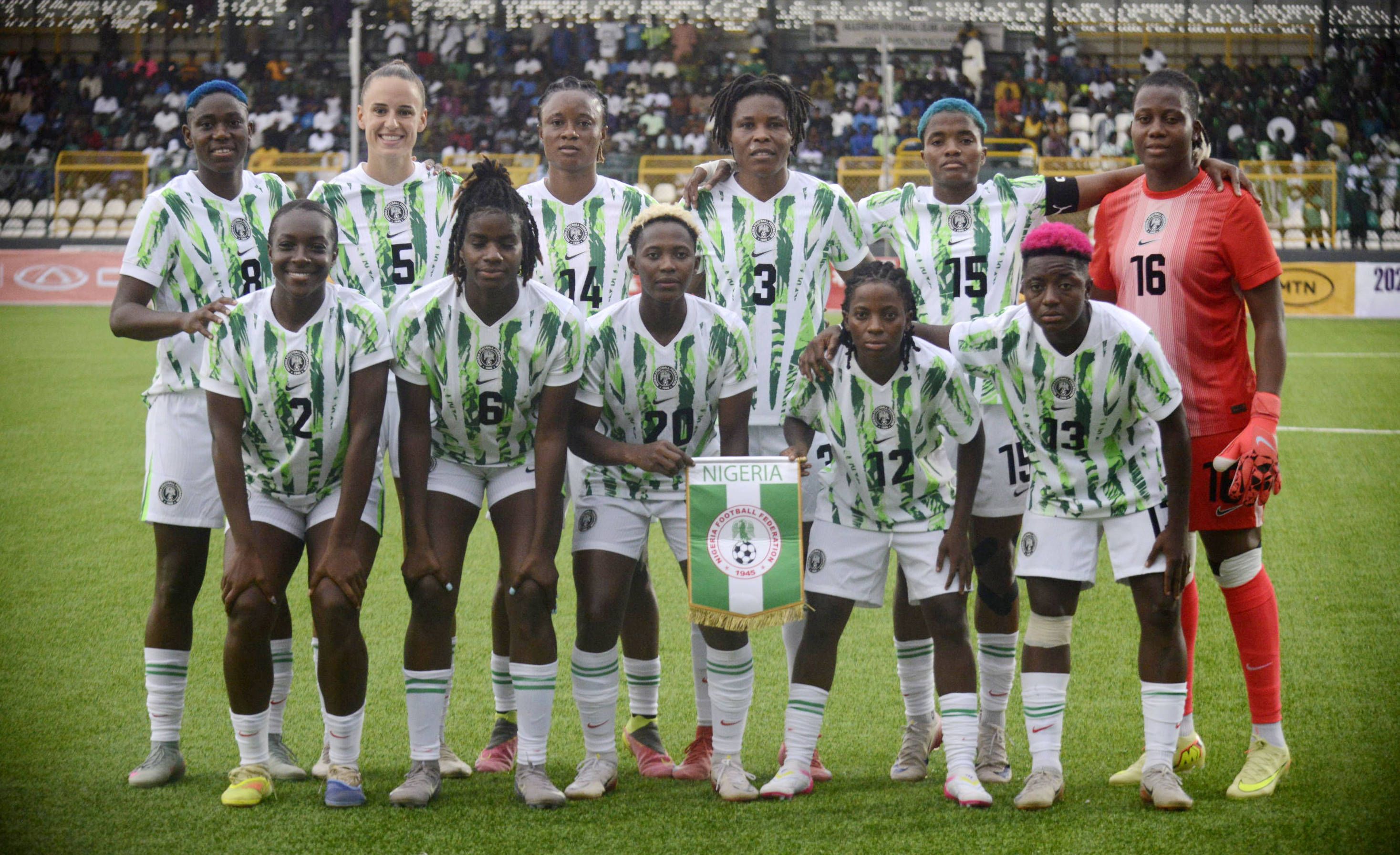
In a testament to the collaborative spirit within African football, Nigeria moved swiftly to secure Tanzania as a replacement opponent, ensuring that Coach Madugu would still have a valuable competitive fixture to assess his squad’s readiness. The Super Falcons’ squad boasts a formidable lineup of experienced stars poised to make significant contributions at WAFCON. This includes captain Rasheedat Ajibade, the six-time African Women’s Player of the Year Asisat Oshoala, and the highly dependable first-choice goalkeeper Chiamaka Nnadozie. The friendly against Tanzania offers a crucial platform to integrate these stars, refine tactical approaches, and foster stronger team chemistry ahead of a demanding group-stage campaign.
The significance of this match extends beyond mere preparation; it provides an opportunity to test the team’s resilience and adaptability in the face of unexpected changes, a valuable trait for any team aiming for continental glory. It allows the coaching staff to experiment with different formations, assess individual player performances under match conditions, and identify any lingering weaknesses that need to be addressed before the tournament begins.
WAFCON 2026: Context and Stakes for Nigeria and Tanzania
The Women’s Africa Cup of Nations (WAFCON) is the premier international women’s football competition for national teams in Africa, organized by the Confederation of African Football (CAF). The tournament serves as a crucial qualifier for the FIFA Women’s World Cup. The 2026 edition, hosted by Morocco, marks a significant expansion, moving to a 16-team format, a substantial increase from the previous 12-team structure. This expansion elevates the competition’s profile and intensifies the stakes for all participating nations.
For Nigeria’s Super Falcons, the WAFCON represents a quest for a record-extending title. The team, a perennial powerhouse in African women’s football, has lifted the trophy a record 11 times. Their dominance is a testament to the sustained investment and development of women’s football in the country. The Super Falcons are eager to reaffirm their continental supremacy and use WAFCON as a springboard for a strong performance at the subsequent FIFA Women’s World Cup.
Nigeria has been drawn into Group C, a challenging quartet that includes Malawi, Zambia, and Egypt. Their opening match is scheduled against Malawi on July 28 at the Al Madina Stadium in Rabat. This will be followed by a clash against Zambia on August 1, also at the Al Madina Stadium. The Super Falcons will conclude their group stage fixtures against Egypt on August 5 at the Olympic Stadium in Rabat. The new 16-team WAFCON format significantly amplifies the pressure on every group-stage match. Crucially, only the top two teams from each group will automatically qualify for the quarterfinals. Unlike previous editions, there will be no pathway for the best third-placed teams to advance, meaning every match carries immense weight.
Tanzania’s Twiga Stars also face a formidable challenge in Group B. They have been drawn alongside the formidable defending champions South Africa, the experienced Côte d’Ivoire, and Burkina Faso. Tanzania’s WAFCON journey begins with a highly anticipated encounter against South Africa’s Banyana Banyana on July 27, setting a demanding tone for their campaign. The Twiga Stars, while not as historically dominant as Nigeria, have shown steady improvement in African women’s football and will be looking to make a significant impact in this expanded tournament.
Broader Implications of the Fixture Change
The last-minute cancellation of the "Jollof Derby" and the subsequent arrangement with Tanzania highlights the dynamic and often unpredictable nature of international football preparations. While the disruption is regrettable, the Super Falcons’ ability to secure a replacement fixture underscores the NFF’s and the coaching staff’s proactive approach to ensuring the team is adequately prepared.
The friendly against Tanzania offers a unique insight into the tactical approaches of East African football and will provide valuable data for Coach Madugu. It allows for a final evaluation of player fitness, tactical execution, and team cohesion before the high-stakes environment of the WAFCON group stages. For Tanzania, the opportunity to test themselves against one of Africa’s elite teams is an invaluable learning experience that will undoubtedly benefit their WAFCON campaign.
The expanded WAFCON format, with its increased number of teams and the elimination of the best third-placed team route, promises a more competitive and exciting tournament. This shift necessitates a higher level of preparedness from all nations, making every friendly and training session critical. The Super Falcons’ journey, beginning with this rescheduled friendly, will be closely watched as they aim to extend their legacy as the dominant force in African women’s football. The Twiga Stars, too, will be looking to punch above their weight and make a statement on the continental stage. The Morocco 2026 WAFCON is poised to be a watershed moment for women’s football in Africa, showcasing the growing talent and competitive landscape of the sport.