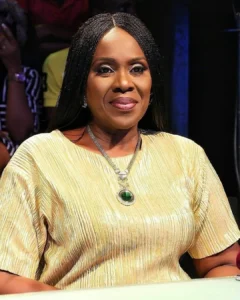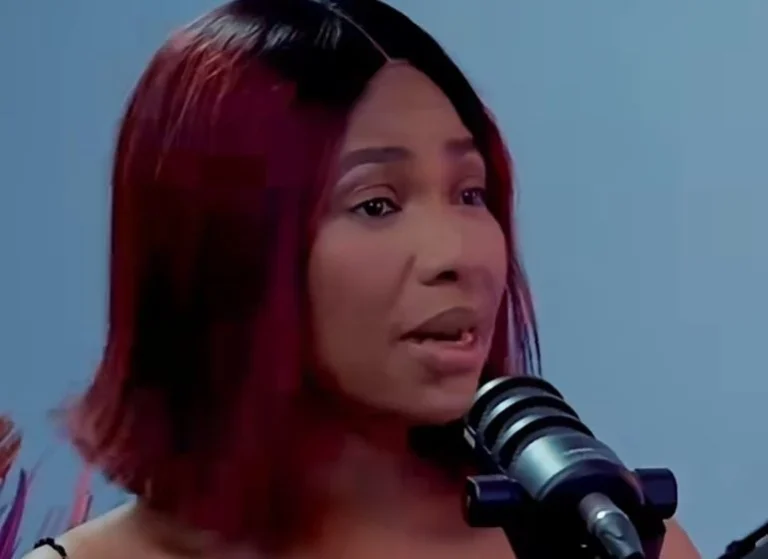
Nollywood actress Queen Temitope Oluwa has publicly addressed persistent rumors and pressures surrounding her marital status, asserting that she was a virgin at the time of her engagement. The actress, speaking on a recent episode of the Talk to B podcast, detailed the alleged campaign by her late brother-in-law to discredit her character and cast doubt on her purity before her husband. This revelation comes amidst a broader conversation about societal expectations and the intense scrutiny faced by public figures, particularly women in the entertainment industry.
Oluwa vehemently denied claims of a promiscuous lifestyle prior to her marriage. She pointed a finger at her late brother-in-law, whom she accused of fabricating stories and attempting to poison her husband’s perception of her. The actress recounted how the individual allegedly told her husband that she was a "Lagos Island babe," a colloquial term often used to imply a woman who is experienced or perhaps overly familiar with the nightlife and social scene, thereby suggesting a lack of chastity.
"When I got engaged, I was a virgin. Apparently, his brother told him that I fixed being a Lagos Island babe. That’s a lie," Oluwa stated during the podcast, directly refuting the accusations. She further elaborated on the personal impact of these rumors, expressing a stark, almost ironic, sentiment given the accuser’s demise. "Now, the brother is late. I would have asked him where I can fix it because I really need to fix it now. He said I couldn’t be a virgin and all," she added, highlighting the absurdity and hurt caused by the false narrative. The statement suggests a deep personal offense taken by the actress, who felt her integrity was unjustly attacked by someone close to her husband’s family.
The actress also shared a specific incident that underscored the alleged machinations of her late brother-in-law. During a visit to his home, Oluwa encountered a woman who bore a striking resemblance to her. This woman, along with Oluwa herself, posed for photographs with the brother-in-law. At the time, Oluwa perceived the woman as a family acquaintance. "There was a time that the brother called me to come and see him, and I went there. There was this other lady; she actually looked like me. We both took pictures with him. I thought she was family," she explained.
The situation took a more sinister turn when Oluwa discovered that the brother-in-law had subsequently sent these photographs to her husband. The accompanying message, she revealed, was a pointed and manipulative question: "What does Queen have that she doesn’t have?" This rhetorical question, framed by the visual of two women who looked alike, was clearly intended to sow discord and doubt in her husband’s mind about Oluwa’s fidelity or exclusivity. The implication was that if his wife was "fixable" or replaceable by someone who looked similar, it would diminish her unique value and potentially hint at infidelity or availability. This tactic, as described by Oluwa, aimed to leverage physical resemblance to create suspicion and undermine her character.
The Path to Marriage: Parental Influence and Personal Readiness
Beyond the personal attacks, Oluwa also shed light on the circumstances that led to her marriage, revealing that it was not a path she had actively pursued at that particular juncture in her life. She indicated that her parents played a significant role in encouraging the union, largely due to their existing trust and familiarity with her husband. "You know, I was never married, and I wasn’t ready to go. This was more of my parents’ thing. He is someone they know very well, and he also lives in the US," she explained.
This revelation offers a nuanced perspective on her marital journey, suggesting that external encouragement and familial approval were key drivers, rather than a personal urgency or readiness for marriage. Oluwa, who was around 22 or 23 years old at the time of these events, expressed her emotional turmoil stemming from this pressure. She admitted to crying during phone calls with her husband, as marriage was not aligned with her immediate aspirations or dreams. "I was like 22 or 23 during this incident. I would call him and cry because that wasn’t my plan or dream. I didn’t want to be married then," she confessed. This candid admission highlights the often-unseen pressures and internal conflicts that individuals, especially young women in the public eye, can experience when navigating personal life decisions under societal or familial expectations.
Societal Pressures and the Scrutiny of Female Celebrities
Queen Temitope Oluwa’s experience is not an isolated incident within the Nigerian entertainment landscape. Nollywood actresses, in particular, often face intense public scrutiny regarding their personal lives, including their marital status, relationships, and perceived sexual conduct. The societal expectation for women to marry and settle down by a certain age, coupled with the inherent voyeurism directed at celebrities, creates a fertile ground for rumors and gossip.
The narrative of a woman being labeled a "Lagos Island babe" or similar terms reflects a persistent societal tendency to police women’s sexuality and social behavior. Such labels are often used to devalue women and question their respectability, particularly when they are perceived as independent or outspoken. The fact that these rumors were allegedly spread by a family member of her husband adds a layer of familial betrayal and deliberate sabotage, suggesting a complex web of interpersonal dynamics at play.
The timing of her engagement, coupled with the alleged efforts to tarnish her image, raises questions about the motivations behind such actions. Was it an attempt to control the narrative surrounding her marriage, to exert influence over her husband, or simply a malicious act driven by personal animosity? Without further comment from other parties, these questions remain speculative, but the impact on Oluwa is clear: a need to publicly defend her character and reclaim her narrative.
The Role of Social Media and the Amplification of Rumors
In today’s digital age, social media platforms play a significant role in the dissemination of information, both factual and fabricated. Rumors, once confined to whispers and gossip, can now spread like wildfire across platforms like Instagram, Twitter, and Facebook, reaching a global audience within minutes. This can have a devastating impact on the reputation and mental well-being of the individuals targeted.
While Oluwa chose the Talk to B podcast as a platform to address these issues, the initial spread of such rumors likely occurred through less formal channels or perhaps on social media itself. The ease with which unverified claims can gain traction underscores the importance of responsible media consumption and the need for individuals to verify information before accepting it as truth. For public figures, this means constantly battling a barrage of speculation and misinformation.
Broader Implications for Public Figures and Personal Autonomy
Queen Temitope Oluwa’s courageous stance serves as a powerful reminder of the personal cost of fame and the ongoing struggle for personal autonomy faced by many, especially women in the public eye. Her insistence on her virginity at the time of her engagement is not merely a defense of her past but a reclamation of her right to define her own narrative and to be judged on her present character rather than on fabricated stories from her past or the past of others.
The incident also highlights the intricate dynamics of family relationships and the potential for internal conflicts to spill into the public sphere, particularly when they involve a prominent individual. The death of the alleged perpetrator, while preventing a direct confrontation, leaves a void where clarification could have been sought, leaving Oluwa to continue defending herself against posthumous accusations.
Ultimately, Oluwa’s interview is a testament to her resilience and her commitment to truth. By speaking out, she not only debunks the specific rumors that have plagued her but also contributes to a larger conversation about respect, privacy, and the right of individuals to control their own stories, free from malicious gossip and unfair judgment. Her experience underscores the need for greater empathy and understanding towards public figures, recognizing that behind the glitz and glamour, they are individuals navigating complex personal lives under intense public scrutiny. The journey of Queen Temitope Oluwa from facing unfounded accusations to asserting her truth is a significant moment in her public life, one that resonates with many who have experienced similar pressures and misinformation campaigns.