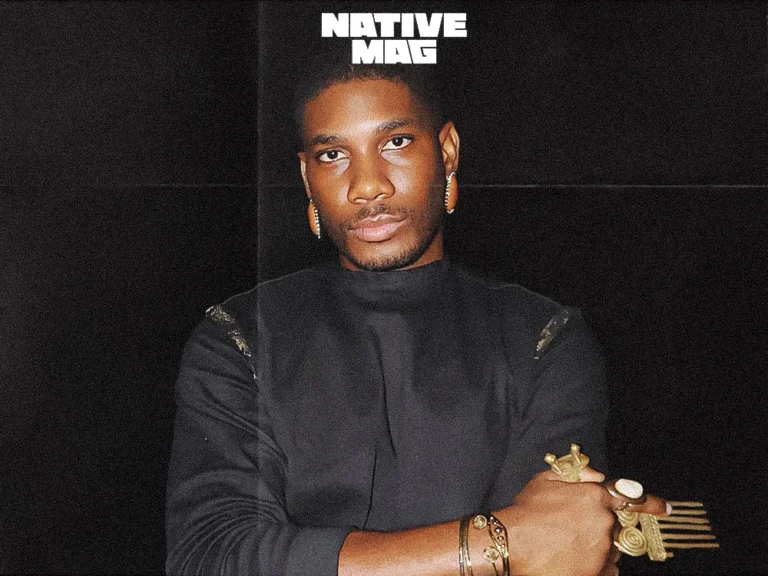
In the rapidly evolving landscape of contemporary African music, the artist known as Orch has emerged as a distinct voice, bridging the chasm between ancestral heritage and modern sonic innovation. His philosophy, which he terms “Afro-preference,” advocates for the prioritization of African cultural identity over the absorption of external, Western-centric influences. By anchoring his artistry in the soil of his heritage, Orch has cultivated a brand that transcends mere entertainment, positioning himself as a cultural custodian for a generation seeking to reconcile their traditional roots with a globalized world.
The emergence of Orch onto the regional scene follows a broader movement within the African creative industry, where artists are increasingly reclaiming narratives previously defined by external lenses. This trend, often characterized by the fusion of indigenous instrumentation with contemporary production, has become a hallmark of the modern African aesthetic. Orch’s trajectory, marked by a deliberate commitment to his lineage, represents a synthesis of this cultural reclamation and the structural evolution of the Afrobeat genre.
A Chronology of Artistic Development
Orch’s journey is defined by a series of deliberate choices that have shaped his professional evolution. Born in Nigeria, his early exposure to the foundational elements of his culture laid the groundwork for his eventual transition into music. His creative timeline is punctuated by significant milestones that highlight his progression from a regional performer to a recognized cultural force.
The early phase of his career saw him building a robust presence within the West African circuit, particularly in Ghana. During this period, he focused on honing his stagecraft, a process that would eventually lead to comparisons with legendary figures of the genre, such as Fela Kuti. While Orch notes that he was not initially a student of Kuti’s extensive discography, the organic reception from audiences who identified a shared spirit in his performances led him to conduct a deep study of Kuti’s work. This research extended to other international icons of musical expression, including Bob Marley, Bob Dylan, and Michael Jackson, broadening his understanding of how universal themes manifest across distinct geographic regions.
Recent years have seen an expansion of his footprint into Côte d’Ivoire. His performance in Abidjan marked a critical moment in his career, serving as his first major international show on the continent. This experience was deeply transformative, exposing him to the nuanced cultural appreciation of the Ivorian audience and further cementing his identity as a performer capable of navigating diverse West African musical landscapes.
The Philosophy of Afro-preference
At the core of Orch’s identity is the concept of “Afro-preference.” This is not merely a stylistic choice but a fundamental creative framework. It describes a conscious decision to center African heritage as the primary point of reference, allowing for the integration of foreign influences—whether from European, Asian, or other global traditions—only as secondary enhancements to an existing, sturdy core.
The implications of this philosophy are evident in his lyrical content and thematic focus. His tracks, such as “Oyibo Instructions,” serve as social commentary on the lingering effects of colonial mentalities. By utilizing the Oja, a traditional Igbo flute, he explicitly integrates indigenous soundscapes into modern arrangements to challenge narratives of cultural inferiority. This approach is consistent with the broader efforts of contemporary African intellectuals and artists who seek to define “modernity” on their own terms rather than through the binary of traditional versus progressive.
Technical Analysis and Production Methodology
Orch’s sound is characterized by a high-energy fusion of classic Afrobeat rhythms and contemporary production techniques. His collaboration with producers and collectives, such as his work with Parlour Tapes, illustrates a methodical approach to music creation. The production of his track “Smiling,” for instance, involved a deeply collaborative process that merged musical spontaneity with technical rigor.
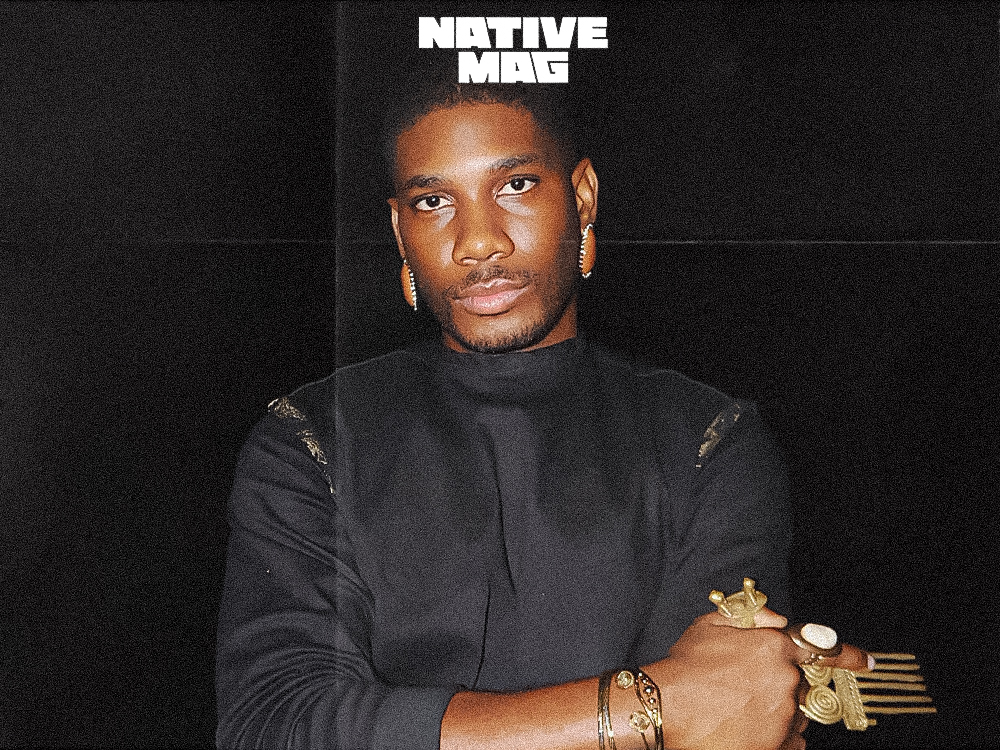
The recording of “Smiling” provides a window into his creative process. The track was conceptualized in a studio environment where the emotional resonance of the subject matter—his mother’s teachings and his responsibilities as a family patriarch—took precedence over purely commercial goals. The resulting sound is one of spiritual reflection, reinforced by rhythmic patterns that encourage communal movement.
From a musicological perspective, his reliance on “live” energy is noteworthy. In an era where digital synthesis often dominates, Orch’s emphasis on the “spirit” of the performance aligns him with the classic traditions of African live music. He describes his stage performances as being devoid of rehearsal in the traditional sense, preferring instead to enter a state of total surrender to the music, which observers have described as a near-trance state. This spontaneity is a calculated element of his brand, serving to differentiate him in a market saturated with highly produced, predictable live acts.
Socio-Cultural Impact and Audience Reception
Orch’s interaction with his audience is framed through the lens of “Mami Wata” and “Papa Wate,” terms that hold deep significance in West African lore. While these terms have historically been subject to superstitious interpretation or negative connotations, Orch’s usage serves as a tool for de-stigmatization. He encourages his fans to view these archetypes as symbols of self-discovery and a return to the “water child” identity, which he associates with fluidity and the natural world.
This approach reflects a growing trend in African pop culture where traditional motifs are being re-appropriated to serve as markers of pride rather than fear. By actively inviting his audience to participate in this reclaiming process, Orch is building more than a fanbase; he is fostering a community. This is evidenced by his ongoing efforts to engage with listeners through various platforms, including lyric videos and live sessions that bridge the gap between the studio and the street.
Economic and Strategic Implications
From an industry perspective, Orch represents the “independent-ascendant” model of the African music market. By maintaining a strong grip on his creative output and branding, he is able to dictate the pace of his growth without the immediate pressure of major-label homogenization. His focus on the gym, physical fitness, and family-oriented branding demonstrates a holistic view of the artist as a business entity, where personal discipline is a prerequisite for professional longevity.
The forthcoming release of “Fete” is expected to further explore the celebratory aspects of his cultural identity. If his previous work is any indicator, the track will likely maintain the high-energy, rhythmic complexity that has become his signature, while moving further away from the introspective sadness found in earlier works like “Wonder.” This shift suggests a strategic evolution: as he gains traction, he is moving from a phase of “foundational definition” to one of “cultural celebration.”
Conclusion: The Path Forward
The trajectory of Orch suggests that the future of African music lies in the successful negotiation of identity. As he continues to bridge the gap between his Nigerian roots, his influence in Ghana, and his expansion into the wider Francophone African market, he remains a pivotal figure to watch. His insistence that “Afro-preference” is a collective movement rather than a personal mission statement highlights his broader ambition: to shift the cultural paradigm for the next generation of African creators.
As the global appetite for African music continues to grow, artists like Orch, who prioritize substance and heritage, will play a crucial role in ensuring that the export of African culture remains authentic, resilient, and distinct. His journey from local stages to a broader, transnational influence is not just a personal success story; it is a case study in how to maintain an unwavering commitment to one’s core while navigating the complexities of the global music industry. Whether through the mournful introspection of his early tracks or the celebratory vigor of his upcoming projects, Orch is firmly established as a primary architect of the contemporary African sonic experience.