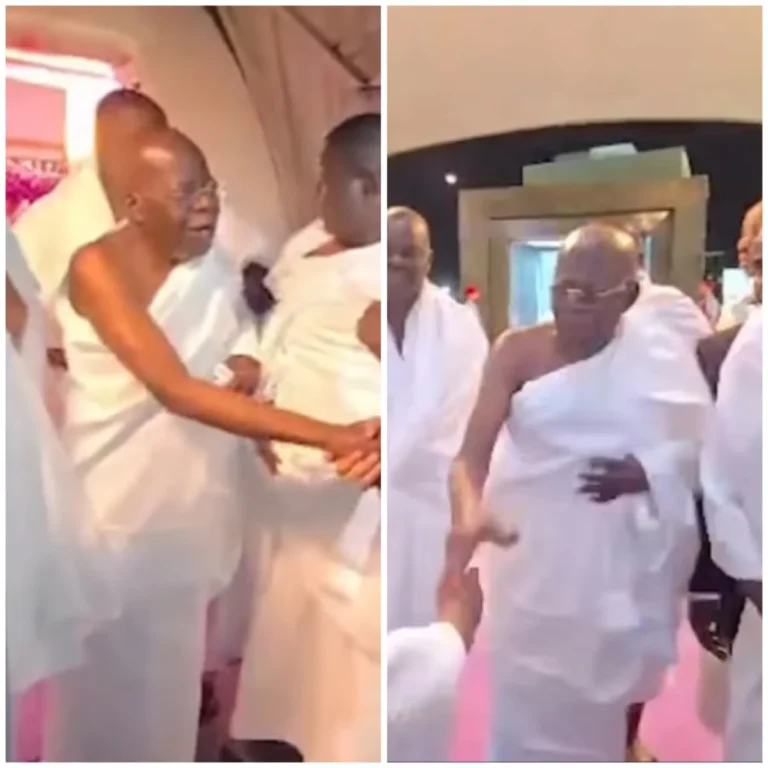
The President touched down in the Kingdom of Saudi Arabia on Thursday afternoon, departing from the Nnamdi Azikiwe International Airport in Abuja. Upon his arrival, he was officially welcomed by the Nigerian Ambassador to Saudi Arabia, Yakubu Gambo, alongside the Saudi Head of Royal Protocol, Ahmad bin Thafir. This visit marks a significant moment in the President’s schedule, blending the requirements of statecraft with personal religious observance. The Umrah, often referred to as the "minor pilgrimage," involves a series of spiritual rites performed at the Masjid al-Haram in Makkah, and it is a practice frequently undertaken by Muslim leaders globally as a period of reflection and supplication.
The Significance of the Pilgrimage in Nigerian Politics
For Nigerian leaders, visits to Saudi Arabia often serve a dual purpose: spiritual rejuvenation and quiet diplomacy. Historically, Nigerian Presidents have utilized such opportunities to engage with the Saudi monarchy and the Organization of Islamic Cooperation (OIC) leadership. While the current visit is framed primarily as a spiritual exercise, the proximity to the Saudi royal leadership offers a platform for discussing bilateral interests, particularly in the sectors of energy, agricultural investment, and labor migration.
The Presidency has emphasized that the primary objective of this trip is to seek divine guidance for the country’s current challenges. In a statement released shortly after his departure, the administration noted that the President intends to dedicate time to prayers for Nigeria’s peace, national unity, and long-term economic stability. By stepping away from the intense pressures of the Aso Rock Villa, the President is positioning this pilgrimage as a moment of national reflection, aimed at fostering a sense of collective purpose for a citizenry currently navigating complex socioeconomic reforms.
Chronology of the Diplomatic Engagement
The timeline of this visit began on Thursday morning when the President finalized his briefings with the Vice President and key security chiefs before departing for Abuja. The flight, which spanned several hours, was marked by standard diplomatic protocols.
- Thursday Morning: Final administrative handover and security briefings at the Presidential Villa.
- Thursday Afternoon: Official departure from Abuja.
- Thursday Evening: Arrival in the Kingdom of Saudi Arabia and formal reception by diplomatic officials.
- Friday and Beyond: Commencement of Umrah rites, including the Tawaf (circumambulation of the Kaaba) and the Sa’i (walking between the hills of Safa and Marwa).
- Next Week: Scheduled return to Nigeria to resume official duties.
This timeline is standard for high-level officials visiting the Kingdom, where protocol is strictly observed to ensure the President’s safety and the sanctity of the religious rites.
Supporting Data and Bilateral Context
Nigeria and Saudi Arabia have maintained robust diplomatic ties for decades, largely centered on trade, oil production, and the annual Hajj pilgrimage. Nigeria remains one of the largest contributors to the pilgrim quota during the Hajj season, and the Saudi government remains a key partner in Nigeria’s efforts to diversify its economy away from total dependence on crude oil.
Economic data suggests that Saudi Arabia’s Public Investment Fund (PIF) has been exploring opportunities within Africa’s emerging markets. With Nigeria’s ongoing initiatives to reform its foreign exchange market and attract foreign direct investment (FDI), the President’s presence in Riyadh—even during a spiritual visit—serves as a subtle signal of Nigeria’s openness to deeper financial cooperation. Saudi Arabia’s "Vision 2030" project, which seeks to modernize the Kingdom’s economy, aligns with several of Nigeria’s stated goals regarding infrastructure development and digital transformation.
Official Responses and Public Reaction
While the Presidency has maintained a focus on the spiritual aspects of the journey, analysts have noted the strategic importance of maintaining strong ties with the Gulf Cooperation Council (GCC) states. Spokespersons for the administration have reiterated that the President’s travel is fully aligned with his commitment to upholding Nigeria’s global standing while maintaining his personal religious obligations.
The public reaction in Nigeria remains varied, as is common with presidential travels. Some citizens have voiced support for the President’s seeking of spiritual guidance during a turbulent economic period, viewing it as a traditional and grounded approach to leadership. Others, particularly those concerned with the current cost-of-living crisis, have emphasized the need for a swift return and a focus on domestic policy implementation upon his arrival next week. However, the prevailing sentiment in government circles is that such visits are essential for strengthening the "soft power" that Nigeria enjoys within the Muslim world.
Broader Implications for National Stability
The implication of this trip extends beyond the religious rites. In the context of Nigeria’s current political climate, stability is the administration’s most prized objective. By performing prayers for national unity, the President is addressing a core concern: the fragmentation of political discourse and the urgent need for social cohesion.
Furthermore, the logistical aspects of this trip highlight the importance of the Nigerian Embassy in Riyadh. Ambassador Yakubu Gambo’s involvement underscores the continued efficacy of the diplomatic corps in facilitating high-level engagements. The Saudi government, by deploying the Head of Royal Protocol, has signaled that the bilateral relationship remains a high priority for the Kingdom.
As the President performs these rites, the domestic machinery of the Nigerian government continues to operate under the Vice President. This continuity of government is a test of the administrative systems established by the current leadership. The expectation is that upon his return next week, the President will be well-rested and prepared to tackle the final quarter of the year, which is typically characterized by budget preparations and end-of-year economic reviews.
Economic and Security Considerations
Security remains a paramount concern for the administration, and the Saudi government is one of Nigeria’s key partners in intelligence sharing regarding regional stability. Discussions held on the sidelines of such trips—often informal but highly significant—can lead to future security cooperation agreements that bolster Nigeria’s efforts against domestic insurgency.
From an economic standpoint, the stability of the global oil market remains a point of shared interest between Abuja and Riyadh. As both nations are significant players in the global energy landscape, maintaining a positive personal rapport between leadership is a staple of diplomatic realism. While no official trade agreements were announced as part of this itinerary, the mere presence of the President in the Saudi capital serves as an icebreaker for future ministerial-level trade delegations that are expected to follow in the coming months.
Conclusion: The Path Forward
The President’s arrival in Saudi Arabia marks a brief interlude in an otherwise demanding administrative schedule. As he engages in the spiritual rituals of Umrah, the nation looks toward his return with the hope that the period of reflection will translate into renewed vigor in policy execution. The coming week will be critical, as the President is expected to pivot back to the pressing domestic agenda, including the implementation of fiscal reforms and the management of security initiatives across the country.
For the observers of Nigerian politics, this journey is a reminder of the intersection between personal faith and the public office. It underscores the reality that a President’s schedule is never entirely personal; every move, even one intended for spiritual solace, is viewed through the lens of national governance. As the President prepares to return to Abuja, the focus will inevitably shift back to the tangible results of his tenure and the administration’s ability to steer Nigeria through its current phase of economic and social transition. With the rites of Umrah completed, the President will re-enter the sphere of intense public scrutiny, armed with the spiritual mandate he sought in the Holy City.