Ghanaian rap icon Sarkodie has concluded an impactful leg of his ongoing continental journey, describing Uganda as a magnificent discovery while issuing a passionate appeal for the preservation and revival of traditional African architectural heritage. The award-winning artist, known off-stage as Michael Owusu Addo, shared his reflections on Wednesday, November 11, following a series of high-profile cultural engagements in the East African nation that underscored his commitment to pan-African unity and artistic collaboration.
The visit to Uganda forms a central chapter of Sarkodie’s ambitious "African Diaries" tour, an initiative designed to foster cross-cultural dialogue and deepen interpersonal connections among African nations without the traditional pressures of commercial concert performances. Throughout his stay in Kampala and surrounding areas, the "Adonai" hitmaker immersed himself in the local heritage, engaging with traditional leadership, youth organizations, and cultural landmarks that highlight the depth of East African history.
Cultural Immersion and High-Level Engagements in Kampala
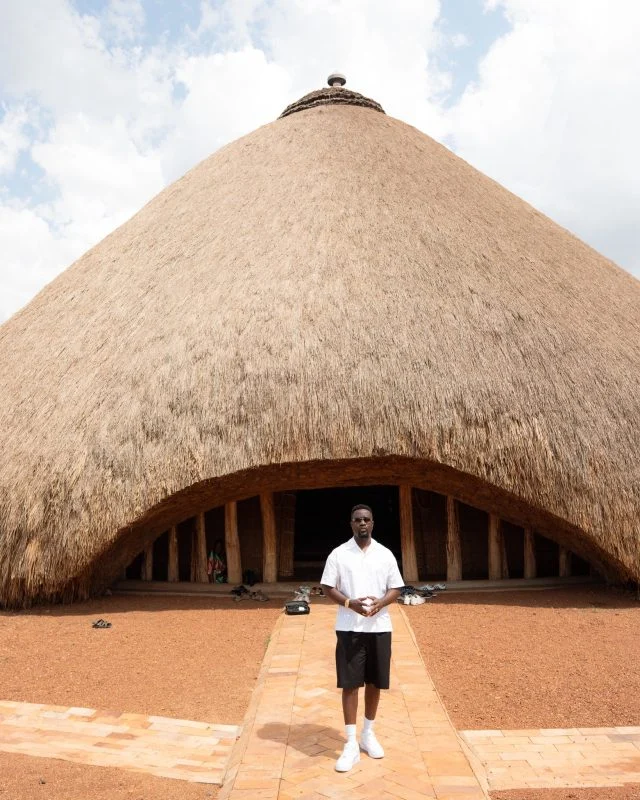
Sarkodie’s itinerary in Uganda was marked by deliberate interactions with both historical institutions and contemporary cultural drivers. Among his primary stops were the historic Mengo Palace, the official seat of the Buganda Kingdom, and the revered Kasubi Tombs, which serve as the burial grounds for the kings of Buganda and hold UNESCO
World Heritage status.
During his visit to Mengo Palace, the rapper had the distinct honor of meeting Princess Katrina Ssangalyambogo of the Buganda Kingdom. Describing the encounter alongside his interaction with Uganda’s globally celebrated youth dance collective, the Ghetto Kids, Sarkodie characterized the experiences as profoundly inspiring. He noted striking parallels between Ugandan and Ghanaian traditions, emphasizing that despite geographical distances, the shared cultural values reinforce a collective continental identity.
"Uganda, what a beautiful discovery!" Sarkodie shared via his official social media channels. "From Mengo Palace to the Kasubi Tombs, meeting the Princess of Buganda and the incredible Ghetto Kids, it’s been a truly inspiring experience. Rich culture, beautiful heritage, and so many similarities with Ghana. Different lands, one African soul!"
The connection with the Ghetto Kids—a dance group that has achieved international acclaim for their resilience, vibrant energy, and viral performances—added a contemporary grassroots dimension to the visit. The meeting highlighted the unifying power of music and dance across West and East Africa, bridging generational and regional divides through artistic expression.
Architectural Reflections: A Call to Revisit Indigenous Design
Beyond cultural diplomacy, Sarkodie’s exploration of ancient Ugandan landmarks sparked a broader philosophical critique regarding modern urban development across the continent. Minutes before releasing his visual diaries from the Kasubi Tombs, the musician published a contemplative statement urging African nations to re-evaluate contemporary construction trends in favor of sustainable, authentic indigenous architecture.
"I think we need to go back to authentic African architecture," Sarkodie wrote. "Seeing beautiful structures built centuries ago, still standing strong and looking far more beautiful than many of the modern buildings we put up today, is a real wake-up call. Somewhere along the way, we lost it."
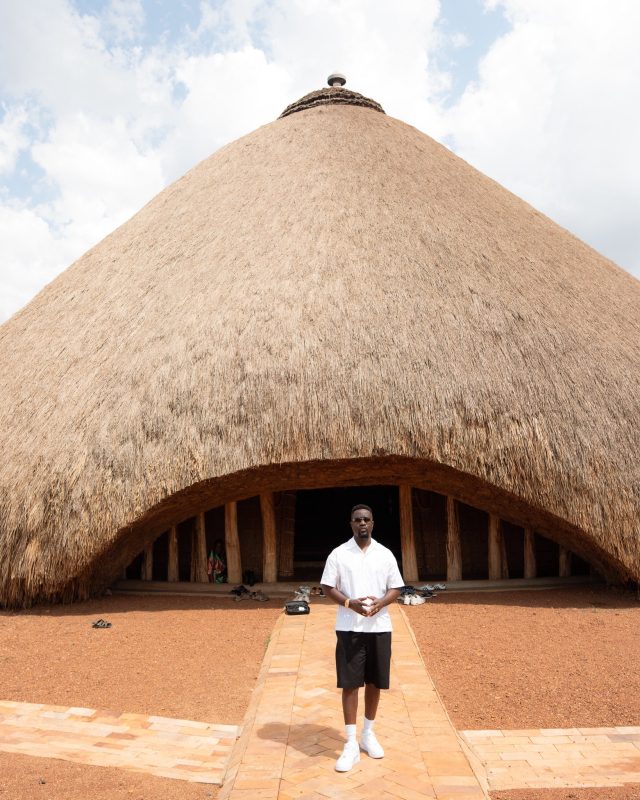
The observation has ignited discussions among urban planners, historians, and cultural critics concerning the westernization of African skylines. Traditional structures, such as the massive thatched-roof dome of the Kasubi Tombs constructed primarily from wood, thatch, and reed materials, demonstrate advanced indigenous engineering capable of natural climate control and structural resilience over centuries. Critics of modern African urban planning frequently point out that imported glass-and-steel architectural models often prove ill-suited to local tropical climates, requiring massive energy consumption for artificial cooling while lacking the distinct cultural identity embedded in ancestral designs.
Sarkodie’s commentary serves as a high-profile endorsement of Afrocentric design philosophies, encouraging architects, developers, and policymakers to integrate traditional motifs, sustainable materials, and time-tested structural techniques into modern urban landscapes.
The Genesis and Strategy Behind The African Diaries Tour
The East African leg is part of a meticulously planned itinerary announced by Sarkodie on October 31. The conceptual framework of "The African Diaries" breaks away from conventional promotional tours by deliberately omitting commercial music concerts. Following a major performance at his signature Rapperholic concert series in Kumasi, Ghana, the artist outlined a multi-nation trajectory encompassing Uganda, Kenya, Tanzania, and Nigeria.
The strategy focuses entirely on cultural immersion, media engagement, and grassroots networking. Prior to his arrival in Kampala, Sarkodie’s stop in Kenya featured extensive media tours across leading local radio stations and a strategic collaborative link-up with prominent Kenyan rapper Khaligraph Jones, strengthening creative bonds within the East African hip-hop community. Similar engagements are anticipated as the tour progresses toward Tanzania and Nigeria.
Industry analysts view this non-commercial approach as a pioneering blueprint for African artists seeking to build organic, long-term relationships across diverse markets. By prioritizing listening tours, heritage site visits, and direct community engagement over ticket sales, artists can cultivate authentic loyalty and deepen their understanding of regional nuances that traditional touring schedules rarely permit.
Broader Implications for Continental Integration and Future Projects
Sarkodie’s ongoing continental journey unfolds against a backdrop of intensifying preparation for one of the most significant milestones in his career: the upcoming Rapperholic concert scheduled for London’s prestigious O2 Arena on March 6, 2027. Early ticketing indicators released by event organizers demonstrate robust demand, with reports showing substantial advance sales as the musician builds international momentum.
The timing of "The African Diaries" directly supports this global expansion by reinforcing his positioning as a pan-African ambassador rather than a localized export. By actively engaging with the cultural infrastructure of nations like Uganda and Kenya, Sarkodie demonstrates a reciprocal appreciation of African heritage that resonates powerfully with diasporic and continental audiences alike.
Furthermore, the enthusiastic reception of the tour highlights the readiness of African populations for deeper intra-continental collaboration. Cultural exchanges driven by influential public figures help dismantle historical barriers created by colonial borders, fostering a unified market for creative industries, tourism, and shared intellectual discourse.
As Sarkodie continues his journey through East and West Africa, his reflections on architecture, heritage, and unity leave a lasting impression on public discourse. Whether his call for a return to authentic African architectural principles will influence urban development policies remains to be seen, but the artist has successfully focused mainstream attention on the enduring value of indigenous wisdom in a rapidly modernizing world.