The Indian film industry, a multi-billion dollar juggernaut known globally as Bollywood, is facing a chilling resurgence of organized crime that threatens to dismantle the sense of security painstakingly built over the last two decades. Recent violent incidents, including a targeted shooting involving actor Tiger Shroff, have reignited fears that the industry is once again being held hostage by criminal syndicates. In a haunting echo of the 1990s, when Mumbai was the epicenter of mafia-led extortion and violence, perpetrators are utilizing modern technology and social media to broadcast their threats, claiming allegiance to the imprisoned gangster Lawrence Bishnoi.
This latest wave of aggression marks a significant departure from the localized gang wars of the past. While the 1990s were characterized by territorial disputes between established crime lords like Dawood Ibrahim and Chhota Shakeel, the current climate is defined by a decentralized, tech-savvy model of intimidation directed from behind prison walls. The shift has transformed Bollywood into an "ATM" for criminal enterprises, with stars and industry figures serving as high-profile targets to facilitate rapid extortion and publicity-driven recruitment.
A Chronology of Escalating Violence
The current crisis did not emerge in a vacuum. It is the culmination of a systematic campaign of intimidation that has gained momentum since 2022. The following timeline illustrates the growing audacity of these criminal groups:
- 2022: The Bishnoi syndicate’s influence begins to manifest in high-profile threats, specifically targeting actor Salman Khan due to a long-standing grievance involving the poaching of a blackbuck, an animal held sacred by the Bishnoi community.
- April 2024: Gunmen on motorcycles fire multiple shots at the residence of Salman Khan in Mumbai’s Bandra neighborhood, signaling a shift from verbal threats to active physical assault.
- May 2024: Reports emerge of gunfire directed at the home of filmmaker Rohit Shetty. Simultaneously, extortion demands targeting actor Ranveer Singh reach approximately $1.1 million.
- June 2024: The violence transcends borders as a café owned by comedian Kapil Sharma in Surrey, Canada, is targeted three times in rapid succession, highlighting the global reach of the syndicate.
- October 2024: The murder of veteran politician and Bollywood associate Baba Siddique in Mumbai sends shockwaves through the industry, with investigators directly linking the assassination to the Bishnoi network.
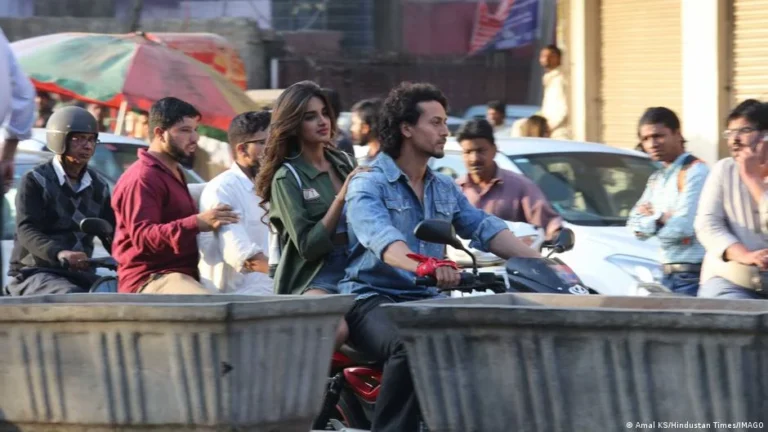
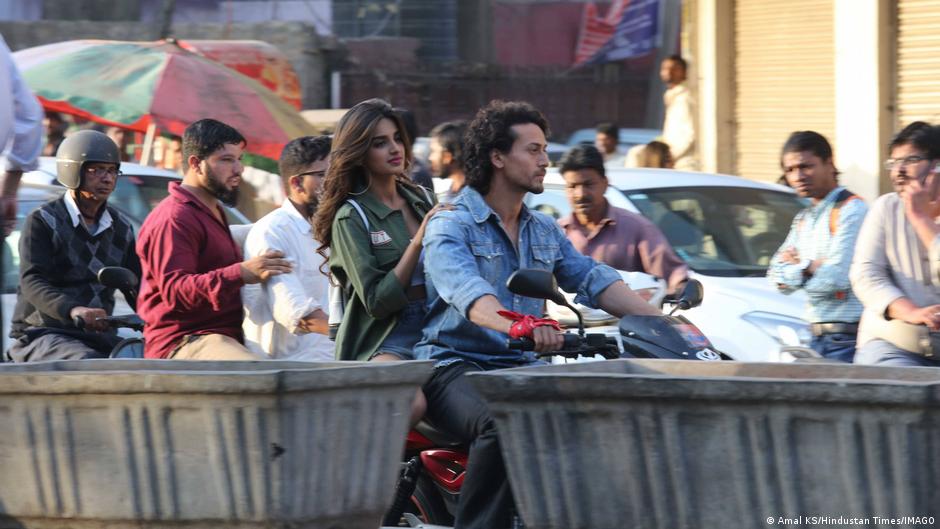
- November 2024: The most recent attack on actor Tiger Shroff’s vehicle, resulting in injuries to his driver, serves as a stark reminder that the industry’s inner circle remains vulnerable to these strikes.
The Evolution of Organized Crime: From Local Mafias to Digital Syndicates
To understand the current predicament, one must analyze the structural shift in how Indian organized crime operates. During the 1990s, the Mumbai underworld was deeply integrated into the city’s social and economic fabric. Crime syndicates were involved in smuggling, narcotics, and real estate, and they viewed the film industry as both a source of prestige and a mechanism for money laundering.
"The mafia was obsessed with the glamour of Bollywood," explains S. Hussain Zaidi, a renowned author and expert on the Mumbai underworld. "They didn’t just want to extort money; they wanted to participate in the production process to legitimize their illegal wealth."
In contrast, the modern iteration—represented by the Lawrence Bishnoi gang—functions more like a multinational corporate entity. Bishnoi, who has been incarcerated since 2014, orchestrates his network from a high-security prison cell in Gujarat using encrypted messaging applications. By recruiting disillusioned youth from northern India through social media platforms, the syndicate maintains a constant stream of disposable foot soldiers who are attracted to the "heroic" narrative built around the gangster’s persona.
According to former Mumbai Police Commissioner D. Sivanandhan, the strategy has changed from long-term industry infiltration to short-term, high-impact extortion. "They are using Bollywood as a financial resource," Sivanandhan notes. "The industry is loaded with capital, and they identify it as a soft underbelly. It is a simple equation: create fear, generate headlines, and demand payment."
The Economic and Security Implications
The economic impact of this resurgence is twofold. First, there is the immediate cost of security. Major production houses and individual stars are spending record amounts on private security details, armored vehicles, and surveillance technology. This overhead increases the cost of film production, which is already under pressure from rising distribution costs and changing audience habits.
Second, the psychological toll threatens the creative atmosphere of Mumbai. Industry bodies, such as the All Indian Cine Workers Association (AICWA), have officially appealed to the Indian government to intervene. "If the fear of the underworld continues, leading names may be forced to leave Mumbai," stated AICWA President Suresh Shyamlal Gupta in a recent petition to Home Minister Amit Shah. The fear is that if the creative hub of India loses its sense of safety, it will lead to a brain drain of talent and a decline in the city’s status as a global entertainment capital.

From a policy perspective, the government faces a daunting challenge. The 1999 Maharashtra Control of Organized Crime Act (MCOCA) was once the "ultimate weapon" that broke the back of the 1990s mafia. However, current law enforcement faces obstacles that did not exist twenty-five years ago. The digitization of finance has made it harder to track extortion payments, and the international nature of the gang—with key operatives like Goldy Brar based in North America—complicates the extradition process and jurisdictional coordination.
Fact-Based Analysis of the Threat Level
While the current situation is grave, experts advise against equating it directly with the 1990s. The 1990s saw a total collapse of public order, with 101 businessmen murdered in 1998 alone—a rate of one every three days. Today, while the headline-grabbing nature of the attacks creates a perception of total chaos, the systemic infiltration of the industry is not as deep as it once was.
Digital payments have reduced the amount of "black money" circulating in the film industry, making it more difficult for gangs to demand large cash sums without leaving a paper trail. Furthermore, the Mumbai Police have significantly modernized their intelligence-gathering capabilities since the turn of the century.
However, the "publicity factor" cannot be ignored. The gangs benefit significantly from the social media coverage of their threats. Each time a news outlet reports on a threat made by the Bishnoi gang, the syndicate gains "brand recognition," which in turn aids their recruitment of youth who aspire to the notoriety of the gang leader. This cyclical feedback loop is what makes the current threat particularly difficult to suppress through traditional policing alone.
The Path Forward: Government and Industry Responses
The Indian government has indicated that it is treating the situation with extreme urgency. US authorities have also become involved, with the FBI placing bounty prices on key associates of the Bishnoi gang, signaling that the issue is now a matter of international security.

Industry leaders are calling for a multi-pronged approach:
- Enhanced Protective Measures: Greater collaboration between the Mumbai Police and private security firms to establish "green zones" around studios and residences.
- Strict Digital Surveillance: Increased monitoring of the encrypted channels used by gangs to conduct their recruitment and extortion operations.
- International Cooperation: More aggressive pursuit of extradition treaties with countries where key syndicate members have sought refuge.
As the industry looks to the future, the primary goal remains the restoration of the "creative confidence" that defines Mumbai. Bollywood has survived systemic changes, economic shifts, and pandemics; the question remains whether it can effectively neutralize a threat that is as agile as the internet itself. The message from the industry’s leadership is clear: the dark days of the 1990s, when life in Mumbai was dictated by the whims of the underworld, are not to be repeated. Whether that sentiment can be transformed into a lasting reality depends on the efficacy of the state’s response in the coming months.