On April 12, 2021, a single tweet from Jack Dorsey, the co-founder and then-CEO of Twitter, sent shockwaves through the global technology sector and ignited a wave of optimism across the African continent. By sharing a link to the company’s official blog, Dorsey announced that Twitter was "now present on the continent," specifically thanking President Nana Akufo-Addo and the people of Ghana for welcoming the social media giant. This move was heralded as a watershed moment for the African tech ecosystem, signaling that one of the world’s most influential communication platforms was finally ready to invest deeply in the region’s talent and digital future. However, less than two years later, that vision of a "beautiful partnership" would be dismantled in a matter of days following the platform’s acquisition by billionaire Elon Musk, leaving the African team in a state of professional and financial limbo.
The Strategic Choice of Ghana as a Gateway to Africa
Twitter’s decision to establish its African headquarters in Accra, Ghana, was not a random selection. In its 2021 announcement, the company cited Ghana’s reputation as a "champion for democracy" and a staunch supporter of free speech and online freedom as the primary drivers for the choice. These values aligned with Twitter’s then-stated mission of fostering an open internet and serving the public conversation. President Akufo-Addo responded to the news with enthusiasm, describing it as "excellent news" and a critical step for the development of Ghana’s technology sector.
The entry of Twitter into the African market sparked a healthy rivalry among the continent’s tech hubs, particularly between Ghana and Nigeria. While Nigeria boasted a larger user base and a more expansive startup scene, Ghana’s political stability and regulatory environment won the favor of Twitter’s leadership. The move was seen as a validation of African talent, as the company immediately began recruiting for roles in engineering, marketing, and communications, with a focus on locally sourced professionals who understood the nuances of the African digital landscape.
A Year of Remote Growth and Cultural Integration
Throughout 2021 and the first half of 2022, the Twitter Africa team operated primarily in a remote capacity. This period was marked by significant cultural integration on the platform. African voices were amplified through specialized "hashmojis" and curated trends that reflected the continent’s vibrant communities. For the first time, users in the region felt a sense of direct representation within the company’s internal decision-making processes.
The presence of an African team was particularly vital for content moderation and safety. By employing individuals with a deep understanding of local languages, political contexts, and social dynamics, Twitter was better equipped to handle the complexities of the African "timeline." This localized approach was viewed as a gold standard for how global tech corporations should engage with emerging markets—moving beyond mere service provision to active participation in the local economy.
The Leadership Transition and the Musk Acquisition
The trajectory of Twitter Africa began to shift on November 29, 2021, when Jack Dorsey announced his resignation as CEO. He was succeeded by Parag Agrawal, the company’s Chief Technology Officer, who was initially seen as a steady hand who would continue Dorsey’s decentralized and global vision. Agrawal even engaged with African tech advocates, such as Microsoft’s Ivy Barley, in Twitter Spaces, projecting an image of continued commitment to the region.
However, the internal stability of Twitter was short-lived. In April 2022, Elon Musk, the CEO of Tesla and SpaceX, disclosed a significant stake in the company and subsequently launched a $44 billion hostile takeover bid. What followed was a tumultuous six-month period of legal battles, public disparagement of Twitter’s management, and uncertainty regarding the platform’s future. Musk’s primary criticisms centered on the prevalence of "bot" accounts and the company’s cost structure. Despite his initial attempts to withdraw from the deal, Musk eventually completed the acquisition on October 27, 2022, immediately firing top executives, including Agrawal.
The Tragic Irony of the Accra Office Opening
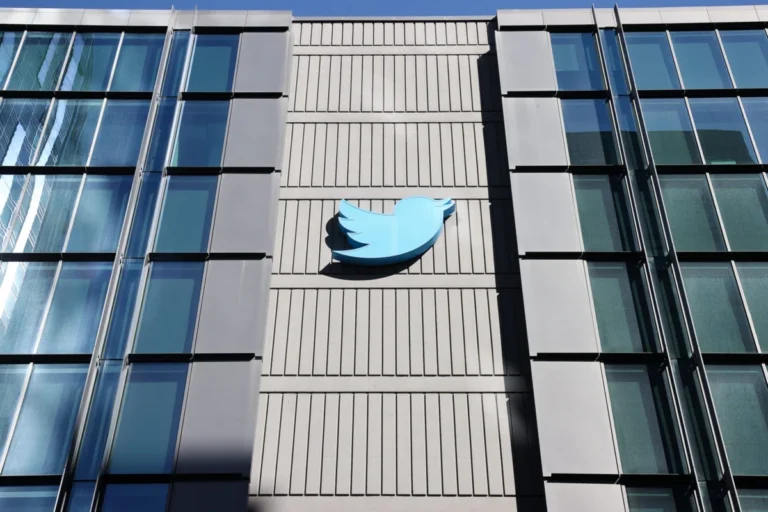
The most poignant chapter of the Twitter Africa story occurred in early November 2022. After more than a year of remote operations, the Africa team finally moved into a physical office space in Accra. On November 1, 2022, Senior Partner Manager Bernard Kafui Sokpe shared photos of the team in their new "nest," celebrating the milestone on LinkedIn. He noted that despite working remotely, the team had shipped numerous features and successfully amplified African voices.
The celebration lasted exactly three days. On November 4, 2022, as part of a global "reduction in force" initiated by Elon Musk, half of Twitter’s 7,500 employees were laid off. The Africa team was not spared. In a move that many described as cold and clinical, employees across the world received an email with the subject line "Your Role at Twitter," informing them of their termination. For the Accra-based staff, the notification was particularly jarring, coming so soon after the high-profile opening of their physical headquarters.
Disparities in Treatment and the Severance Controversy
As the dust settled on the global layoffs, a disturbing pattern began to emerge regarding the treatment of the African staff compared to their counterparts in the United States and Europe. Elon Musk publicly claimed that all laid-off employees were offered three months of severance, which he described as "50% more than legally required." However, reports from the African team suggested a different reality.
According to internal communications and subsequent media reports, the African staff were placed on "garden leave" until December 4, 2022, with no clear path to the severance packages promised to Western employees. Furthermore, the communication regarding their termination was handled through Twitter’s Dublin office, with little to no regard for the local labor laws of Ghana. This discrepancy fueled accusations that the initial move to Africa was a "PR gimmick" rather than a sustainable business commitment. Former Twitter executives, including Alphonzo Terrell and Lara Cohen, took to the platform to call out Jack Dorsey and Elon Musk, urging them to "make this right" for the Ghanaian employees who had been instrumental in the company’s regional growth.
Chronology of Key Events
- April 12, 2021: Jack Dorsey announces Twitter’s entry into Africa with a headquarters in Ghana.
- April 2021 – October 2021: Intensive recruitment of African talent for roles in engineering, safety, and marketing.
- November 29, 2021: Jack Dorsey resigns; Parag Agrawal is named CEO.
- April 14, 2022: Elon Musk offers to buy Twitter for $44 billion.
- July 8, 2022: Musk attempts to terminate the deal, citing concerns over fake accounts.
- October 27, 2022: Musk completes the acquisition and assumes control as "Chief Twit."
- November 1, 2022: The Twitter Africa team officially opens its physical office in Accra.
- November 4, 2022: Mass layoffs occur globally; the majority of the Africa team is terminated via email.
- December 2022: Reports surface regarding the lack of severance pay and proper off-boarding for the African staff.
Broader Impact and Implications for Big Tech in Africa
The collapse of Twitter’s African operations serves as a cautionary tale for the continent’s burgeoning tech sector. For years, African governments and entrepreneurs have worked to attract "Big Tech" investment, viewing it as a catalyst for job creation and digital infrastructure development. The Twitter saga, however, highlights the vulnerability of local ecosystems to the whims of global corporate restructuring and the erratic leadership of multinational CEOs.
From a journalistic and analytical perspective, the incident raises critical questions about corporate social responsibility. When a company enters a market by touting its commitment to democracy and free speech, its exit strategy is scrutinized under the same moral lens. The perceived disrespect shown to the African team—characterized by automated emails and a lack of financial parity—has left a stain on Twitter’s brand in the region.
Furthermore, the loss of a dedicated African team has had immediate effects on the platform’s utility in the region. Without local experts to manage partnerships and monitor content, the platform has seen a rise in unaddressed misinformation and a decline in the visibility of African-centric initiatives. For many, the "nest" in Accra, which was supposed to be a beacon of innovation, now stands as a symbol of a promise unfulfilled.
Conclusion
The story of Twitter Africa is one of immense potential curtailed by corporate upheaval. What began as a celebrated partnership between a global tech giant and a democratic West African nation ended in a flurry of emails and legal disputes. As the world’s richest man continues to revamp the platform now known as X, the legacy of the original Africa team remains a testament to the talent available on the continent—talent that proved it could "ship" global-standard products while working from a home desk in Accra. The challenge now lies with other global corporations to prove that their interest in Africa is more than a fleeting headline and that they are willing to stand by their commitments even in times of internal crisis.