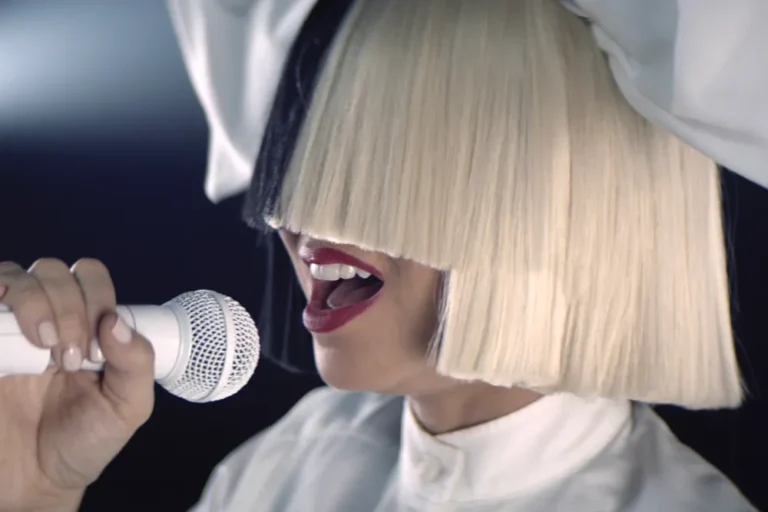
Sia: Nostalgic for the Present, a captivating performance film that first accompanied the Australian singer-songwriter’s acclaimed 2016 tour of the same name, is making a welcome return to select cinemas. This cinematic experience offers audiences a renewed opportunity to immerse themselves in Sia’s distinctive blend of enigmatic artistry and potent musical expression, a formula that continues to resonate years after its initial debut. The film’s reappearance in theaters underscores its enduring impact and Sia’s significant, albeit often understated, influence on contemporary pop culture.
The initial release of Sia: Nostalgic for the Present was intrinsically linked to Sia’s extensive global tour, which spanned from September 2016 to April 2017. This ambitious undertaking showcased the artist’s commitment to an innovative and visually arresting live performance concept. The accompanying film, designed to encapsulate this unique artistic vision, eschewed conventional concert film formats. Instead, it presented a deeply conceptualized piece that prioritized artistic statement over celebrity spotlight. Even a decade on, the film’s groundbreaking approach to pop stardom and live performance continues to set it apart, offering a compelling counterpoint to the often personality-driven nature of the music industry.
A Vision of Anonymity and Unseen Power
A defining characteristic of Sia: Nostalgic for the Present is the artist’s deliberate decision to conceal her face throughout the entirety of the film. This bold artistic choice, a consistent element of Sia’s public persona since the early 2010s, allows the music and the visual narrative to take center stage. The review highlights this distinctive feature, noting that "in the entire movie you never once see Sia’s face." This deliberate anonymity transforms Sia from a conventional performer into an almost archetypal figure, a conduit for emotion and power.
The iconic half-blonde, half-black wig, a visual signature that became synonymous with Sia’s career resurgence, is prominently featured. This striking aesthetic served not only as a mask but also as a powerful symbol, allowing Sia to explore themes of identity and vulnerability without exposing her personal self. The review eloquently describes this effect: "She’s an abstract figure, a pair of lips singing, and this creates the sensation that the power she’s singing about doesn’t emanate from her. She’s channelling a force larger than herself, the rising spectre of feminine triumph. She’s merely the vessel." This perspective reframes Sia’s role, positioning her as an interpreter of universal human experiences rather than a self-referential celebrity. The film extends this visual motif by featuring dancers, actors, and crew members adorned with variations of the same wig, creating a cohesive and visually striking thematic throughline that reinforces the film’s conceptual depth.
The Pivotal Role of Maddie Ziegler and Enduring Hits
Central to the film’s narrative and visual dynamism is the presence of dancer Maddie Ziegler. Ziegler, who first gained widespread recognition for her starring role in Sia’s groundbreaking 2014 music video for "Chandelier," has become an inseparable visual collaborator for the artist. Her performances in the film are characterized by an intense emotionality and athletic prowess, driving many of the most memorable sequences. The symbiotic relationship between Sia’s music and Ziegler’s expressive choreography has become a hallmark of Sia’s artistic output, bridging the gap between auditory and visual storytelling in a uniquely impactful way.
The film also serves as a powerful reminder of Sia’s extensive catalog of globally recognized hit songs. Audiences are treated to performances of anthems that have defined a generation of pop music, including "Titanium," "The Greatest," "Unstoppable," and the iconic "Chandelier." These tracks, imbued with Sia’s signature blend of vulnerability and resilience, continue to resonate with listeners worldwide. The review acknowledges the enduring quality of these songs, stating, "The hits remain sublime." The re-release of the performance film provides a timely opportunity to re-evaluate the songwriting prowess and vocal delivery that have cemented Sia’s status as one of the most significant artists of the 21st century.
Sia’s Enduring Pop Influence and Potential for a Resurgent Career
While Sia: Nostalgic for the Present is intrinsically tied to the stylistic trends of the mid-2010s, its core message and artistic execution transcend temporal limitations. The film undeniably highlights Sia’s exceptional talent for crafting memorable and emotionally resonant pop anthems that have soundtracked countless lives. Her ability to articulate complex emotions through universally accessible melodies and powerful vocal performances has made her a formidable force in the music industry.
The review posits that Sia possesses the latent talent and artistic credibility to achieve a significant career resurgence, drawing a parallel to Lady Gaga’s successful return to prominence. "I’m writing about Sia as if she had gone away, but as someone who loves her music, I see no reason on earth why she couldn’t now enjoy a comeback as ferocious as the one that Gaga had with ‘Applause’," the review states. This sentiment reflects a broader observation within the music industry: that artists with a proven track record of critical and commercial success, coupled with a distinct artistic vision, retain the potential to captivate audiences anew, even after periods of less prominent visibility. Sia’s unique artistic identity, her songwriting depth, and her proven ability to connect with a global audience provide a strong foundation for such a comeback.
Context and Chronology of the Nostalgic for the Present Era
The Nostalgic for the Present tour and its accompanying film emerged during a period of significant artistic evolution for Sia. Following a successful career as a songwriter for other artists, Sia experienced a meteoric rise to global superstardom in the early to mid-2010s. Her 2014 album 1000 Forms of Fear, featuring the breakout hit "Chandelier," catapulted her into the mainstream consciousness. This album, and the subsequent This Is Acting (2016), which heavily influenced the Nostalgic for the Present tour, explored themes of addiction, mental health, and personal struggle, often through the lens of abstract storytelling.
The Nostalgic for the Present tour itself was a critical and commercial success, lauded for its innovative staging and Sia’s decision to let her music and visual artistry speak for themselves. The tour, which commenced in North America in September 2016, quickly expanded to international dates, solidifying Sia’s status as a global phenomenon. The decision to create a performance film was a natural extension of this artistic strategy, aiming to capture the essence of the tour’s unique aesthetic and thematic coherence. The film’s production was likely a complex undertaking, requiring extensive choreography, visual effects, and careful direction to maintain Sia’s anonymity while still conveying profound emotional depth. The decision to release it in cinemas, rather than exclusively as a home video release, underscored its ambition as a cinematic event.
Supporting Data and Industry Impact
The commercial success of Sia’s albums during this period provides quantifiable evidence of her significant impact. 1000 Forms of Fear debuted at number one on the Billboard 200 chart in the United States and achieved multi-platinum status in several countries. This Is Acting also performed strongly, charting in the top ten in numerous global markets. The singles released from these albums, such as "Chandelier," "Elastic Heart," "Big Girls Cry," "The Greatest," and "Cheap Thrills," collectively garnered billions of streams across digital platforms and dominated radio airwaves worldwide. For instance, "Cheap Thrills" alone was one of the best-selling digital singles globally in 2016.
The visual impact of Sia’s work, particularly her collaborations with Maddie Ziegler, also warrants attention. The music videos for "Chandelier," "Elastic Heart," and "The Greatest" have amassed hundreds of millions, and in some cases, over a billion views on YouTube. These videos, characterized by their raw emotion and expressive choreography, redefined the potential for visual storytelling within pop music. The Nostalgic for the Present film continues this tradition, offering a curated selection of these impactful visual narratives. The sustained popularity of these visual assets, even years after their initial release, speaks to their timeless artistic merit and Sia’s ability to create enduring cultural moments.
Broader Implications and Legacy
The enduring appeal of Sia: Nostalgic for the Present lies in its challenge to conventional notions of celebrity and performance. In an era where authenticity is often equated with overt personal exposure, Sia’s deliberate concealment of her face offers a refreshing alternative. It suggests that artistic power and emotional resonance can be conveyed through abstract representation and shared experience, rather than solely through individualistic self-expression. This approach resonates with a growing audience that values artistic integrity and conceptual depth.
Furthermore, the film serves as a testament to Sia’s multifaceted talent as a songwriter, vocalist, and conceptual artist. Her ability to craft universally relatable anthems that explore the complexities of the human condition has solidified her place in the pantheon of contemporary music icons. The reappearance of Sia: Nostalgic for the Present in cinemas is more than just a nostalgic revival; it is an invitation to re-engage with a body of work that continues to inspire, provoke, and captivate. It also serves as a potent reminder of Sia’s potential to continue shaping the musical landscape, a prospect eagerly anticipated by fans and critics alike. The film’s cinematic return reinforces the notion that great art, regardless of its temporal context, possesses an intrinsic power that can transcend fleeting trends and continue to resonate with new audiences.