South Africa is poised to make a significant contribution to space science and agricultural research by sending seeds of its indigenous rooibos plant to the International Space Station (ISS) in October. This pioneering initiative, dubbed "Rooibos in Space," will place one of the nation’s most recognizable and economically vital agricultural products at the forefront of a unique space-based experiment. The project, a collaboration between the South African Rooibos Council, the South African National Space Agency (SANSA), and the educational space company MaxIQ Space, aims to explore the resilience and growth potential of rooibos under the extreme conditions of space.
The rooibos plant, scientifically known as Aspalathus linearis, is endemic to the Western Cape province of South Africa, thriving in the unique fynbos biome of the Cederberg region. For centuries, indigenous communities have utilized its antioxidant-rich leaves to brew a caffeine-free, naturally sweet herbal tea, celebrated globally for its health benefits and distinctive flavour. In recent decades, rooibos has transitioned from a local delicacy to a significant export commodity, underscoring its importance to the South African economy and cultural heritage.
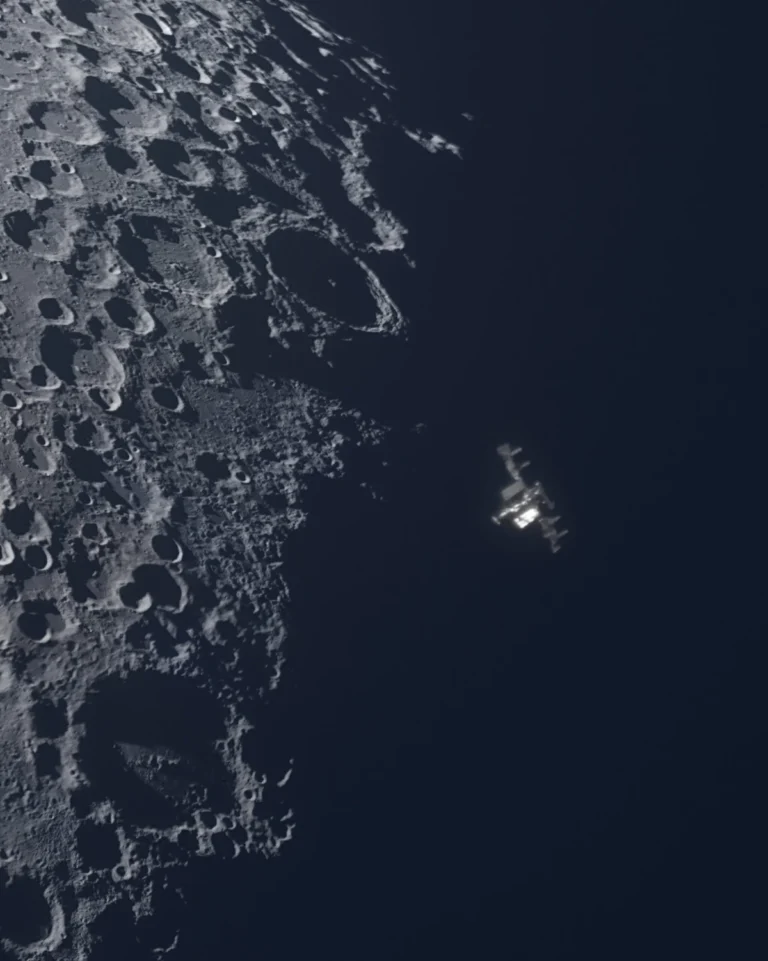
The "Rooibos in Space" mission is scheduled to launch in October, marking a pivotal moment for South African agriculture and scientific exploration. The rooibos seeds will embark on a journey to the ISS, where they will reside for several weeks within a specialized nanolab. During their orbital stay, the seeds will be subjected to the unique environmental factors of space, including microgravity and elevated levels of space radiation. These conditions are vastly different from those on Earth, offering a crucial opportunity to study plant adaptation and survival beyond our planet’s protective atmosphere.
Upon their return to Earth, the seeds that have experienced the rigors of space will be meticulously compared with a control batch that has remained grounded. Researchers, in collaboration with local rooibos farmers and students, will analyze a range of critical parameters, including germination rates, growth patterns, overall yield, and the plant’s inherent resilience. This comparative study is expected to yield valuable insights into how genetic material responds to extraterrestrial environments and could have far-reaching implications for agricultural innovation.
H2: Cultivating Scientific Curiosity from the Cederberg to Orbit
The educational component of the "Rooibos in Space" initiative is particularly robust, aiming to inspire the next generation of South African scientists and innovators. Learners from seven schools situated within the Cederberg region, the heartland of South Africa’s rooibos cultivation, will be actively involved in the project. These students will work alongside experienced local rooibos farmers, gaining firsthand experience in seed collection, data gathering, and the analysis of experimental results. This hands-on involvement is designed to foster a deeper understanding of both agricultural practices and the scientific method.
Furthermore, Parklands College in Cape Town, where the initiative was officially launched, will be conducting a parallel experiment on Earth. This terrestrial component ensures a robust control group for the space-based study and provides another platform for students to engage in scientific inquiry. The collaborative nature of the project underscores a commitment to bridging the gap between traditional agricultural knowledge and cutting-edge scientific research.
Dawie de Villiers, director of the South African Rooibos Council, emphasized the project’s significance in connecting South Africa’s rich agricultural legacy with scientific advancement. "Rooibos has long been part of South Africa’s agricultural heritage," de Villiers stated. "This project places it within a broader scientific context, where plant biology, space research, and education intersect. It also reflects the importance of investing in scientific literacy and skills development for the next generation of researchers and innovators." His words highlight the dual purpose of the mission: to unlock scientific knowledge and to cultivate a scientifically literate future workforce.
Judi Sandrock, founder of MaxIQ Space, echoed this sentiment, stressing the practical benefits for the participating learners. "It provides a structured opportunity to develop scientific thinking, data analysis skills, and an understanding of how experimentation works in practice," Sandrock explained. The initiative offers a unique chance for students to engage with real-world scientific challenges, moving beyond theoretical learning to practical application.
H2: A Global Export Takes Flight: Rooibos’s Journey into Space Research
Rooibos is more than just a culturally significant beverage; it is a burgeoning export commodity for South Africa. In 2023, the country exported approximately 10,930 tonnes of rooibos to over 50 international markets, a significant milestone that surpassed the 10,000-tonne mark for the first time. The industry as a whole produces around 20,000 tonnes annually, with roughly half destined for export and the remainder consumed domestically. This substantial output supports thousands of jobs across the entire value chain, from farming and processing to packaging and retail, making it a critical sector for rural economies.
The global recognition of rooibos was further cemented when it became the first African food product to receive protected designation of origin (PDO) status from the European Union. This designation ensures that only products originating from the recognized South African production regions can legally be marketed as "rooibos," safeguarding its authenticity and value.
The decision to send rooibos seeds to space imbues this established African export with an unprecedented level of visibility within a domain typically dominated by advanced engineering, satellite technology, and human spaceflight. It signifies a symbolic step in showcasing African agricultural prowess on a global scientific stage.
H2: African Agriculture’s Footprint in Orbit: Precedent and Future Potential
While "Rooibos in Space" marks a significant first for South Africa, it is not the inaugural instance of an African crop venturing into the cosmos. In August 2025, egusi melon seeds, originating from Nigeria’s Oyo State, were sent to the ISS as part of an experiment led by Nigerian space scientist Dr. Temidayo Oniosun. These egusi seeds spent seven days in orbit alongside heritage seeds from other nations before their return to Earth for analysis.
This precedent underscores a growing interest among African nations in exploring the intersection of agriculture and space science. The broader implications of such research extend to the critical challenge of ensuring food security in the face of climate change and enabling long-duration space missions.
Space agencies have been investigating plant growth in orbit for decades, driven by the need for sustainable food sources for astronauts on extended missions to the Moon and Mars. NASA’s Vegetable Production System, or Veggie, has successfully cultivated various crops, including lettuce, Chinese cabbage, kale, and mustard, aboard the ISS. These experiments meticulously study how plants adapt to microgravity, including their absorption of water, nutrients, and light, and their overall physiological responses.
The International Atomic Energy Agency (IAEA) and the UN Food and Agriculture Organization (FAO) have also participated in space-based plant research. In November 2022, they sent sorghum and Arabidopsis seeds to the ISS. These seeds were exposed to microgravity and cosmic radiation, with the aim of identifying genetic traits that could enhance crop resilience to climate change. Such research holds the potential to not only support food production in challenging extraterrestrial environments but also to accelerate the development of climate-resilient crops for cultivation in drought-prone, extreme-temperature regions on Earth.
The "Rooibos in Space" initiative, alongside the earlier Nigerian egusi experiment, collectively demonstrates how African crops, deeply intertwined with the continent’s cultural identity and economic fabric, are increasingly becoming integral components of a global effort to understand and advance agriculture beyond Earth. These projects are not merely scientific endeavors; they are powerful symbols of African innovation and a commitment to addressing both terrestrial and extraterrestrial challenges through scientific collaboration and agricultural resilience. The journey of rooibos seeds to the ISS represents a bold stride in this ongoing exploration, weaving together tradition, innovation, and the boundless potential of space.