The final whistle at the New York New Jersey Stadium signaled the end of an epic tournament, with Spain emerging victorious in the 2026 FIFA World Cup, clinching their second title after a hard-fought 1-0 victory over defending champions Argentina in extra time. This edition of the quadrennial football spectacle, expanded to an unprecedented 48 teams, will be remembered not only for Spain’s tactical brilliance and the individual heroics of its established stars but also for the emergence of unexpected heroes who etched their names into football history through resilience, decisive interventions, and the sheer embodiment of sporting spirit.
The Late Bloomers: Torres and Williams Deliver the Decisive Blow
For over 100 minutes of the World Cup final on July 19th, the match remained a tense tactical battle. Spain, despite dominating possession and creating the majority of scoring opportunities, found themselves unable to break down a resolute Argentinian defense. The deadlock was finally shattered in the 106th minute, not by a pre-match favorite, but by a potent combination from the Spanish bench. Substitute Nico Williams, introduced to inject fresh pace and creativity, carved out the opening with a decisive pass, which was clinically finished by fellow substitute Ferran Torres. This single moment of brilliance, a testament to the squad depth of the Spanish team, transformed their superiority into a historic triumph.
This victory marked Spain’s return to the pinnacle of international football after a 16-year hiatus, their last World Cup win dating back to 2010. The Spanish substitutes provided the crucial energy and impetus that settled a contest where Argentina, despite their defensive efforts, struggled to create meaningful chances during regulation time. The narrative of the final underscored a key theme of the 2026 tournament: that decisive moments can emerge from any corner of a squad, irrespective of pre-match expectations.
Rodri: The Unsung Maestro and Golden Ball Winner
While Ferran Torres provided the decisive goal, the orchestrator of Spain’s tactical symphony was undoubtedly Rodri. The midfielder, whose full name is Rodrigo Hernández Cascante, may not have scored or assisted in the final, but his influence permeated every aspect of Spain’s play. He controlled the tempo, shielded the defense, and provided the platform for his more adventurous teammates to operate. His commanding presence in midfield was even more remarkable considering his personal journey. Less than two years prior to the tournament, Rodri suffered a serious knee ligament rupture, undergoing a lengthy and arduous recovery. His return to lead Spain to glory was a testament to his unwavering determination and resilience.
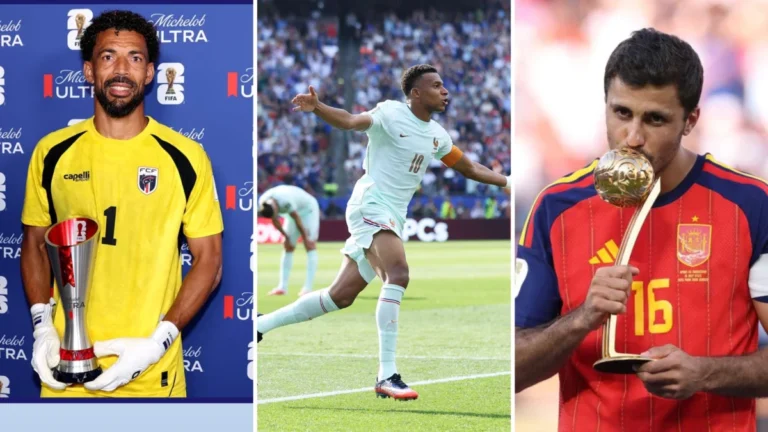
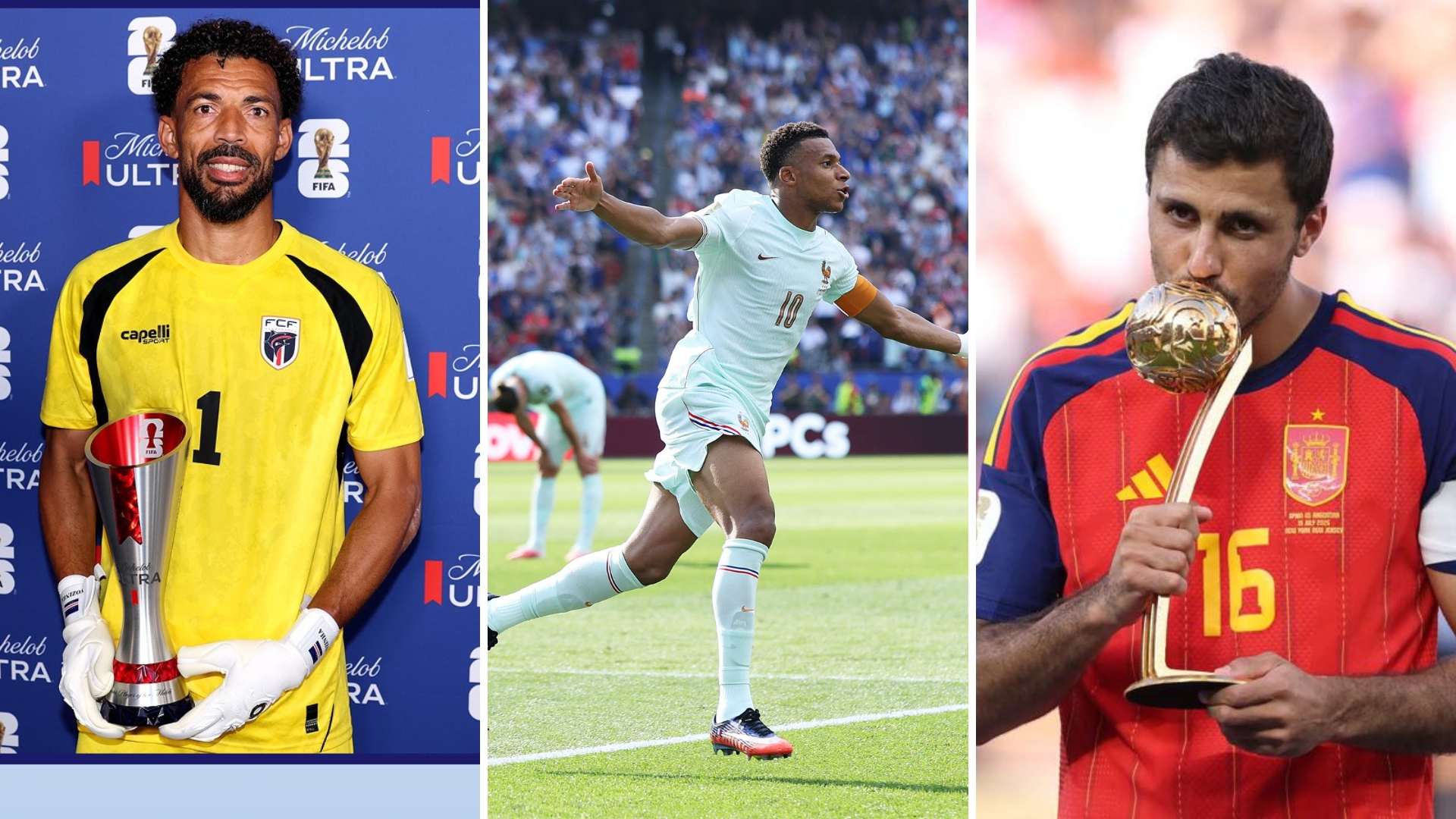
Rodri’s exceptional performance throughout the tournament earned him the prestigious Golden Ball, awarded to the competition’s best player. He completed an astonishing 790 passes, setting a new record for the most passes by a player in a single World Cup. Reflecting on his triumph, Rodri revealed that he had not anticipated such success during the darkest periods of his rehabilitation. His return was more than just the addition of a midfielder; it was the restoration of the organizational linchpin around whom Spain’s possession-based style, pressing game, and defensive balance could function seamlessly. Rodri exemplified a new breed of superstar: a player who is central to a team’s system without the team being solely constructed to serve him.

A Tournament of Diverse Heroisms
The 2026 World Cup showcased a multitude of heroic narratives, extending beyond the immediate victors. Players battled back from severe injuries, setting inspiring examples of perseverance. Others etched their names in the record books, even if their teams fell short of lifting the trophy. Small nations defied expectations, capturing the global imagination and forcing their way into football’s most significant conversation. Unforgettable moments, whether a single goal, a crucial save, or an extraordinary individual performance on a pivotal night, resonated with fans worldwide. Beyond FIFA’s official accolades, this tournament celebrated players whose resilience, tactical importance, game-changing interventions, and symbolic significance collectively shaped the memory of the first 48-team World Cup.
Defensive Bedrock: Simón and Cubarsí Fortify Spain’s Triumph
While Spain’s attacking flair garnered significant attention, their championship was fundamentally anchored by an unshakeable defensive discipline. Goalkeeper Unai Simón was a commanding presence between the posts, earning the Golden Glove award. His remarkable feat of keeping seven clean sheets in eight matches set a new benchmark for goalkeepers in a single men’s World Cup. Spain’s defensive solidity was a collective effort, conceding only once throughout the entire tournament. The team’s immediate pressing after losing possession effectively prevented opponents from mounting sustained attacks, thereby protecting Simón.
Complementing Simón’s experience and calmness under pressure was the emerging talent of 19-year-old Pau Cubarsí. The Barcelona defender was instrumental in constructing attacks from the back while demonstrating remarkable composure against elite forwards. FIFA recognized his contributions by awarding him the tournament’s Best Young Player accolade. Cubarsí’s 566 completed passes underscored his vital role in Spain’s build-up play from defense. Together, Simón and Cubarsí embodied the crucial understanding that possession alone cannot win a World Cup without an unyielding defensive foundation. Cubarsí, in particular, represents a new generation poised to sustain Spain’s success for years to come.

Mbappé’s Record-Breaking Quest Amidst Near Misses
Despite France’s inability to reach a third consecutive final, Kylian Mbappé continued to rewrite World Cup history. The French captain secured the Golden Boot, finishing as the tournament’s top scorer with 10 goals. His two goals in the third-place playoff propelled his career World Cup tally to an astonishing 22, making him the competition’s all-time leading scorer at the young age of 27. Mbappé achieved this milestone in his third World Cup appearance, having scored four in 2018, eight in 2022, and a remarkable ten in 2026.
However, Mbappé’s individual success was tinged with the bittersweet reality of collective disappointment. His response to breaking the scoring record highlighted the inherent tension between individual achievement and the ultimate prize of the World Cup. "I would have preferred not to be the all-time top scorer and to be playing tomorrow’s match," Mbappé stated prior to the final. "It’s good in terms of legacy, but today it’s not the first thing on my mind." This sentiment encapsulated his tournament: the most devastating goalscorer, yet not a champion. The World Cup has undeniably defined Mbappé’s international career, and his record may still be far from its final summation.
Messi’s Farewell Campaign: A Captain’s Enduring Legacy
Football fans had hoped for a fairytale ending to Lionel Messi’s illustrious World Cup journey. At 39 years old, the Argentinian captain delivered a masterful performance, scoring eight goals and providing four assists, leading the defending champions to a second successive final. His late interventions were crucial in navigating Argentina through challenging knockout matches, showcasing an evolved game based on intelligent positioning and energy conservation rather than relentless acceleration.

The final, however, offered little space for Messi to conjure a decisive moment. Spain’s disciplined defensive strategy effectively restricted his influence, denying him service in dangerous areas and preventing Argentina from registering a single shot on target during the regulation 90 minutes. Their first attempt on goal only arrived in the 116th minute, when they were already trailing and playing with ten men. Messi departed the pitch in tears after his third World Cup final appearance. Argentina coach Lionel Scaloni lauded his captain’s "unbelievable" tournament, praising his commitment to playing every minute of the knockout phase at his age. While his final World Cup appearance concluded with a runner-up medal, Messi’s campaign was a testament to his enduring impact and ability to carry his team to the brink of glory, even at the twilight of his career.
Cape Verde’s Fairytale Run and Vozinha’s Heroics
Few outside of Cape Verde would have predicted the emergence of 40-year-old goalkeeper Vozinha as a potential World Cup hero. Representing an island nation making its debut in the competition, Cape Verde’s opening fixture against European powerhouse Spain presented a daunting challenge. By the end of the match, however, Vozinha had captured the hearts of many. Despite facing 27 shots from Spain, the veteran goalkeeper made seven crucial saves, securing a goalless draw and Cape Verde’s first-ever World Cup point.
This remarkable performance was not an isolated incident. Cape Verde’s debut campaign saw them advance from their group, becoming the least populous nation to reach the knockout stage. Their journey continued with a thrilling Round of 32 tie against Argentina, where they twice came from behind before ultimately succumbing 3-2 after extra time. Vozinha’s assertion that Cape Verde’s players could compete at the highest level was validated by their performances against traditional powerhouses. Their run served as a compelling sporting argument for the expanded tournament, demonstrating that newcomers could bring not only unfamiliar stories and the ambitions of small nations but also the ability to unsettle established powers, proving the value of making room for new participants.

Room’s Record-Breaking Stand for Curaçao
Heroism is not always confined to deep tournament runs; sometimes, it is forged in a single, unforgettable evening. For Curaçao, that evening arrived against Ecuador. Six days after a significant defeat to Germany, the World Cup debutants were determined to respond. Goalkeeper Eloy Room provided that response in spectacular fashion. Despite Ecuador consistently finding shooting lanes, Room repeatedly thwarted their efforts. The 37-year-old’s 15 saves in a goalless draw set a new record for the most saves in a 90-minute World Cup match, securing the tournament’s least populous country their first World Cup point. With each save, the pressure mounted, and each intervention carried immense significance, as Curaçao fought not just to survive another match but to protect their historic first point.
Saka’s Consolation Spectacle and England’s Best Finish Since ’66
Bukayo Saka’s defining performance occurred under vastly different circumstances. England, having suffered a semifinal defeat to Argentina, entered the third-place playoff with the weight of another failed pursuit of the ultimate prize. Saka transformed the consolation fixture into a dazzling spectacle. He scored twice in the first half and completed his hat-trick from the penalty spot late in the match as England triumphed over France in a remarkable 6-4 victory, securing third place. This marked England’s best World Cup finish since their triumph in 1966. The ten-goal thriller also became the highest-scoring third-place playoff in World Cup history. While Room defended the goal of a small Caribbean nation, Saka shone for one of football’s most scrutinized and resource-rich teams, both demonstrating that heroism can emerge even when the primary ambition has faded.
Legacy Beyond Awards: The Enduring Spirit of 2026
FIFA’s official individual awards provided a clear account of the tournament’s standout performers: Rodri (Golden Ball), Kylian Mbappé (Golden Boot), Unai Simón (Golden Glove), and Pau Cubarsí (Best Young Player). However, these accolades cannot fully encapsulate the intangible reasons why the 2026 World Cup will endure in the collective memory. Ferran Torres and Nico Williams emerged from the bench to decide the final. Lionel Messi, in his twilight, carried Argentina on a final, improbable quest for glory. Eloy Room secured Curaçao’s historic first point. Bukayo Saka turned disappointment into a celebratory spectacle for England. Vozinha became the emblematic figure of Cape Verde’s groundbreaking campaign and a symbol of the opportunities presented by the expanded tournament.

Spain departed North America with the coveted trophy, a testament to their tactical innovation and enduring spirit. Yet, the true history of the 2026 FIFA World Cup belongs to all these individuals and their respective nations, each contributing a unique chapter to the rich tapestry of global football. The tournament’s expansion to 48 teams proved to be more than just an increase in matches; it was an invitation for new narratives, unexpected heroes, and a broader celebration of the beautiful game on the world’s grandest stage.