Kidney disease remains one of the most significant yet under-addressed public health challenges of the 21st century, often characterized as a "silent killer" because its symptoms rarely manifest until the organs are severely compromised. For healthcare providers and the general public alike, the integration of kidney care into daily health management is not merely a clinical recommendation but a life-saving necessity. The kidneys are sophisticated biological filtration systems, and their failure triggers a cascade of systemic complications, ranging from cardiovascular collapse to bone density loss. In regions like Nigeria and across the broader African continent, where late-stage presentation is common due to limited screening and low health literacy, the shift toward preventive advocacy and early diagnostic intervention is more critical than ever.
The Biological Sentinel: Understanding Renal Function and Homeostasis
To appreciate the gravity of kidney disease, one must first understand the complex physiological roles these bean-shaped organs play. Each human kidney houses approximately one million nephrons, which serve as the fundamental functional units of filtration. These nephrons do not merely "clean" the blood; they maintain homeostasis by regulating the body’s internal environment with mathematical precision. On a daily basis, the kidneys process approximately 200 quarts of blood to filter out about two quarts of waste products and extra water.
Beyond filtration, the kidneys function as endocrine organs, secreting vital hormones that govern systemic health. Erythropoietin (EPO) is perhaps the most critical of these, as it directly stimulates the bone marrow to produce red blood cells. When renal function declines, EPO production drops, leading to chronic anemia, which explains the persistent fatigue and weakness seen in kidney patients. Furthermore, the kidneys produce Renin, an enzyme that plays a central role in the renin-angiotensin-aldosterone system (RAAS), which regulates blood pressure. The third major hormonal contribution is the conversion of Vitamin D into its active form, Calcitriol. Without Calcitriol, the body cannot absorb calcium effectively, leading to secondary hyperparathyroidism and brittle bone disease.
The Spectrum of Renal Disorders: From Acute Injury to Chronic Decline
Kidney disease is not a monolithic condition but a spectrum of disorders with varying etiologies and progression rates. Chronic Kidney Disease (CKD) is the most prevalent form, defined by the gradual loss of kidney function over time. Clinical diagnosis of CKD is primarily staged based on the estimated Glomerular Filtration Rate (eGFR), which measures how many milliliters of waste the kidneys can filter per minute. Stage 1 represents normal or high function with some evidence of kidney damage, while Stage 5, also known as End-Stage Renal Disease (ESRD), signifies total kidney failure where the eGFR drops below 15 mL/min, necessitating dialysis or a transplant.
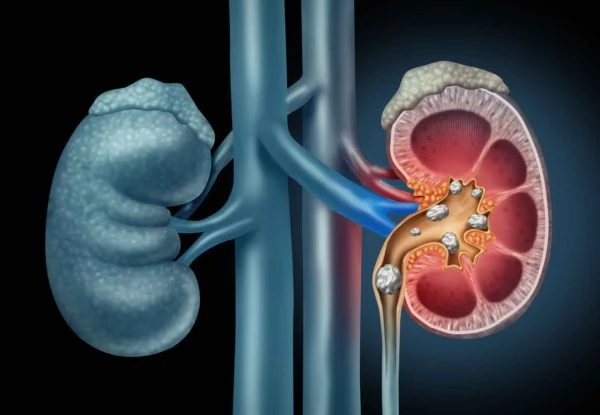
In contrast to the slow progression of CKD, Acute Kidney Injury (AKI) involves a sudden episode of kidney failure or damage that happens within a few hours or days. AKI is often triggered by severe dehydration, sepsis, or the use of nephrotoxic medications. While AKI can sometimes be reversed if treated promptly, it significantly increases the risk of developing CKD later in life. Other common conditions include Polycystic Kidney Disease (PKD), a genetic disorder characterized by the growth of numerous cysts in the kidneys, and Nephrolithiasis, or kidney stones, which can cause obstructive uropathy and lead to permanent scarring if left untreated.
A Chronology of Risk: The Pathophysiology of Kidney Damage
The progression of kidney disease follows a predictable chronology if risk factors remain unmanaged. The journey toward renal failure often begins decades before a diagnosis is made. The primary catalysts are hypertension and diabetes, which account for nearly two-thirds of all CKD cases globally.

In the early stages, high blood glucose levels in diabetics act as a toxin, damaging the delicate capillaries within the nephrons. Simultaneously, uncontrolled hypertension exerts excessive pressure on these small vessels, causing them to thicken and scar—a process known as glomerulosclerosis. As the number of functional nephrons decreases, the remaining units overwork to compensate, leading to further damage in a vicious cycle of hyperfiltration and exhaustion.
Lifestyle factors accelerate this chronology. High salt intake leads to fluid retention and increased blood pressure, while obesity places a higher metabolic demand on the kidneys. Smoking causes systemic inflammation and narrows the blood vessels in the kidneys, further reducing blood flow. In many developing healthcare landscapes, the chronic use of nephrotoxic drugs, particularly over-the-counter Non-Steroidal Anti-Inflammatory Drugs (NSAIDs) like ibuprofen and diclofenac, serves as a hidden accelerator of renal decline.
The Pharmacist as a Frontline Defense in Community Health
In the Nigerian healthcare ecosystem, community pharmacies often serve as the most accessible point of contact for the public. This puts pharmacists in a unique position to act as gatekeepers for renal health. The role of the pharmacist extends far beyond dispensing medication; it involves rigorous medication therapy management and renal dosing adjustments.
Pharmacists are trained to calculate creatinine clearance (CrCl) or eGFR before dispensing drugs that are primarily excreted through the kidneys. Many common medications, including metformin for diabetes, certain antibiotics like aminoglycosides, and various anticoagulants, require precise dose reductions in patients with impaired renal function to avoid drug accumulation and systemic toxicity.
Furthermore, pharmacists play a vital role in public education. By identifying "red flag" symptoms during routine consultations—such as persistent edema (swelling) in the feet or face, foamy urine (an indicator of proteinuria), or changes in urination frequency—pharmacists can facilitate early referrals to nephrologists. This early intervention can mean the difference between managing a condition with lifestyle changes and requiring life-long dialysis.
Data and Implications: The Socio-Economic Impact of Kidney Failure
The data surrounding kidney disease is sobering. According to the International Society of Nephrology, more than 850 million people worldwide are estimated to have some form of kidney disease. In Nigeria, research suggests that the prevalence of CKD is approximately 10-15% of the adult population, yet only a fraction of these individuals are aware of their status.
The economic implications are equally devastating. The cost of a single session of hemodialysis in Nigeria ranges significantly, and most patients require three sessions per week. For the average citizen, this cost is prohibitive, leading to high mortality rates within the first few months of an ESRD diagnosis. Furthermore, the clinical impact of kidney disease is inextricably linked to cardiovascular health. Patients with CKD are significantly more likely to die from a heart attack or stroke than they are to reach the stage of needing dialysis. This "cardiorenal syndrome" underscores the fact that kidney health is heart health.

Clinical Screening: The Necessity of Early Detection
Because early-stage kidney disease is asymptomatic, screening is the only reliable method for detection. Clinical guidelines suggest four primary tests for those at risk:
- Serum Creatinine and eGFR: A blood test that measures the level of creatinine, a waste product from muscle breakdown. This value is used to calculate the eGFR.
- Urinalysis for Proteinuria: The presence of albumin or protein in the urine is one of the earliest signs of kidney damage, indicating that the filtration barrier is leaking.
- Blood Pressure Monitoring: Persistent hypertension is both a cause and a consequence of kidney disease.
- Imaging: Ultrasounds can identify structural abnormalities, such as cysts, stones, or tumors.
For individuals with diabetes or hypertension, these checks should be performed at least annually. The medical community advocates for "integrated care," where primary care physicians, pharmacists, and specialists work in tandem to monitor these metrics.
Strategic Interventions and Lifestyle Modifications
Preventing kidney disease requires a multi-faceted approach to lifestyle. Hydration remains a cornerstone of renal health, as water helps the kidneys clear sodium and urea from the body. However, "better hydration" does not simply mean drinking more water; it means maintaining a consistent fluid intake while avoiding sugary beverages that contribute to obesity and insulin resistance.
Dietary modifications are equally vital. Reducing salt intake to less than 5 grams per day is recommended to manage blood pressure. The adoption of the DASH (Dietary Approaches to Stop Hypertension) diet, which is rich in fruits, vegetables, and low-fat dairy products, has been shown to slow the progression of renal decline. Additionally, the cessation of smoking and the limitation of alcohol consumption are non-negotiable for those looking to preserve their kidney function over a lifetime.
Conclusion: A Call for Advocacy and Policy Reform
The burden of kidney disease cannot be lifted through clinical treatment alone; it requires a robust public health response centered on advocacy and awareness. Initiatives such as World Kidney Day serve as vital platforms for driving community outreach and early detection campaigns. Healthcare providers must move from a reactive model of care—treating failure—to a proactive model of care—preserving function.
In conclusion, the kidneys are resilient but not invincible. Small lifestyle decisions made today, combined with vigilant screening by healthcare professionals, can determine the long-term health outcomes for millions. By prioritizing medication reviews, advocating for salt reduction, and ensuring that those at high risk are screened regularly, the healthcare community can mitigate the rising tide of renal failure and improve the quality of life for patients across the globe. The message is clear: early detection is not just a clinical goal; it is a fundamental pillar of survival.