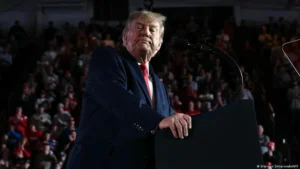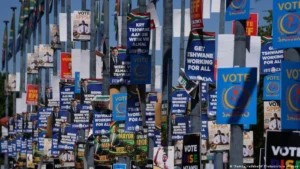
The resounding defeat of the Republican Party in the 2026 United States midterm elections has sent shockwaves through Washington, forcing a profound reassessment of the administration’s foreign policy, specifically the ongoing military engagement with Iran. President Donald Trump, in a rare admission of political vulnerability, acknowledged this week that the persistent conflict in the Middle East significantly contributed to his party’s electoral decline. As the administration grapples with the transition into a "lame-duck" phase, the intersection of domestic economic woes—primarily the inflationary pressure on energy prices—and a volatile theater of war has left the White House facing an unprecedented crisis of both policy and popularity.
The political reality facing the White House is stark: voters, clearly weary of the protracted military friction in the Gulf, signaled their dissatisfaction at the ballot box. While President Trump continues to defend the strategic necessity of his administration’s assertive posture against Tehran, he conceded in recent interviews that the American public has grown increasingly intolerant of the war’s direct impact on their household budgets, most notably at the gas pump.
A Chronology of Escalation
The current tensions are the culmination of months of calculated, yet volatile, brinkmanship. For much of the year, both the United States and Israel maintained a policy of restraint, delaying large-scale military operations until the completion of their respective election cycles. This period of "strategic patience" was intended to mitigate electoral fallout, but as the calendar turned toward late October, the restraint began to crumble.
Reports from the Wall Street Journal indicated that as early as late October, the Trump administration began signaling to Gulf state allies that a short, intense military campaign against Iranian infrastructure was imminent. This signaled a shift from the previous strategy of containment to one of active degradation of Iranian capabilities. The military buildup, characterized by the deployment of additional amphibious assault ships—such as the USS Bataan—to key strategic ports in the Eastern Mediterranean and the Gulf, underscored the seriousness of these preparations.
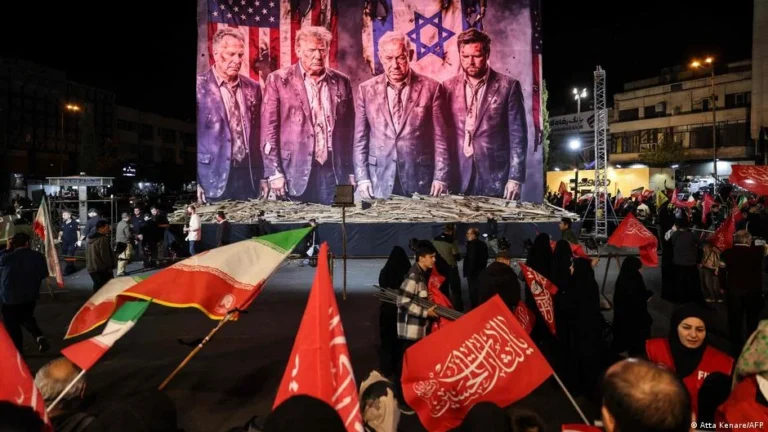
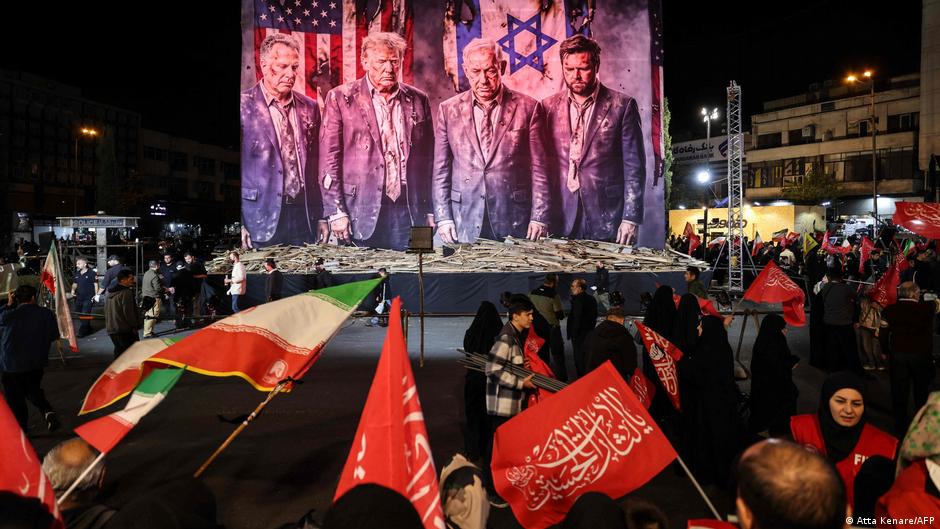
This cycle of violence has not been unilateral. Iranian leadership has signaled a departure from previous patterns of asymmetric warfare. Rhetoric from Tehran suggests a willingness to broaden the scope of conflict, targeting not just military installations, but regional energy grids, economic hubs, and, critically, the undersea data and telecommunications cables that serve as the backbone of the modern regional economy.
Economic and Strategic Implications
The economic ramifications of this conflict extend far beyond the borders of the Middle East. The global energy market remains hyper-sensitive to any disruption in the Strait of Hormuz, through which a significant percentage of the world’s oil supply flows. With domestic gas prices in the US fluctuating wildly in response to every headline regarding the conflict, the economic burden has translated directly into political capital for the opposition.
Data analysts tracking the midterms suggest that the "war tax"—the hidden cost of the conflict manifesting as higher energy prices—was a decisive factor in key swing districts. The correlation between the uptick in regional naval skirmishes and the decline in consumer confidence indices across the United States has been unmistakable. For the average voter, the abstract concept of "deterring Iran" proved less compelling than the tangible reality of increased costs for daily life.
The Lame-Duck Dilemma
Political science experts and foreign policy analysts are now highlighting the dangerous, if predictable, phenomenon of the "lame-duck" president. History demonstrates that when a leader loses control of the legislative branch and faces a term limit, they often turn toward the executive powers afforded to them in the realm of foreign policy. This domain allows for action that is largely insulated from the immediate oversight of a hostile Congress, at least until new members take their seats in the coming year.
According to a recent analysis in Foreign Affairs, presidents in their final years often seek to cement a legacy through unilateral international action. For the Trump administration, the temptation to "settle the score" with Tehran before vacating the Oval Office represents a significant risk. However, the President’s recent statements to media outlets, in which he expressed "no rush" to resume an intensive bombing campaign, suggest that the White House may be attempting to balance its hawkish impulses with the reality of its diminished political mandate.
Regional Perspectives and the Erosion of Alliances
The Gulf Cooperation Council (GCC) states find themselves in an increasingly precarious position. Long accustomed to the security umbrella provided by the United States, these nations are now questioning the reliability of that protection. Anwar Gargash, a prominent foreign policy adviser to the United Arab Emirates, articulated the growing regional frustration at the Manama Dialogue. "We find ourselves drawn within a crisis that we worked diplomatically very hard to try to avert," he stated, highlighting the urgent need for a "political off-ramp."
This sentiment is shared across the region. Saudi Arabia, currently managing a two-front security challenge—the ongoing conflict with Houthi rebels in Yemen and the broader threat from Iran—has begun to explore alternative defense architectures. The emergence of the Mecca defense pact, involving regional powers like Pakistan and Turkey, serves as a clear signal that the Gulf is moving toward a model of strategic autonomy.

The sentiment among regional experts is that the 2026 war may well be the "bookend" to the era of American regional dominance that began in 1991. Hasan Alhasan of the International Institute for Strategic Studies (IISS) notes that the perceived erratic nature of Washington’s military and diplomatic conduct has caused deep, perhaps permanent, disillusionment. The feeling that the US prioritizes its own interests—or the specific defense needs of Israel—over the stability of its Gulf partners has forced these nations to re-evaluate their reliance on US military bases.
The Inevitability of Geography
As the dust settles on the midterm results, a consensus is forming among regional experts: geography, not just ideology, will dictate the future of Middle Eastern security. Ryan Crocker, a former US ambassador, notes that the dream of a unified, pro-Western Gulf security front remains distant due to internal divisions within the GCC—specifically the lingering distrust following the 2017 diplomatic crisis and ongoing disagreements regarding Sudan and Yemen.
Instead, the long-term trend points toward a pragmatic, if uneasy, accommodation between the Gulf states and Iran. Ross Harrison of the Middle East Institute summarized this reality during a recent briefing, stating, "The Gulf states understand that they probably can’t buy their security only from Washington, and that they’re going to have to buy it, to some degree, by some kind of a relationship with Tehran. It’s inevitable. Geography reigns."
The path forward is fraught with risk. The primary concern for regional leaders remains the possibility of an accidental escalation that could render any attempt at a negotiated peace impossible. With the US political apparatus in flux and the Iranian leadership signaling that it views the current standoff as an existential threat, the window for diplomacy is narrow.
Conclusion
As the United States enters this transition period, the legacy of the 2026 midterm elections will be defined by the tension between a departing administration’s desire to project strength and the reality of a nation—and a region—demanding stability. The shift toward "strategic autonomy" in the Gulf is not merely a reaction to the current war, but a fundamental pivot in global power dynamics. Whether the incoming Congress can exert enough influence to moderate the administration’s remaining foreign policy moves remains to be seen. However, one thing is certain: the era in which the United States could dictate the terms of Middle Eastern security through force alone has entered its twilight. The future of the region will likely be defined by the complex, often contradictory, web of local alliances and the cold, hard reality of the map.