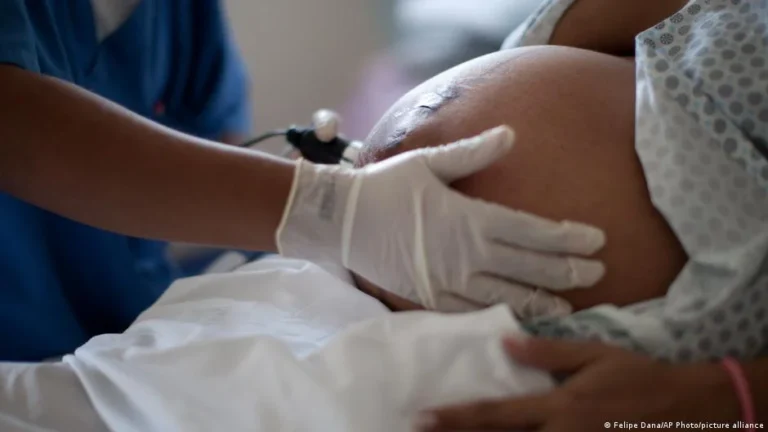
The phenomenon of birth tourism has witnessed a significant geographical shift as Russian nationals increasingly turn to Brazil as a sanctuary for securing global mobility for their children. Driven by the geopolitical fallout of the 2022 invasion of Ukraine and the subsequent tightening of visa restrictions across Europe and North America, thousands of Russian families are traveling to South American nations to leverage the principle of jus soli, or birthright citizenship. While Argentina was historically the primary destination for this demographic, Brazil has emerged as the new epicenter for families seeking to provide their offspring with a passport that grants visa-free access to a vast majority of the world’s nations.
The logistical undertaking is often immense. For many, such as Yulia and Dmitri—names altered for safety—the decision to travel while 32 weeks pregnant was a calculated maneuver to bypass the scrutiny of border officials. Like many others, they did not disclose their pregnancy upon arrival, fearing that any indication of an intent to give birth could lead to denied entry or heightened interrogation. Their daughter was born in a private clinic in the coastal city of Santos, marking the beginning of a bureaucratic process aimed at securing a Brazilian passport that they believe will insulate their child from the geopolitical constraints currently facing Russian citizens.
A Shifting Migration Landscape
The surge in Russian birth tourism is not merely a lifestyle choice but a reaction to a constrained international environment. Following the full-scale invasion of Ukraine in February 2022, the European Union moved to suspend visa facilitation agreements with Russia, leading to longer processing times, higher costs, and a significant increase in visa rejections for Schengen travel. For the Russian middle class, this effectively created a "mobility trap."
Argentina, which had long been a favored destination, effectively closed this loophole by tightening its immigration laws. The South American nation, which previously offered a relatively straightforward path to citizenship, introduced requirements for at least two years of residency and restricted access to state-funded healthcare for those lacking permanent residence permits. Data from the Russian news outlet RBC highlights the impact of these policy shifts: while over 7,000 Russians applied for residency in Argentina in 2023, that figure plummeted to approximately 1,800 by mid-2025. As the doors in Buenos Aires began to close, the focus of the migration flow shifted north to Brazil.
Chronology and Data Trends
The uptick in Russian arrivals in Brazil is reflected in the official issuance of travel documents. In 2024, approximately 500 Brazilian passports were issued to Russian nationals; by the following year, this figure exceeded 600. Notably, women account for more than 50% of these new citizens.
The city of Florianopolis, located in the state of Santa Catarina, has become a focal point for this migration. Local health authorities have tracked a steady increase in prenatal consultations involving Russian women. In the first half of 2025 alone, 119 Russian women utilized these services, a significant jump compared to the 136 total recorded for the entirety of 2025. This localized concentration has fostered an informal support network, with earlier arrivals acting as facilitators for newcomers, helping them navigate the intricacies of local medical systems, housing markets, and administrative requirements.
The Business of Birth Tourism
The growth of this movement has catalyzed a specialized, albeit informal, service industry. Intermediaries, often Russian expatriates who have settled in Brazil, charge thousands of dollars to guide expectant parents through the process. These services include language translation, the identification of suitable medical facilities, and assistance with the complex documentation required to register a child as a Brazilian citizen.
However, this industry faces growing challenges as Brazilian authorities begin to exert tighter control. Reports from legal experts and community volunteers suggest that in cities like Florianopolis, officials are implementing more rigorous checks. Police are increasingly verifying the legitimacy of residential addresses provided by foreign nationals to ensure that individuals are not using temporary rental properties as a facade for permanent residency claims. Despite these increased checks, there is no evidence of a systematic policy to block entry to pregnant Russian women. Brazilian border authorities maintain that entry decisions are made on a case-by-case basis, with pregnancy not being an automatic grounds for refusal.
Official Responses and Legal Realities
The anxiety surrounding the potential for mass entry denial reached a peak in July 2025, following reports by the Russian Telegram channel Baza, which claimed that 10 pregnant Russian women had been deported from Brazil. This report, which was widely disseminated, was refuted by Brazilian law enforcement. The Brazilian police clarified to international observers that any instances of denied entry were based on concerns regarding financial solvency or documentation, rather than the pregnancy status of the traveler.

One documented case, however, highlights the risks involved. A pregnant Russian woman was initially denied entry, only to be permitted access after the intervention of legal counsel. Court records indicated that border authorities held specific concerns regarding how the woman intended to finance her stay, reinforcing the notion that while Brazil remains open to migrants, it maintains strict standards regarding economic self-sufficiency.
Long-term Implications for Families
For parents like Yana, who gave birth in a public hospital in Florianopolis, the motivations are deeply rooted in a desire for their children to have an open future. After spending three years in Brazil and learning the language, Yana reflects on the experience as a form of global insurance. Even after moving on to other countries, her family maintains a connection to their son’s birthplace, reading books in Portuguese and emphasizing the importance of his dual identity.
The implications for the families are twofold: they gain the immediate security of a, which facilitates global movement, and they open a pathway for themselves. Under Brazilian law, the parents of a child born in the country can apply for a residence permit, which can be processed within a year under specific conditions. For many, this represents a potential long-term exit strategy from the uncertainties of the Russian political and economic climate.
Broader Socio-Economic Analysis
The influx of Russian nationals into Brazil is a microcosm of a broader, global trend where middle-to-upper-class families use "birth tourism" to navigate the limitations of their home countries’ passports. While the economic impact on Brazil is generally positive—as these families bring capital and often stay for extended periods to complete the birth and registration process—it also places pressure on local infrastructure, particularly in cities that have become popular hubs.
Furthermore, the trend highlights the friction between national sovereignty and the right to mobility. As nations like Argentina and, to a lesser extent, Brazil adjust their immigration policies, the "easy" routes to global citizenship are becoming increasingly narrow. For the Russian diaspora, the focus has shifted from mere relocation to a strategic acquisition of rights. Whether the Brazilian government will eventually follow the path of Argentina in placing further restrictions on birthright citizenship remains a subject of ongoing debate. For now, however, the country remains a key node in the migration map, offering a promise of stability to those willing to navigate the legal and logistical hurdles of building a life—or at least an identity—halfway across the world.