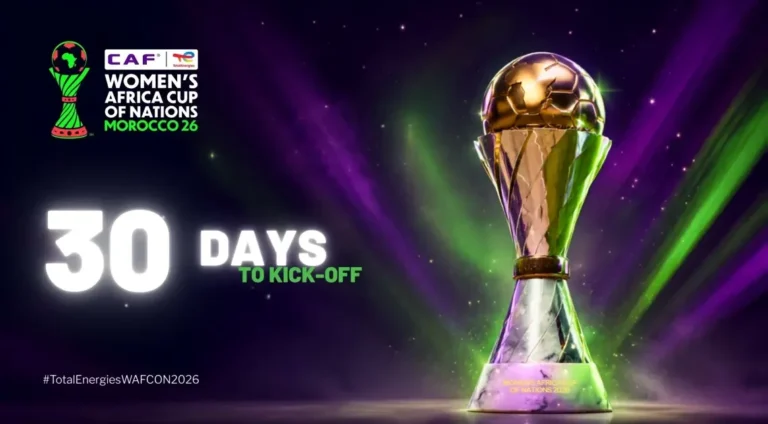
The eleventh edition of the Women’s Africa Cup of Nations (WAFCON) is set to commence in Morocco, marking a significant milestone for women’s football on the continent. This prestigious tournament will see sixteen of Africa’s finest national teams compete not only for continental supremacy but also for the coveted qualification spots for the 2027 FIFA Women’s World Cup, which is scheduled to be hosted in Brazil. The stakes are exceptionally high, with the finalists earning direct berths to the global showpiece, amplifying the intensity and significance of every match.
ESPN Africa, a leading sports media entity, has published its comprehensive pre-tournament rankings, meticulously assessing the potential of each participating nation. These rankings serve as a crucial barometer, offering insights into the perceived strengths and weaknesses of the contenders as they embark on their quest for glory in the vibrant footballing landscape of Morocco. The tournament, which has a rich history of showcasing burgeoning talent and fierce competition, is poised to deliver another captivating spectacle of skill, determination, and passion.
Historical Context and Evolution of WAFCON
The Women’s Africa Cup of Nations, established in 1991, has evolved dramatically over the decades. Initially a smaller affair, it has grown in stature and competitiveness, mirroring the global surge in women’s football. This year’s edition, with sixteen teams participating, represents the largest field in the tournament’s history, underscoring its expanding reach and importance. Morocco’s hosting of the event for the third consecutive time also highlights its commitment to fostering women’s football and providing a strong platform for African talent. The increased number of participating teams signifies a healthier and more competitive development across the continent’s federations.
The Contenders: A Ranked Analysis of WAFCON Aspirants
ESPN Africa’s rankings paint a clear picture of the perceived hierarchy among the sixteen teams, from the overwhelming favorites to the spirited underdogs. The analysis considers factors such as squad depth, current form, historical performance, coaching acumen, and the presence of star players.
Tier 1: The Title Favorites
1. Nigeria 🇳🇬
The Super Falcons of Nigeria stand as the undisputed team to beat. As the defending champions and record 10-time winners, their pedigree in WAFCON is unmatched. Nigeria boasts a formidable squad, characterized by its depth, a winning mentality forged through years of success, and an unparalleled history in the competition. Their dominance has set a high bar, and anything less than an eleventh WAFCON title would undoubtedly be viewed as a significant disappointment. The Super Falcons’ consistent performance at the highest level of African women’s football makes them a formidable force, and their experience in navigating high-pressure tournament environments is a distinct advantage. Their squad typically features a blend of seasoned veterans and promising young talents, ensuring a potent mix of experience and dynamism.
2. Morocco 🇲🇦
Playing on home soil for the third consecutive WAFCON tournament, Morocco carries a potent combination of quality, momentum, and the fervent support of their home crowd. Led by the talismanic Ghizlane Chebbak, who was recently crowned African Women’s Footballer of the Year, the Atlas Lionesses are expected to mount a serious challenge for the title. The advantage of playing in front of supportive fans cannot be overstated, often providing an extra surge of energy and determination. Morocco’s recent investments in women’s football infrastructure and development programs have yielded tangible results, propelling them into the top echelon of African women’s national teams. Their tactical discipline and the individual brilliance of players like Chebbak make them a dangerous opponent for any team.
3. South Africa 🇿🇦
Banyana Banyana, the reigning African champions from the previous WAFCON edition, remain firmly entrenched among Africa’s elite. They possess a well-balanced squad and benefit from the experienced leadership of coach Desiree Ellis, a highly respected figure in African women’s football. The return of star striker Thembi Kgatlana adds significant firepower to their attacking unit, making them a team capable of going all the way to the final. South Africa’s journey to their first WAFCON title in 2022 was a testament to their resilience and talent, and they will be eager to defend their crown and solidify their status as a continental powerhouse. Their tactical flexibility and ability to adapt to different opponents are key strengths.
Tier 2: Strong Contenders and Potential Dark Horses
4. Ghana 🇬🇭
The Black Queens have shown a remarkable resurgence under the guidance of coach Kim Bjorkegren. A compelling blend of experienced campaigners who bring valuable tournament knowledge and exciting young talents eager to make their mark positions Ghana as one of the tournament’s strongest contenders. Their tactical approach and improved cohesion have been evident in their recent performances. Ghana’s historical legacy in women’s football, coupled with their current form, suggests they are a team that other nations will need to take seriously. The development of their youth academy systems and the integration of new talent have revitalized the squad, creating an exciting dynamic.
5. Zambia 🇿🇲
With electrifying stars like Barbra Banda and Rachael Kundananji leading the line, Zambia boasts one of the most potent and feared attacks in Africa. While defensive frailties have been a concern in the past, their offensive prowess is undeniable and has the potential to dismantle any defense. Their ability to score goals in bunches makes them a threat to go deep into the tournament. Zambia’s journey in recent tournaments has showcased their attacking flair, and if they can achieve greater defensive solidity, they will be a formidable force. The partnership between Banda and Kundananji is one of the most exciting attacking duos on the continent, capable of producing moments of magic.
6. Senegal 🇸🇳
Senegal made an impressive statement in the previous WAFCON tournament, demonstrating their ability to compete at the highest level. They remain a difficult opponent for any team, characterized by their experienced squad and direct, assertive style of play. Their tactical discipline and ability to exploit opponents’ weaknesses could prove disruptive in Morocco. Senegal’s consistent improvement and their ability to grind out results make them a dark horse capable of causing upsets. Their physical presence and organized defense are key attributes that make them a tough team to break down.
7. Algeria 🇩🇿
Under the tutelage of Farid Benstiti, Algeria has shown a steady upward trajectory. Their disciplined defense and tactical organization are hallmarks of their game, making them a strong contender and a potential dark horse in this year’s WAFCON. They are a team that plays with structure and commitment, often frustrating opponents with their resilience. Algeria’s tactical maturity and their ability to execute game plans effectively have seen them emerge as a more competitive force in African women’s football. Their progress signifies a growing investment in the sport within the country.
8. Cameroon 🇨🇲
While perhaps not the dominant force they once were, the Indomitable Lionesses of Cameroon remain a competitive and experienced unit. Their historical pedigree and the presence of seasoned players mean they possess the capability to surprise stronger opponents and make deep runs in the tournament. Cameroon’s experience in major tournaments and their tenacious playing style make them a team that should never be underestimated. They often rely on their physical strength and a strong defensive organization to frustrate opponents and create scoring opportunities.
Tier 3: Emerging Teams and Potential Surprises
9. Ivory Coast 🇨🇮
Making their return to WAFCON after a 12-year absence, the Ivorians arrive with a palpable sense of confidence, bolstered by their athleticism and attacking quality. They have the potential to emerge as one of the tournament’s surprise packages, capable of unsettling more established teams. Ivory Coast’s return signifies a renewed focus on women’s football development, and their blend of physicality and attacking intent could prove a handful for many opponents. Their renewed presence in the tournament is a positive sign for the growth of the game in the region.
10. Mali 🇲🇱
Despite a dip in recent form, Mali possesses enough individual quality and a contingent of European-based players to compete effectively for a knockout-stage berth. Their technical ability and the experience gained by their overseas players can be a significant asset. Mali’s challenge will be to harness this individual talent into cohesive team performances throughout the tournament. Their potential lies in the moments of brilliance their star players can produce, which can often turn the tide of a match.
11. Egypt 🇪🇬
Returning to WAFCON after a decade-long hiatus, Egypt is a team in a rebuilding phase. While still developing, they have demonstrated encouraging signs of progress. For the Pharaohs, successfully navigating the group stage would represent a significant achievement and a positive indicator of their growing capabilities. Egypt’s participation is a testament to their renewed commitment to women’s football, and their progress will be closely watched. Their performance will be measured by their ability to compete effectively against more experienced teams.
12. Burkina Faso 🇧🇫
Burkina Faso secured their qualification comfortably, showcasing a well-organized and disciplined side. However, they may find it challenging to overcome the might of Africa’s strongest teams. Their tactical discipline and ability to remain compact will be key to their success. Burkina Faso’s emergence as a qualified team highlights the growing depth of talent across the continent. Their challenge will be to translate their organization into consistent results against top-tier opposition.
Tier 4: The Underdogs
13. Cape Verde 🇨🇻
Making their debut in the WAFCON tournament, Cape Verde has already achieved a significant milestone by qualifying. Their attacking spirit and unpredictable nature could lead to a few surprises, despite their limited experience on this stage. The island nation’s qualification is a story of determination and passion for the sport. Their success will be measured by their ability to compete and learn from the experience, potentially laying the groundwork for future success.
14. Tanzania 🇹🇿
Tanzania is known for its disciplined approach and ability to be difficult to break down. However, they may lack the star quality required to consistently challenge the tournament’s heavyweights. Their strength lies in their collective organization and resilience. Tanzania’s participation signifies their growing presence in African women’s football, and their ability to frustrate opponents will be their primary weapon. They aim to be a tough defensive unit that punches above its weight.
15. Malawi 🇲🇼
The presence of the Chawinga sisters, Tabitha and Temwa, provides Malawi with a genuine attacking threat. However, as tournament newcomers, they face a daunting group and may struggle with squad depth against more established teams. Their success will depend heavily on the individual brilliance of their key players. Malawi’s debut is a historic moment for the nation, and their performance will be judged on their ability to compete and gain valuable experience.
16. Kenya 🇰🇪
Returning to WAFCON after a 10-year absence is a significant achievement for Kenya. However, their limited experience at this elite level positions them as the tournament’s biggest underdogs. Their primary goal will be to gain valuable experience and showcase their development. Kenya’s return to the WAFCON stage is a testament to their efforts in rebuilding their women’s football program. Their performance will be a learning curve, with the hope of building for the future.
FIFA Women’s World Cup Qualification Pathway
The WAFCON tournament serves as the primary qualification pathway for CAF (Confederation of African Football) nations to the FIFA Women’s World Cup. In recent cycles, Africa has typically secured two direct qualification spots for the Women’s World Cup, with an additional spot often available through inter-confederation play-offs. For the 2027 tournament in Brazil, the finalists of WAFCON will earn direct berths. This structure ensures that the WAFCON final becomes a match of immense consequence, not just for continental bragging rights but for a place on the global stage. The increased number of participating teams in WAFCON this year also reflects FIFA’s efforts to expand the global reach of women’s football, potentially leading to more qualification opportunities in the future.
Broader Impact and Implications
The Women’s Africa Cup of Nations is more than just a football tournament; it is a powerful platform for promoting gender equality, empowering women, and inspiring young girls across the continent. The increased visibility and media coverage generated by WAFCON can lead to greater investment in women’s football, improved infrastructure, and enhanced opportunities for female players, coaches, and administrators. The success of African teams on the international stage, such as South Africa’s historic WAFCON triumph in 2022 and Nigeria’s consistent presence at the Women’s World Cup, continues to inspire a new generation of athletes.
Furthermore, hosting the tournament in Morocco provides an economic boost to the host nation and showcases its commitment to sports development and tourism. The passionate fan base expected to turn out in support of their national teams will undoubtedly contribute to a vibrant and electric atmosphere. The narratives that emerge from WAFCON, from underdog stories to the rise of new stars, resonate deeply within communities and beyond, fostering national pride and a sense of unity. The tournament’s progression will be closely monitored by football federations across Africa, as it sets the benchmark for women’s football development and provides valuable insights into the evolving landscape of the sport on the continent. The outcomes will undoubtedly shape the future trajectory of women’s football in Africa for years to come.