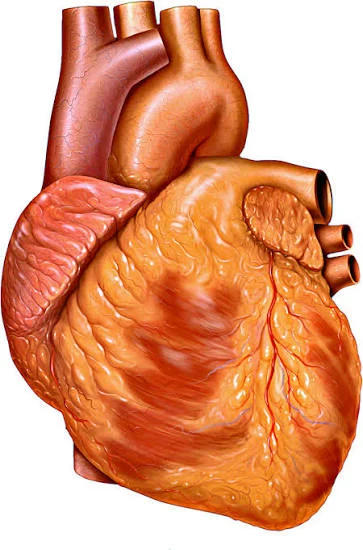
The age of forty is frequently celebrated as a significant life milestone, yet from a clinical perspective, it represents a critical juncture for cardiovascular surveillance and intervention. By this stage in the human life cycle, decades of accumulated lifestyle choices—ranging from dietary patterns and physical activity levels to chronic stress, sleep quality, and systemic blood pressure management—have begun to leave an indelible imprint on the cardiovascular system. While the heart does not suddenly become susceptible to pathology upon entering middle age, the cumulative physiological "debt" of previous years often manifests during this period, making it a definitive window for preventive medicine.
The Global Burden of Cardiovascular Disease
The urgency of addressing heart health at this stage is underscored by sobering global health statistics. Cardiovascular disease (CVD) remains the leading cause of mortality worldwide. According to data from the World Health Organization (WHO), approximately 19.8 million individuals succumbed to cardiovascular-related conditions in 2022, accounting for 32 percent of all global deaths. The epidemiological landscape is particularly concerning in low- and middle-income countries, where more than 75 percent of these fatalities occur. These figures illustrate that heart health is not merely a personal concern but a major global public health crisis that requires a shift from reactive treatment to proactive, life-course-based management.
The Physiology of Cardiovascular Aging
To understand why the age of 40 serves as a clinical threshold, one must examine the biological changes inherent to the aging heart. As an individual progresses through their fourth and fifth decades, the vascular architecture undergoes structural modifications. Arteries typically experience a loss of elasticity, a condition known as arterial stiffness. This reduced compliance forces the heart to work harder to circulate blood, as the vessels can no longer expand and contract with the efficiency of youth.
Concurrently, the heart’s intrinsic ability to respond to acute physical or psychological stress—often measured as cardiac reserve—begins to decline. While these changes are considered a standard component of biological aging, they are significantly exacerbated by the "multi-morbidity" of modern life. When these natural age-related shifts intersect with chronic conditions such as dyslipidemia (high cholesterol), insulin resistance, or sustained systemic hypertension, the "vascular age" of an individual may far exceed their chronological age.
Chronology of Risk Accumulation
The development of cardiovascular disease is rarely an acute event; rather, it is a chronic, progressive process.
- The First Three Decades: During the 20s and 30s, subclinical damage—often referred to as "silent atherosclerosis"—begins to develop, particularly in those with sedentary habits or high-sodium diets.
- The Milestone (Age 40): This serves as the primary screening window where blood pressure, glucose, and lipid profiles should be rigorously assessed to identify latent risks.
- The Middle Years (45–60): The cumulative impact of previously ignored risk factors often results in the clinical onset of heart failure, stable angina, or initial hypertensive events.
- Late Adulthood (65+): Without early intervention, the risk of stroke, myocardial infarction, and chronic kidney disease rises exponentially.
The Silent Crisis of Hypertension
Perhaps the most significant threat to the aging heart is hypertension, frequently dubbed the "silent killer" because it often presents without overt symptoms until significant organ damage has occurred. Recent estimates from the WHO indicate that 1.4 billion adults between the ages of 30 and 79 suffered from hypertension in 2024. Alarmingly, approximately 44 percent of these individuals remain entirely unaware of their condition.
In regions such as Nigeria, the data remains particularly concerning. Prevalence studies, including a comprehensive 2026 systematic review and meta-analysis of over 49,000 Nigerian adults, suggest a pooled hypertension prevalence of 34.2 percent. This high prevalence is compounded by challenges in diagnostic access and public awareness. Persistent hypertension exerts chronic mechanical strain on the arterial walls, leading to left ventricular hypertrophy and microvascular damage, which eventually precipitates heart failure and stroke.

The Essential Framework for Prevention
The American Heart Association (AHA) has codified a robust evidence-based framework to address these risks, known as "Life’s Essential 8." This metric serves as a gold-standard guide for adults approaching and exceeding middle age. The eight pillars are:
- Nutritional Intake: Prioritizing whole foods, plant-based proteins, and minimizing processed sugars and sodium.
- Physical Activity: Engaging in at least 150 minutes of moderate-intensity or 75 minutes of vigorous-intensity aerobic exercise per week.
- Nicotine Avoidance: The complete cessation of all tobacco and vaping products, which are primary drivers of endothelial dysfunction.
- Weight Management: Maintaining a body mass index (BMI) within a healthy range to mitigate metabolic strain on the heart.
- Lipid Management: Monitoring and controlling cholesterol levels, particularly low-density lipoprotein (LDL).
- Glycemic Control: Maintaining stable blood glucose levels to prevent the vascular inflammation associated with diabetes.
- Blood Pressure Regulation: Keeping readings within the healthy range through lifestyle modification or, where necessary, pharmacotherapy.
- Sleep Hygiene: Acknowledged as a critical new pillar, adults are advised to obtain seven to nine hours of quality sleep to facilitate cardiovascular recovery.
Clinical Implications and Expert Perspectives
Medical experts emphasize that the age of 40 should not be viewed as a "deadline" for health, but rather as an opportunity for recalibration. The goal of medical intervention at this stage is to identify "pre-disease" states—such as pre-hypertension or impaired fasting glucose—before they progress into irreversible organ damage.
"The heart serves as a historical record of our lifestyle," notes one cardiology researcher. "By the time a patient reaches 40, they have the opportunity to rewrite the trajectory of their cardiovascular health. The damage that has occurred is often manageable, and the damage that has not yet occurred is largely preventable."
For patients already diagnosed with chronic conditions, the implications are clear: adherence to medical protocols is non-negotiable. Modern pharmacology, when combined with lifestyle modifications, has proven remarkably effective in halting the progression of cardiovascular decline. However, the efficacy of these treatments is highly dependent on early detection.
Broader Public Health Impact
The societal implications of a healthier middle-aged population are profound. Reducing the incidence of cardiovascular events among those in the 40–60 age bracket would not only alleviate the crushing economic burden on healthcare systems but would also enhance global labor productivity and quality of life.
Governments and public health agencies are increasingly tasked with creating environments that facilitate these lifestyle changes. This includes policy interventions such as the reduction of sodium in processed foods, the creation of accessible public green spaces for physical activity, and the implementation of widespread community-based blood pressure screening programs.
In summary, the transition into the fifth decade of life should be marked by a heightened commitment to cardiovascular vigilance. By integrating the "Essential 8" framework, prioritizing regular diagnostic screening, and acknowledging the cumulative nature of heart health, individuals can transition through middle age with a significantly reduced risk of cardiovascular catastrophe. The history of the heart is being written every day; the choices made at 40 determine the health of the chapters that follow.