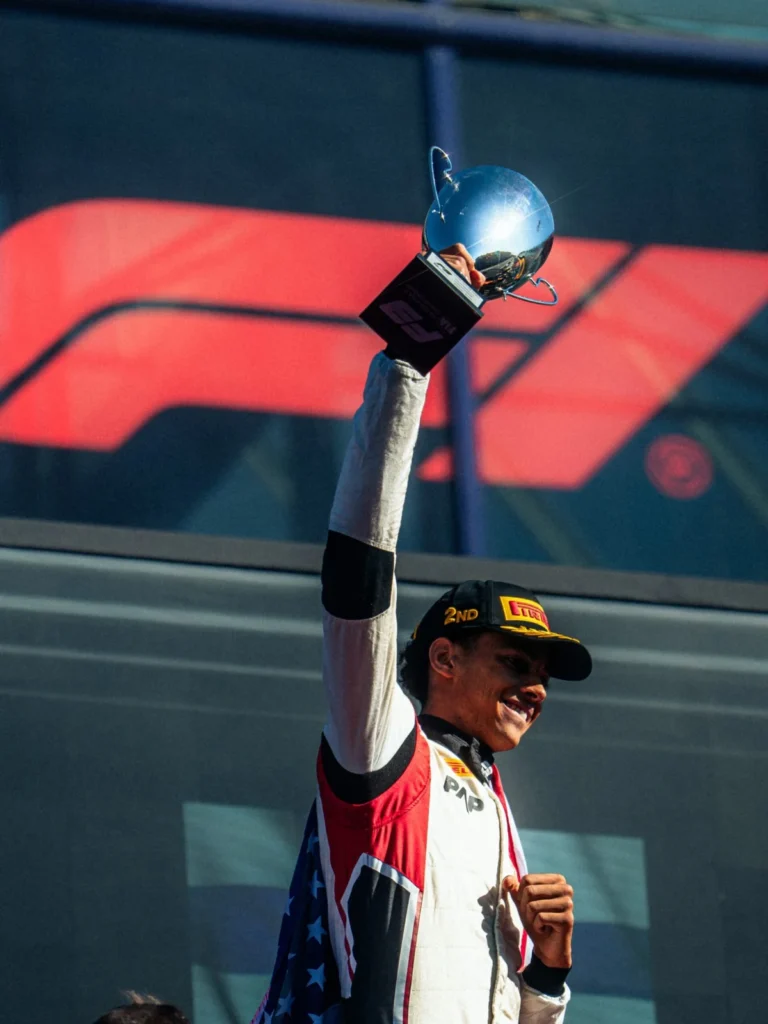
The landscape of international motorsport shifted irrevocably on September 13, 2026, when 19-year-old rising star Ugo Ugochukwu crossed the finish line at the Spanish Grand Prix in Madrid to secure the FIA Formula 3 Championship. In doing so, the New York-born driver carved his name into the history books as the first American ever to claim the prestigious junior single-seater crown. Representing Campos Racing, Ugochukwu navigated a high-pressure season finale at the newly established Madring circuit, transforming years of dedication, intensive karting success, and junior formula development into a watershed moment for American open-wheel racing.
Born to legendary Nigerian supermodel Oluchi Onweagba and Italian fashion designer Luca Orlandi, Ugochukwu’s multicultural background has positioned him as a global sporting icon. Yet, it is his sheer tenacity on the asphalt that has captured the attention of the motorsport fraternity. His championship victory is not merely a personal triumph, but the culmination of a meticulously planned career trajectory that bridges continents, drawing fervent support from both the United States and the African continent, where his mother’s heritage remains a profound source of pride.
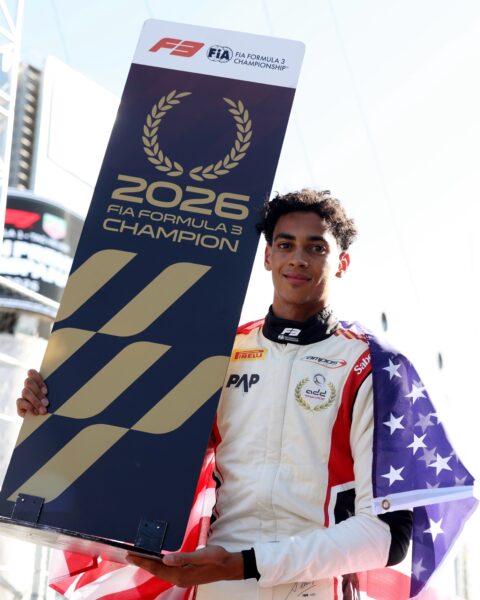
A Calculated Finale in Madrid
The championship battle came down to the wire at the season-ending feature race in Madrid, where Ugochukwu entered the weekend locked in a fierce, dead-heat tie on points with his primary title rival, British driver Freddie Slater. The psychological and physical demands of the final weekend tested the resilience of every driver on the grid. However, Campos Racing provided Ugochukwu with machinery capable of withstanding the relentless pressure of a championship showdown.
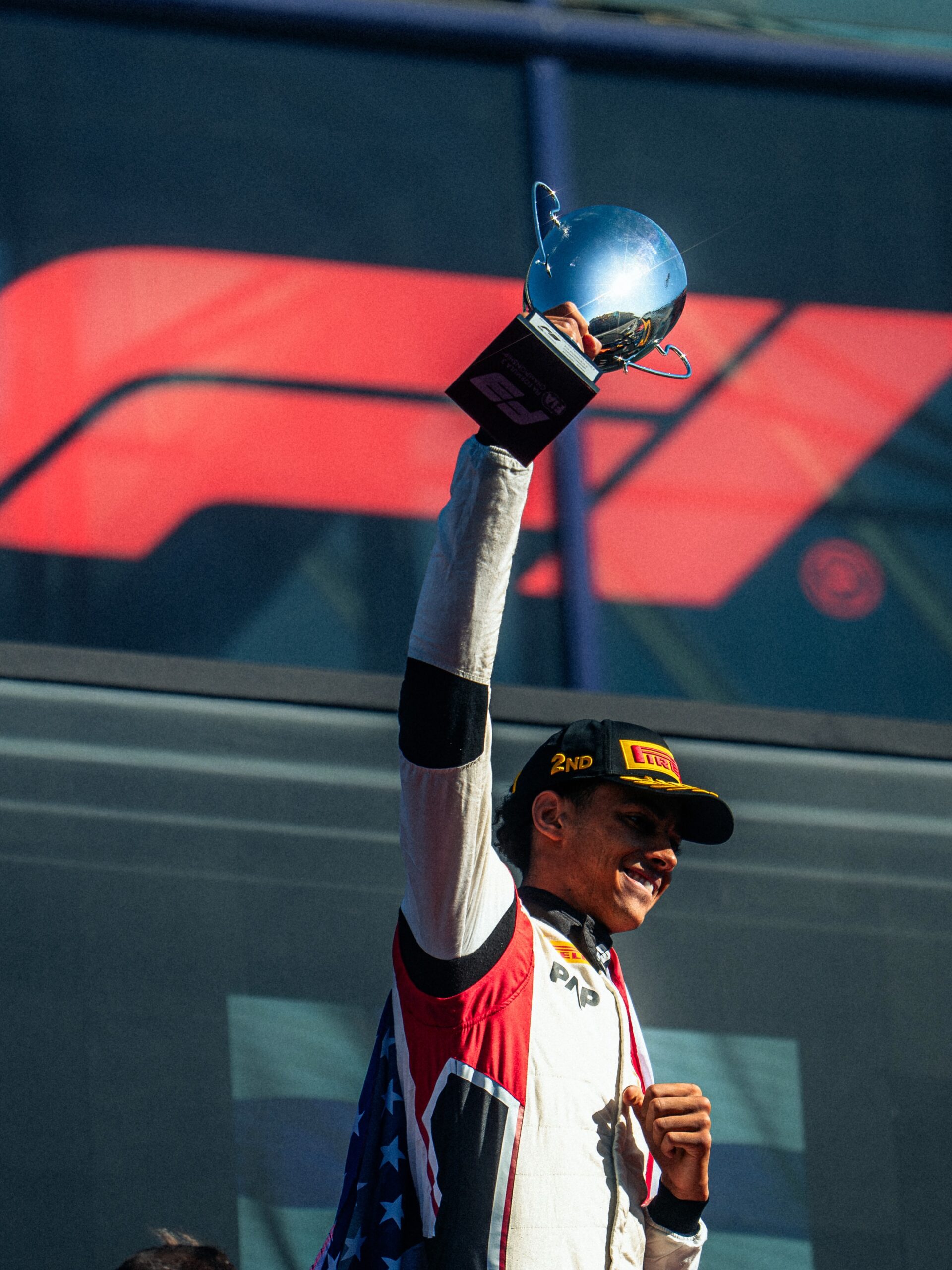
When the lights went out for the final feature race, Ugochukwu adopted a mature, calculated driving strategy. Rather than engaging in reckless combat for the lead that could jeopardize his finishing position, he managed his Pirelli tires and defended his track position with tactical precision. Crossing the checkered flag in second place behind race winner Tuukka Taponen was more than enough to seal his destiny. Ugochukwu secured the championship with a final tally of 159 points, comfortably ahead of Slater’s 145 points. This P2 podium finish in Madrid was the crowning jewel of a season defined by remarkable consistency, featuring two race victories and an impressive total of seven podium appearances.
The Road to Glory: A Tale of Resilience
Ugochukwu’s journey to the 2026 title was characterized by steep learning curves and an extraordinary capacity for adaptation. His rookie campaign in the FIA Formula 3 Championship had proved to be a challenging initiation into the hyper-competitive world of international single-seaters, concluding with a modest 16th-place finish in the overall drivers’ standings.

Rather than letting the difficulties of his debut year derail his ambitions, Ugochukwu and his engineering team undertook a rigorous post-season analysis. They dissected telemetry data, refined his racecraft, and improved his qualifying pace. The fruits of this labor were evident from the very first round of the 2026 season. Ugochukwu established himself at the sharp end of the grid immediately, setting a relentless pace that he maintained through varied European circuits, unpredictable weather conditions, and high-stakes street tracks. His sophomore turnaround stands as a masterclass in athletic resilience, demonstrating the mental fortitude required to transition from a midfield contender to an elite champion.
Statistics and Technical Implications
Beyond the immediate glory of the trophy, Ugochukwu’s championship triumph carries massive technical and strategic implications for his professional career. Under the stringent regulations governing the FIA Global Pathway, winning the Formula 3 title awards the victor 30 FIA super licence points. This acquisition brings Ugochukwu significantly closer to the mandatory 40-point threshold required to secure a full race seat in Formula 1.
Furthermore, FIA championship rules dictate that reigning Formula 3 champions are barred from returning to defend their crown, forcing a mandatory progression up the motorsport ladder. For Ugochukwu, this rule clears a direct path toward the FIA Formula 2 Championship—the final antechamber to the pinnacle of motorsport, Formula 1. Industry analysts and talent scouts have already begun speculating about which Formula 1 academy or team will snap up the young American for their F2 program, recognizing that his trajectory is now firmly pointed toward the elite grid.
Reactions and Industry Perspectives
The historic nature of the victory sent shockwaves through the global sporting community. Motorsport governing bodies, former drivers, and international media outlets praised the teenager’s maturity under pressure.
Campos Racing team principal expressed immense pride in their driver’s development, noting that Ugochukwu’s technical feedback and calm demeanor during high-stress weekends played a vital role in securing the team’s championship aspirations. "Ugo has shown a level of maturity that belies his nineteen years," team insiders remarked following the race. "His ability to process complex data, manage races from the front, and execute when the pressure is at its absolute peak is the hallmark of a future world champion."
Meanwhile, reactions from the United States motorsport community have been overwhelmingly enthusiastic. American open-wheel racing has long sought a dominant, homegrown protagonist capable of making a sustained impact on the European-dominated Formula 1 ladder. Ugochukwu’s historic title serves as a beacon for a new generation of American drivers, proving that talent nurtured in domestic karting can successfully conquer the FIA pyramid. Simultaneously, celebrations erupted across Nigeria and the wider African continent, where sports fans have passionately tracked every milestone of his rise, celebrating him as a global ambassador of African excellence.
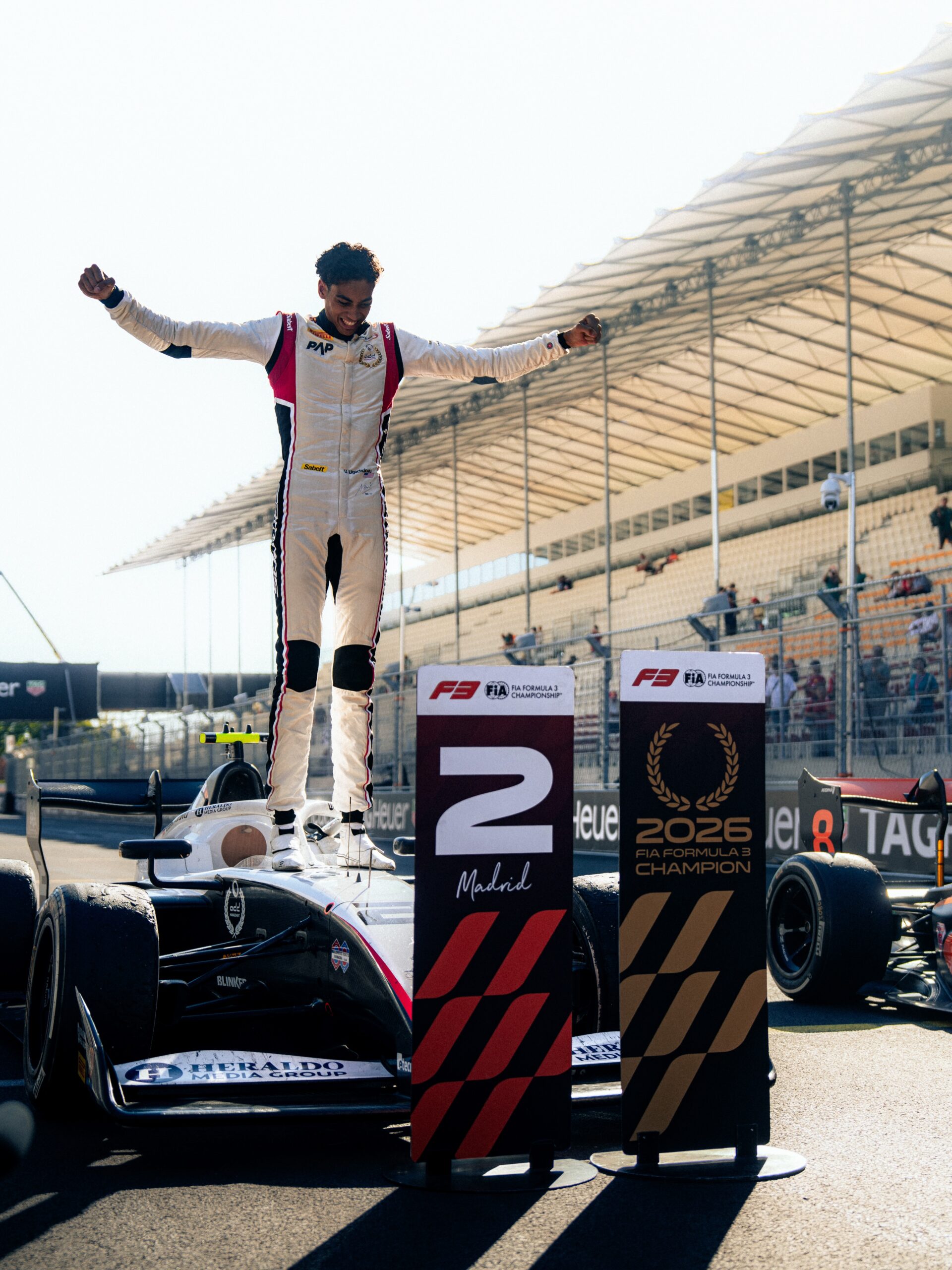
Broader Impact on Global Motorsport
Ugochukwu’s championship victory represents a pivotal moment in the ongoing globalization of motorsport. As Formula 1 experiences an unprecedented surge in popularity across the United States—bolstered by multiple grands prix and a burgeoning domestic fanbase—the absence of a competitive American race-winner on the grid had remained a glaring anomaly. Ugochukwu’s ascension to F3 supremacy effectively bridges that gap.
By achieving success through the stringent, highly competitive European junior formula system rather than relying solely on domestic development series, Ugochukwu has validated his capability to compete against the absolute best young talent in the world. His dual heritage—blending Italian design aesthetics, American athletic infrastructure, and Nigerian resilience—positions him uniquely in a sport increasingly driven by international brand identity and cross-cultural appeal.
As the celebrations in Madrid subside and the reality of his historic achievement sets in, Ugo Ugochukwu stands on the threshold of a new era. With his sights now firmly set on Formula 2 and the ultimate horizon of Formula 1, the young American has permanently altered the history books of the FIA Formula 3 Championship, signaling to the world that a new titan of the track has arrived.