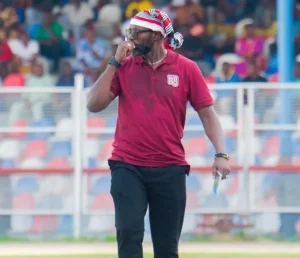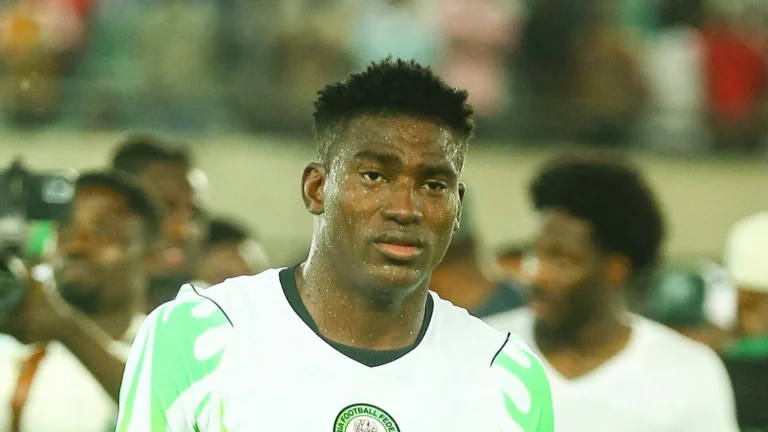
The announcement marks a pivotal moment in Nigeria’s qualifying campaign for the 2027 Africa Cup of Nations, which will be jointly hosted by Kenya, Tanzania, and Uganda. Currently sitting in second place in Group L, the Super Eagles find themselves in a precarious position where only the group winner is guaranteed a spot in the continental showpiece. This high-stakes environment has intensified the scrutiny surrounding coach Eric Chelle’s selection process, particularly regarding the notable absences of several high-profile stars.
The Strategic Roster Selection
Coach Chelle’s 24-man squad reflects a blend of seasoned leadership and emerging talent, aimed at navigating the tactical complexities of the upcoming fixtures. Captain Wilfred Ndidi, currently plying his trade with Beşiktaş, headlines a midfield unit that also features Fulham’s creative maestro Alex Iwobi and the versatile Alhassan Yusuf.
In the defensive third, the absence of veteran consistency is mitigated by the inclusion of established figures such as Calvin Bassey, Ola Aina, and Semi Ajayi. The goalkeeping department will be guarded by a trio comprising Charlton Athletic’s Arthur Okonkwo, Omonia’s Francis Uzoho, and Chippa United’s Stanley Nwabali, who has become a fan favorite following his impressive displays in recent international outings.
However, the headline news remains the omission of marquee names. Victor Osimhen, arguably Nigeria’s most lethal attacking asset, is sidelined following knee surgery. His absence, compounded by the exclusion of Kelechi Iheanacho—despite his prolific 17-goal tally in the Turkish second division—has left a vacuum in the center-forward position. Additionally, the omission of Udinese’s Maduka Okoye underscores a broader shift in the technical staff’s preference for current form over reputation.
Chronology of the Group L Campaign
The road to the 2027 tournament has been fraught with challenges. The Super Eagles opened their campaign with high expectations, yet the competitive nature of Group L has turned each match into a "must-win" scenario.
- November 13, 2026: Nigeria faces Tanzania at the Godswill Akpabio Stadium in Uyo. This home fixture is viewed as the definitive turning point for the Eagles. Given the limited margin for error in the qualification format, securing three points on home soil is paramount for morale and standing.
- November 17, 2026: The return leg takes place at the Amman Stadium in Zanzibar. Playing away from home in a hostile environment will test the depth of Chelle’s squad and their ability to adapt to varying playing surfaces and climatic conditions.
The schedule provides little recovery time, requiring the coaching staff to manage player fatigue and tactical transitions effectively. The selection of forwards like Tolu Arokodare—who recently netted a brace for Ajax—and Moses Usor, who provided a critical assist in the Champions League, suggests a move toward high-energy, mobile attacking patterns rather than relying on a singular target man.
Statistical Context and Tactical Analysis
The absence of Osimhen forces a tactical evolution. Historically, the Super Eagles have relied heavily on the physical presence of a traditional number nine to pin back opposing defenders. Without this, Coach Chelle must rely on a fluid front line.
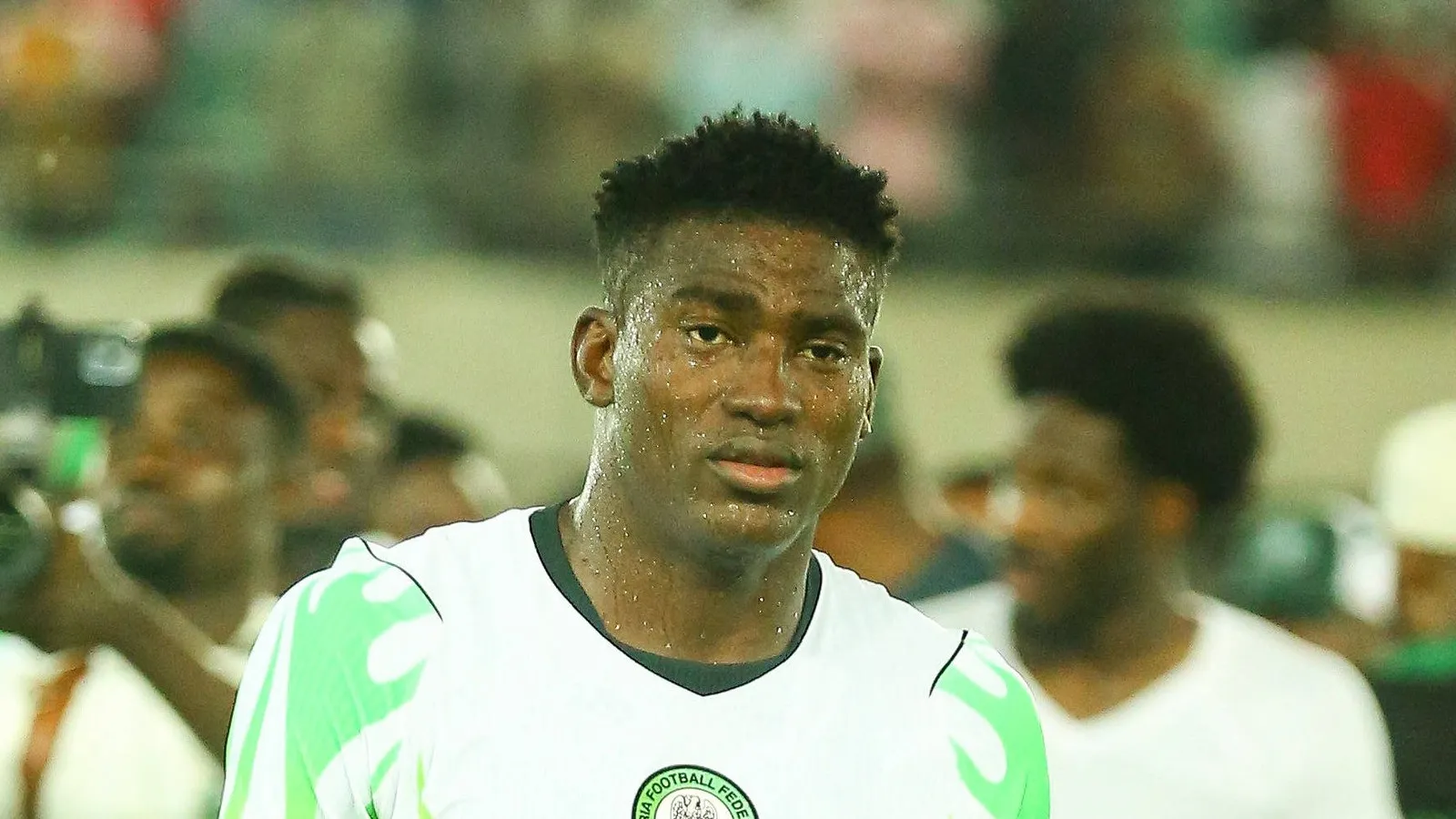
The current squad features six forwards: Moses Simon, Taiwo Awoniyi, Akor Adams, Ademola Lookman, Tolu Arokodare, and Moses Usor. The data indicates that while these players possess high individual quality, their profiles are vastly different from one another. Awoniyi offers a robust physical presence, while Lookman and Simon provide pace and dribbling capabilities on the flanks. Arokodare, in particular, represents a tactical wildcard; his recent form in the Eredivisie suggests he can operate as a focal point, provided the midfield creates sufficient service.
In terms of defensive stability, the inclusion of Trabzonspor’s Chibuike Nwaiwu and Baník Ostrava’s Abdullahi Bewene adds defensive depth, which is vital when playing back-to-back matches within four days. The defensive transition from midfield to backline will be the primary area of focus for the coaching staff during the pre-match camp in Uyo.
Official Stance and Internal Dynamics
While the Nigerian Football Federation (NFF) has not released a formal statement detailing the individual exclusion of players like Iheanacho, industry observers suggest that the technical staff is prioritizing players who fit a specific high-pressing tactical framework.
"The decision to look beyond established names is a bold move by Eric Chelle," noted football analyst Buddy Balogun. "By bringing in players who are currently thriving in top-tier European competitions, the management is signaling that the badge is not reserved for the household names of the past, but for those who can deliver on the pitch today."
The atmosphere in the Super Eagles camp is described as professional, with veteran leaders like Ndidi tasked with integrating the younger squad members. The pressure on the team is significant, not only because of the qualification stakes but because of the immense expectations placed upon the national team by the Nigerian public.
Broader Implications for Nigerian Football
The implications of the Tanzania double-header extend beyond the immediate qualifying table. Should the Super Eagles succeed in these two fixtures, it will solidify their position at the top of the group and provide a much-needed confidence boost for the upcoming international year. Conversely, any slip-ups would force an immediate re-evaluation of the team’s tactical structure and leadership hierarchy.
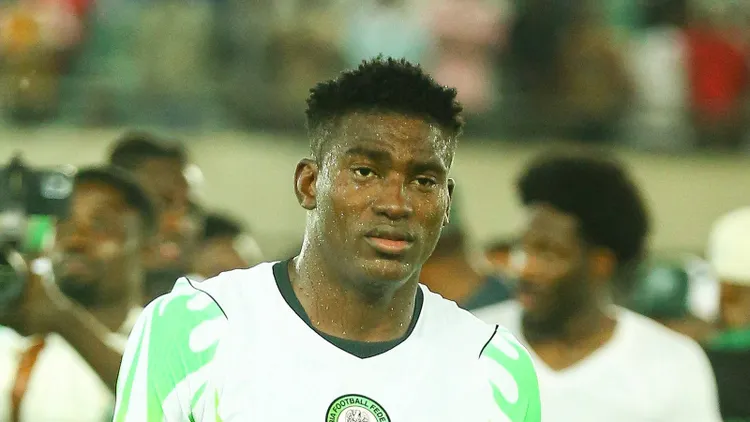
Furthermore, the integration of younger players like Tolu Arokodare and Moses Usor serves as a long-term investment. By exposing these talents to the rigors of AFCON qualification, the NFF is ensuring a pipeline of talent that can sustain the national team’s performance levels for years to come.
The match in Uyo on Friday, November 13, will be the ultimate litmus test. Fans will be watching closely to see if the chosen eleven can compensate for the absence of the team’s primary goal-scorer. The stadium is expected to be at full capacity, reflecting the continued importance of the Super Eagles as a source of national pride and unity.
Summary of the Squad List
Goalkeepers:
Arthur Okonkwo (Charlton Athletic), Francis Uzoho (Omonia), Stanley Nwabali (Chippa United).
Defenders:
Bruno Onyemaechi (Olympiakos), Ola Aina (Nottingham Forest), Benjamin Fredricks (Brentford), Semi Ajayi (Hull City), Calvin Bassey (Fulham), Chibuike Nwaiwu (Trabzonspor), Bright Osayi-Samuel (Birmingham City), Abdullahi Bewene (Baník Ostrava).
Midfielders:
Wilfred Ndidi (Beşiktaş), Alex Iwobi (Fulham), Alhassan Yusuf (New England Revolution), Tochukwu Nnadi (Marseille), Samson Tijani (Podbrezová), Fisayo Dele-Bashiru (Lazio), Mubarak Suleiman (Slavia Prague).
Forwards:
Moses Simon (Paris FC), Taiwo Awoniyi (Coventry City), Akor Adams (Venezia), Ademola Lookman (Atlético Madrid), Tolu Arokodare (Ajax), Moses Usor (LASK).
As the Super Eagles gather in Uyo, the narrative is clear: this is a squad defined by transition. Whether this transition leads to success in the 2027 AFCON qualifiers depends entirely on how effectively Chelle’s men can harmonize their diverse skill sets under the weight of national expectation. With the stakes firmly set, all eyes will be on the Godswill Akpabio Stadium to see if the new-look Super Eagles can rise to the challenge and secure their path toward continental glory.