The 81st Session of the United Nations General Assembly (UNGA) in 2026 has concluded, leaving behind a complex tapestry of geopolitical shifts, intense diplomatic friction, and domestic inquiry regarding the international engagement strategies of various member states. As world leaders converged in New York to navigate a volatile global landscape, the proceedings were dominated by the contrasting visions of major powers, most notably exemplified by the addresses of United States President Donald Trump and Israeli Prime Minister Benjamin Netanyahu. Amidst these high-stakes deliberations, the conspicuous absence of Nigerian President Bola Ahmed Tinubu has sparked a rigorous debate regarding the prioritization of international diplomacy versus domestic administrative leave.
The 81st UNGA: A Shift Toward Realpolitik
The 81st session of the UNGA was characterized by a marked departure from the multilateral idealism that has historically defined the assembly. Instead, the plenary sessions reflected a resurgence of "realpolitik"—a system of politics based on practical and material factors rather than theoretical or ethical objectives.
In his address, President Donald Trump articulated a worldview centered on the primacy of the nation-state. His rhetoric underscored a fundamental skepticism toward supranational governance, arguing that international institutions often infringe upon the sovereign rights of individual nations. Trump’s agenda for the UN focused heavily on institutional reform, specifically targeting the reduction of bureaucratic bloat and the elimination of what his administration termed "unelected global interference." By calling for significant cuts to the UN budget and the restructuring of thousands of administrative positions, the U.S. signaled a desire to pivot the organization away from expansive social engineering and toward a more streamlined, security-focused body.
Furthermore, Trump’s discourse on artificial intelligence highlighted a defensive stance on technological hegemony. By opposing stringent international regulations on AI, the U.S. administration aimed to preserve its competitive advantage, framing technological dominance as a cornerstone of national security in the 21st century. His stance on Iran—combining a call for the abandonment of nuclear proliferation with a willingness to engage in structured negotiations—served as a primary example of how the U.S. intends to use its economic and military weight to dictate the terms of regional stability.
The Contentious Floor: Security and Dissent
The atmosphere within the General Assembly reached a crescendo during the address by Israeli Prime Minister Benjamin Netanyahu. The session was marked by notable diplomatic theater, as several delegations exited the chamber in protest as he took the podium. This walkout underscored the deepening polarization within the UN regarding the ongoing security crises in the Middle East.
Netanyahu utilized his time to frame Israel’s military strategy as a prerequisite for survival. Referencing the trauma of the October 7, 2023, attacks, he argued that the international community has largely ignored the existential threats posed by Iranian-backed proxies. By rejecting allegations of genocide and asserting that Hamas forces intentionally utilize civilian infrastructure to shield their operations, Netanyahu challenged the prevailing narratives held by many member states. His rhetoric served as a direct rebuke to those who have condemned Israel’s security policies, suggesting that such criticism is rooted in a fundamental misunderstanding of the realities of modern asymmetric warfare. The Prime Minister’s assertion that the Iranian regime is destined for collapse added a layer of ideological confrontation to the assembly, further distancing the positions of various global blocs.
Chronology of the 2026 High-Level Week
The 81st UNGA session followed a condensed, high-intensity schedule. While the General Debate is traditionally a time for broad diplomatic engagement, the 2026 session was segmented by specific security crises:
- Day 1-2: Focus on Sustainable Development Goals (SDGs) and climate finance, where tensions remained high regarding the lack of funding for the Global South.
- Day 3: The U.S. delegation, led by President Trump, dominated the agenda with proposals for UN structural reform and a critique of global regulatory bodies.
- Day 4: The Middle East security debate took center stage, culminating in the walkout during the Israeli Prime Minister’s address and subsequent counter-statements by regional powers.
- Day 5: Discussions on the regulation of emerging technologies and the impact of AI on national security architectures.
The Nigerian Context: President Tinubu’s Absence
The participation of Nigeria, typically a central voice in African diplomacy, was notably muted during the 81st session. Vice President Kashim Shettima represented the Nigerian government, as President Bola Ahmed Tinubu remained in France on an extended annual leave.
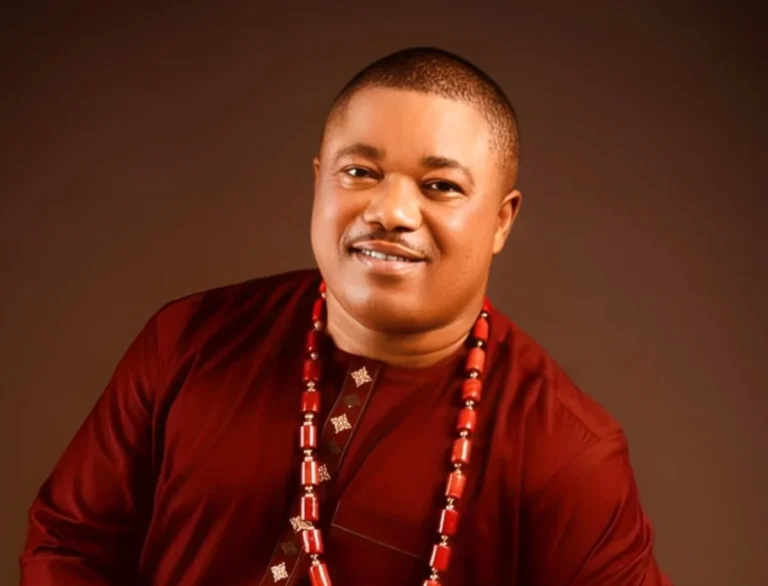
This absence did not go unnoticed by Nigerian political analysts and legal experts. Sir Ifeanyi Ejiofor, lead counsel to the Indigenous People of Biafra (IPOB), provided a critical analysis of the situation in his "Monday Musings" statement. Ejiofor observed that while the UN remains a fixed point of global diplomacy, the absence of the Nigerian Head of State at such a high-level forum raises questions about the nation’s current diplomatic trajectory.
Ejiofor’s commentary highlighted a juxtaposition: while other world leaders were engaging in the arduous task of articulating their national interests on the world stage, the Nigerian presidency had opted for a period of administrative respite in Europe. While he cautioned against the interpretation that the President was "missing," he noted the symbolic weight of the absence. For a nation grappling with significant economic and security challenges, the UNGA serves as a vital platform for attracting foreign direct investment (FDI) and coordinating on regional security issues—tasks that are traditionally executed at the presidential level.
Implications for Global Diplomacy
The 81st UNGA serves as a case study in the diminishing influence of collective diplomacy when pitted against hard national interest. The trends observed—specifically the pushback against international regulation, the defense of military-first security policies, and the shifting attendance patterns of world leaders—suggest that the UN is transitioning into a venue for bilateral signaling rather than multilateral consensus-building.
For Nigeria, the implications of a lower-profile appearance at the UNGA are multifaceted. In a global economy where diplomatic presence is often tied to creditworthiness and investor confidence, the physical presence of a Head of State serves as a signal of stability and commitment to international obligations. As the international community moves toward a more fragmented, multipolar order, the ability of nations to effectively navigate these forums will be a key determinant of their influence.
Analysis of Institutional Accountability
The debate ignited by President Trump’s call for UN reform is not new, but it has gained significant momentum due to the perceived inefficiencies of the organization during the crises of 2025 and 2026. The proposed budget reductions and the shedding of thousands of staff positions reflect a broader movement among Western nations to force international bodies to justify their existence through measurable outcomes.
However, critics of this approach argue that reducing the UN’s reach could weaken the only remaining platform where smaller nations can seek redress against the excesses of global powers. If the UN moves toward a structure that prioritizes the national interests of the most powerful member states, the resulting vacuum in international mediation could lead to increased regional instability.
Conclusion: A World at a Crossroads
As the 81st session of the United Nations General Assembly fades into history, the takeaways are clear. The global order is undergoing a rapid recalibration, where the concepts of sovereignty and national interest are being redefined in real-time. Whether it is the U.S. push for institutional downsizing, Israel’s uncompromising stance on security, or the changing nature of diplomatic representation as seen in the Nigerian case, the UN is increasingly a mirror of a fractured world.
The challenge for the international community in the coming year will be to find a balance between the legitimate demands of national sovereignty and the inescapable need for collective action. For leaders like President Tinubu, the upcoming diplomatic calendar will likely be scrutinized with greater intensity, as the Nigerian public and the international community alike watch to see how the nation balances its domestic priorities with the demands of an increasingly complex and demanding global stage. The 2026 UNGA has demonstrated that while the buildings and the institutions remain, the players are changing their strategies, and the cost of absence—or silence—has never been higher.