As the Democratic Republic of the Congo (DRC) aggressively confronts its 17th and fastest-moving Ebola virus disease outbreak, a quiet, alarming crisis is unfolding in the shadow of the epidemic. Community networks operating within Ituri province have raised urgent red flags, reporting a troubling and unexpected spike in mortality rates among people living with HIV. While the acute nature of Ebola captures international headlines and dominates public health resource allocation, systemic disruptions are threatening to unravel decades of progress made in managing chronic diseases in Central Africa.
The Africa Centre for Disease Control and Prevention (Africa CDC) and the Joint United Nations Programme on HIV and AIDS (UNAIDS), alongside national health authorities, are urgently verifying these preliminary community reports. However, the core message is already unequivocal: infectious disease emergencies do not imperil populations through direct pathogen transmission alone. They exert a devastating secondary toll when overburdened healthcare systems falter, clinics empty out due to fear or logistical barriers, pharmaceutical supply chains fracture, and vulnerable patients become either too terrified or physically unable to access essential, life-sustaining medical care.

The Anatomy of Health System Disruption and Falling Clinic Attendance
For individuals managing human immunodeficiency virus (HIV), the continuity of clinical care and treatment is an absolute physiological necessity. Antiretroviral therapy (ART) must be consumed with unwavering consistency to suppress viral loads, preserve immune function, prevent the emergence of drug-resistant viral strains, and maintain overall health. When this critical regimen is forcibly interrupted—whether by institutional neglect, civil insecurity, or localized panic—patient health can deteriorate with alarming speed. The resulting immunosuppression leaves individuals profoundly vulnerable to opportunistic infections, severe clinical complications, and fatal outcomes from entirely treatable or manageable secondary conditions.
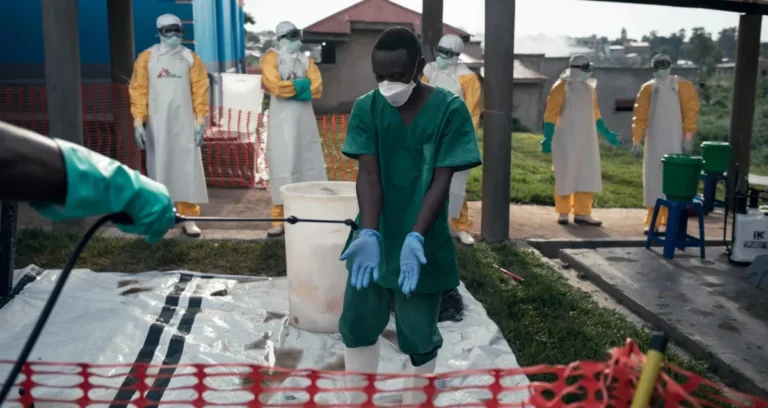
Consequently, the current Ebola emergency in the DRC demands a comprehensive, holistic public health response rather than a narrow, vertical containment strategy. Early warning signs of systemic strain are already starkly visible across Ituri province. Local healthcare facilities are experiencing precipitous drops in routine outpatient attendance. Vital laboratory infrastructure and specialized personnel have been heavily redirected away from chronic disease management to support Ebola surveillance, testing, and treatment operations. Concurrently, persistent regional insecurity severely restricts community-level health outreach, while historical funding cuts to national HIV and community-based health programs have left local institutions uniquely ill-equipped to shoulder an escalating dual crisis.
This operational vulnerability is magnified by the baseline epidemiological profile of the region. HIV remains a profound public health challenge in Ituri province. According to data from the DRC’s latest comprehensive Demographic and Health Survey, an estimated 1.9% of the local population is living with HIV. This prevalence translates into many thousands of individuals who depend completely on uninterrupted access to diagnostics, clinical consultations, pharmaceutical supplies, and psychosocial support. Within a crisis zone, HIV care cannot be relegated to a secondary, disposable concern; for those affected, it remains an immediate matter of survival.
Community-Led Resilience: The Frontline Defense
Amidst operational hurdles and infrastructure strain, community-led organizations are proving to be the vanguard of resistance against a wider humanitarian catastrophe. Bolstered by strategically repurposed funding from UNAIDS and operating in close coordination with local health authorities, a robust coalition of civil society actors has mobilized across Ituri. This coalition includes the national network of people living with HIV (UCOP+) and the national civil society consortium (ANORS).
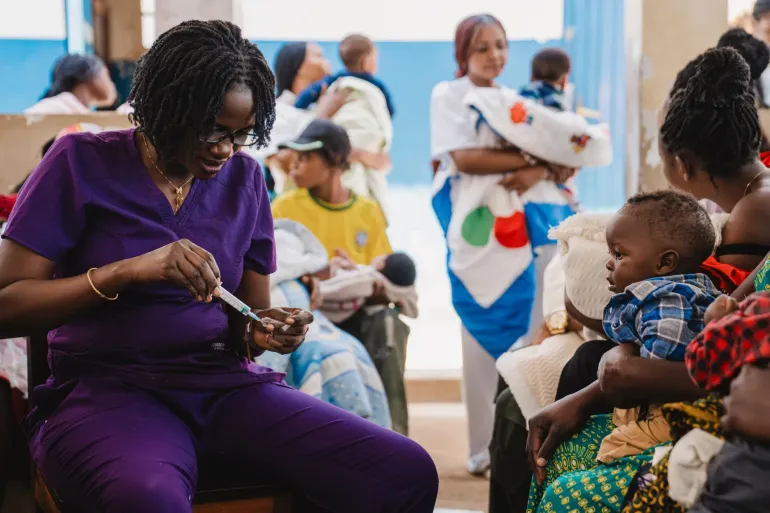
Operating in high-risk environments such as Bunia and surrounding heavily affected health zones, these grassroots networks are executing vital interventions. Outreach workers are actively tracing patients who have defaulted on their clinic appointments, successfully reconnecting them with care pipelines, and distributing multi-month supplies of antiretroviral medications to prevent treatment fatigue and stockouts. Furthermore, these community agents are playing an indispensable role in combating dangerous misinformation, mitigating deeply entrenched social stigma, and safely referring individuals exhibiting early warning signs of Ebola to specialized treatment facilities for rapid diagnostic testing.
These grassroots operations underscore a fundamental lesson learned painfully from past African public health emergencies, including the devastating West African Ebola epidemic of 2014–2016 and successive outbreaks in the DRC: affected communities are not passive beneficiaries of top-down health interventions; they are the absolute linchpin of an effective response. Individuals living with HIV and their representative organizations have spent decades cultivating profound trust, establishing reliable communication channels with marginalized populations, and championing treatment adherence. When formal health systems buckle under the weight of an epidemic, this community-held trust transforms into a priceless public health asset.
Integrating Care: Breaking Down Disease Silos
The personal narrative of Esther Nyamungu, a dedicated community health worker in Bunia, vividly illustrates the potential of integrated, resilient public health frameworks. Herself a person living with HIV, Nyamungu contracted the Ebola virus disease during the current outbreak and successfully survived. She credits her survival directly to seeking prompt medical evaluation upon symptom onset and maintaining strict adherence to her baseline HIV medication regimen throughout her clinical ordeal. Public health experts argue that Nyamungu’s remarkable trajectory should serve as the standard operational norm rather than an isolated exception.
Historically, global health programming has tended to operate in rigid vertical silos, treating distinct pathologies as entirely separate entities. However, human biology does not function in isolation; patients do not experience intersecting health vulnerabilities one disease at a time. A patient managing chronic HIV who subsequently contracts Ebola requires sophisticated, coordinated, and integrated clinical care rather than fragmented interventions that force them to navigate competing institutional bureaucracies.
Establishing clear, nationally agreed-upon clinical pathways—such as routine, early HIV assessment, counseling, and testing protocols integrated directly into Ebola treatment protocols—can dramatically reduce avoidable mortality and optimize clinical outcomes for both diseases. The DRC’s broader strategic pivot toward a village-centered and community-led Ebola response model offers an unprecedented operational window of opportunity. Existing community networks possess the geographic reach, cultural competency, and operational agility to enhance disease surveillance, safeguard treatment continuity, and disseminate verified public health messaging. However, realizing this potential requires international partners and national governments to provide these networks with adequate institutional training, physical protection, and sustainable financial backing.

Strategic Imperatives for the Future
The DRC’s newly revised multisectoral Ebola response plan provides a vital structural platform for decisive action and serves as a direct appeal for expanded international partner support. The operational tools required to mitigate this dual threat are well-established and proven: multi-month dispensing of antiretroviral therapies, decentralized community-led service delivery, and robust, resilient patient referral networks. The primary challenge lies not in conceptualizing these interventions, but in scaling them up rapidly and securing predictable, long-term financing.
Ultimately, navigating this complex crisis is a profound question of strategic prioritization. Safeguarding populations from the immediate devastation of Ebola and preserving the continuity of essential, routine health services are not mutually exclusive or competing objectives. They are inextricably linked components of a singular, comprehensive mission: protecting human life and health security.
If public health responses focus exclusively on containing Ebola, health systems risk incurring an unacceptable toll of preventable fatalities driven by chronic treatment interruptions and secondary health system collapses. Conversely, by adopting an integrated approach that defends both fronts, the DRC can successfully navigate the current emergency and emerge with structurally strengthened, highly resilient health systems capable of withstanding future shocks. The nation possesses the clinical expertise, visionary leadership, and courageous community networks required to achieve these dual objectives. What is urgently demanded now is the unwavering political will and robust financial commitment from global and domestic stakeholders to ensure that no vulnerable patient is left behind.