The World Health Organization has officially granted prequalification to a new three-dose vial presentation of the maternal respiratory syncytial virus vaccine, a regulatory milestone that is expected to radically transform the distribution of life-saving immunizations across resource-constrained regions. Announced on Wednesday, the decision marks a critical turning point in global public health, opening the floodgates for large-scale procurement and rollout by international health alliances. By enabling affordable immunization directly during pregnancy, health authorities aim to shield vulnerable newborns from severe respiratory infections during the most critical window of early life.
Respiratory syncytial virus remains an immense burden on global health infrastructure, standing as the second leading cause of infant mortality worldwide, surpassed only by malaria. According to epidemiological data compiled by the World Health Organization, the pathogen claims more than 100,000 lives annually among children under the age of five. The crisis is profoundly uneven in its geographical impact: more than 97 percent of these fatalities occur in low- and middle-income countries. Sub-Saharan Africa bears a particularly disproportionate share of this mortality burden, largely due to primary healthcare facilities that frequently lack specialized pediatric respiratory care, mechanical ventilation, and intensive care units.
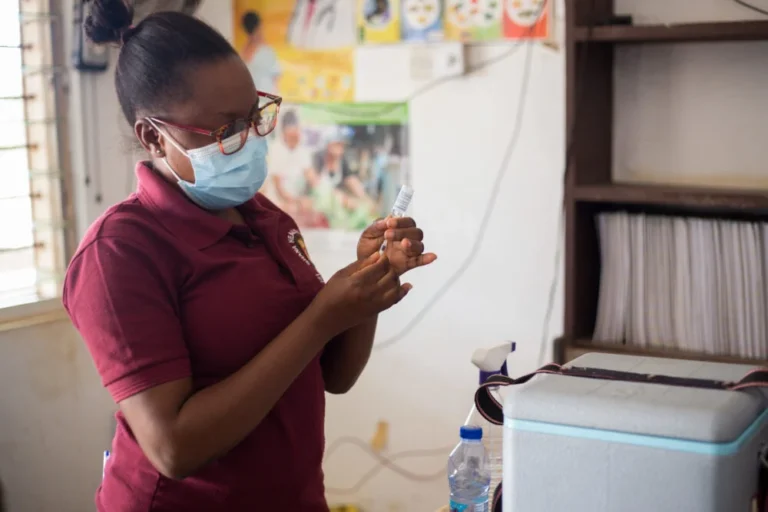
The newly prequalified multi-dose presentation, marketed as Abrysvo by pharmaceutical manufacturer Pfizer, offers a pragmatic defense mechanism. When administered to pregnant women during their late third trimester, the vaccine stimulates a robust immune response, generating neutralizing antibodies that are actively transferred across the placenta to the fetus. This passive maternal transfer ensures that newborns enter the world with a ready-made shield of protection, guarding them against severe RSV-associated lower respiratory tract disease throughout their critical first six months of life—the period during which infants face the highest risk of hospitalization and death.
The path to this regulatory milestone has been paved through years of meticulous clinical development, international collaboration, and regulatory evaluation. The journey began with foundational research into maternal immunization strategies, supported significantly by philanthropic investments such as those from the Bill & Melinda Gates Foundation, which sought to address the glaring equity gaps in pediatric health.
During clinical evaluation, the vaccine demonstrated exceptional efficacy across diverse geographical and socioeconomic settings. In pivotal Phase 3 randomized, double-blind, placebo-controlled trials, the formulation exhibited an impressive 81.8 percent efficacy against severe RSV-associated lower respiratory disease in infants during their first 90 days of life. This protective effect remained remarkably durable, maintaining a 69.4 percent efficacy rate through the first six months postpartum. Regulatory authorities, including the European Medicines Agency, scrutinized these data sets before granting authorizations, concluding that the substantial benefits of preventing life-threatening infant hospitalizations vastly outweigh any potential risks.
Furthermore, post-authorization safety surveillance studies conducted in high-income regions such as the United States have closely monitored birth outcomes. These real-world evaluations confirmed that preterm birth rates among vaccinated mothers showed no statistically significant increase, remaining safely within expected background epidemiological norms. Ongoing pharmacovigilance programs in Europe and North America continue to track safety signals, laying a reliable foundation for the introduction of the vaccine into lower-income healthcare landscapes.
The immediate aftermath of the WHO prequalification brought swift, enthusiastic responses from global health stakeholders. Gavi, the Vaccine Alliance, formally welcomed the decision on Wednesday, committing to leverage its vast logistical networks to expand access to lower-income nations.

"The WHO prequalification of a multi-dose RSV maternal vaccine marks an important step towards ensuring that all children, regardless of where they are born, are protected at their very first breath," stated Emily Kobayashi, Director of Vaccine Programmes at Gavi.
This reaction aligns closely with Gavi’s strategic framework for the 2026–2030 period, which formally establishes a dedicated maternal immunization funding window. Under this initiative, eligible low-income countries are now empowered to apply for financial and technical assistance to integrate the maternal RSV vaccine directly into their routine antenatal care systems. By embedding immunization into existing pregnancy care visits, health systems can maximize coverage rates without needing to establish entirely vertical, standalone delivery campaigns.
The introduction of a multi-dose vial presentation is not merely a regulatory triumph; it is a masterclass in logistical pragmatism. In developing health systems, cold-chain storage capacity, transport logistics, and per-dose shipping costs represent monumental bottlenecks. Single-dose vials, while effective, often require expansive cold-room storage and generate excessive medical waste, straining fragile infrastructure.
By packing multiple doses into a single vial, the new presentation drastically reduces cold-chain footprints, minimizes storage volume requirements, and lowers per-dose delivery costs. This efficiency is vital for primary health clinics in rural and remote settings across Africa and Asia, where reliable electricity and refrigeration can be intermittent.
While monoclonal antibodies offer an alternative pathway for direct passive immunization in newborns, maternal vaccination provides distinct programmatic advantages. By harnessing the mother’s immune system, healthcare providers can protect infants before birth through existing antenatal platforms, thereby broadening the arsenal of global prevention strategies.
However, public health experts emphasize that securing prequalification and funding is only half the battle; seamless implementation remains the ultimate test. Lessons learned from high-income regions—where the rollout of RSV prevention tools has occasionally stumbled due to delivery gaps, fragmented health funding, and supply chain bottlenecks—underscore the complexity of introducing novel pediatric interventions. Global health officials are banking on Gavi’s centralized procurement mechanisms and technical support to circumvent these pitfalls in developing nations.
The broader implications of this development extend far beyond immediate infection control. By alleviating the devastating toll of severe infant respiratory disease, health systems will experience a significant reduction in pediatric ward overcrowding during seasonal RSV peaks. This, in turn, frees up scarce medical resources, reduces out-of-pocket catastrophic health expenditures for impoverished families, and contributes meaningfully to long-term child survival and economic productivity.
As low- and middle-income countries begin the complex process of national adoption and rollout, the global health community stands at the threshold of a new era in maternal and child health. With regulatory hurdles cleared and financing mechanisms activated, the international coalition against respiratory syncytial virus is better positioned than ever to protect the world’s most vulnerable infants from their very first breath.