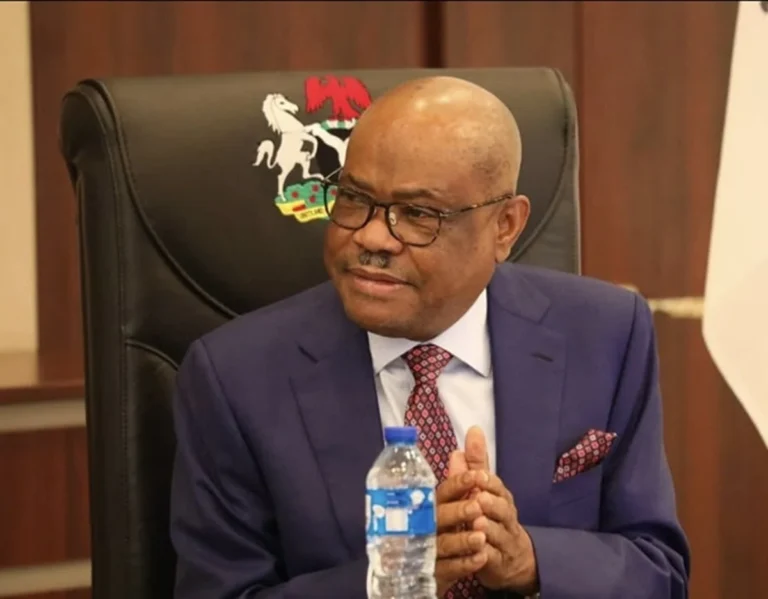
President Bola Tinubu has unequivocally stated that the Federal Capital Territory (FCT), Abuja, is undergoing a profound and positive transformation under the dynamic leadership of Minister Nyesom Wike, marking a significant milestone 50 years after its establishment. This commendation came during a special thanksgiving dinner held in Abuja on Friday night, celebrating the successful inauguration of an impressive 31 projects across the FCT within a remarkable 28-day period. The event brought together a convergence of high-ranking government officials, industry leaders, and stakeholders, all acknowledging the palpable changes reshaping Nigeria’s capital city.
A Legacy Reimagined: The FCT at 50
Abuja, conceptualized in the 1970s and officially becoming Nigeria’s capital in 1991, was envisioned as a symbol of national unity, a purpose-built metropolis free from the historical and ethnic baggage of Lagos. Its creation 50 years ago was predicated on the promise of modern infrastructure, efficient governance, and a serene environment befitting a nation’s capital. However, over the decades, the FCT has grappled with myriad challenges, including rapid population growth outstripping infrastructure development, the proliferation of abandoned projects, funding constraints, and the constant struggle to maintain its original master plan amidst urban sprawl. The celebratory dinner, therefore, was not merely an occasion for felicitations but a testament to a renewed commitment to realizing Abuja’s foundational vision.
President Tinubu, represented by the Senate President, Senator Godswill Akpabio, lauded Minister Wike and his dedicated team for their immense sacrifices and unwavering commitment to ensuring that the nation’s capital truly serves all Nigerians. The President’s message underscored a philosophy of results-oriented leadership, emphasizing that "leadership is not measured by how loudly one announces plans, but how clearly the people can see the results of the plans." This statement resonated deeply, particularly in a political landscape often characterized by unfulfilled promises, highlighting the administration’s focus on tangible outcomes.
He eloquently described the FCT as a crucible of Nigerian identity, a city where unity resides, where diversity meets, and where the aspirations of every citizen find a common address. "Every new road run here shortens somebody’s journey; every new bridge connects more than communities; it connects friendship, it connects love, it connects unity, and also connects opportunities for Nigerians," President Tinubu articulated, drawing a powerful connection between infrastructure development and social cohesion. He further added that "Every completed project quietly tells Nigerians that the government can still work when vision meets determination," injecting a much-needed dose of optimism regarding governmental efficacy.
Unprecedented Progress: A Snapshot of Achievements
Minister Wike’s tenure, which began in August 2023, has been marked by an aggressive drive to overhaul the FCT’s infrastructure and administrative machinery. The inauguration of 31 projects within a span of just 28 days is a remarkable feat, showcasing a rapid pace of development that many observers describe as unparalleled. These projects are understood to encompass critical infrastructure such as arterial roads, bridges, flyovers, and public facilities, all essential for enhancing connectivity, easing traffic congestion, and improving the quality of life for FCT residents. This concentrated effort to complete and commission projects within such a short timeframe reflects a strategic intent to demonstrate immediate impact and build public confidence.
Revenue Surge: A Fiscal Transformation
One of the most significant and frequently cited achievements of Minister Wike’s leadership has been the dramatic increase in the FCT’s monthly internally generated revenue (IGR). When Wike assumed office, the FCT’s monthly revenue stood at approximately N9 billion. Through various fiscal reforms, enhanced revenue collection mechanisms, and plugging leakages, this figure has reportedly soared to over N40 billion. This exponential growth in revenue provides the FCT Administration with substantially more resources to fund ongoing and new projects, reducing reliance on federal allocations and fostering greater financial autonomy. This fiscal turnaround is a critical enabler for the ambitious infrastructure agenda being pursued.
Empowering the Workforce: Civil Service Reforms
A cornerstone of Wike’s strategy has been the revitalization of the FCT civil service. Upon his assumption of office, the Minister noted a prevalent atmosphere of demotivation among civil servants, which he identified as a hindrance to the effective implementation of President Tinubu’s "Renewed Hope Agenda." In response, Wike, alongside the FCT Minister of State, Dr. Mariya Mahmoud, spearheaded the establishment of the FCT Civil Service Commission. This landmark reform allows FCT civil servants to rise through the ranks to the positions of Permanent Secretary and Head of Civil Service within the FCT system, providing clear career progression paths and much-needed professional motivation. Previously, FCT civil servants often felt their career ceiling was limited, leading to morale issues. President Tinubu’s approval of this commission was crucial, aimed at incentivizing workers to contribute their best to the development of the FCT. Wike highlighted that with a newly motivated workforce, the pace of project delivery significantly accelerated: nine projects were inaugurated in the first year of Tinubu’s administration (prior to Wike’s appointment, but reflecting initial administration efforts), 19 projects in the second year, and the impressive 31 projects in the third year (under Wike’s direct influence and accelerated pace).
Tackling Abandoned Projects and Funding Innovations
A perennial problem in Nigeria’s public sector has been the high number of abandoned projects. Minister Wike revealed that a significant proportion, approximately 70 percent, of the projects completed under his watch were initially abandoned by previous administrations. This focus on completing stalled projects not only ensures that public funds previously expended are not wasted but also delivers much-needed infrastructure to the populace more quickly. The Minister attributed part of this success to a crucial policy change: the removal of the FCT from the Treasury Single Account (TSA) system. This exemption has enabled the FCT Administration to access funds from commercial banks, thereby facilitating timely project execution and improving cash flow for contractors. This flexibility in financial management is a distinct advantage that has demonstrably contributed to the rapid pace of development. Wike also took the opportunity to commend contractors for their commitment to quality and timely delivery, promising continued collaboration to ensure residents receive the best possible infrastructure. He asserted that the current administration’s achievements in the FCT are "unprecedented," noting that "The only project that was not completed is the Inner Southern Expressway (ISEX)," indicating a near-comprehensive completion rate for critical infrastructure.
Presidential Acclaim and High-Level Endorsements
The thanksgiving dinner served as a platform for numerous high-profile endorsements of Minister Wike’s performance.
The President’s Vision for Abuja
President Tinubu, through Senator Akpabio, reiterated his administration’s commitment to making Abuja a truly world-class capital. His remarks highlighted a strategic understanding of the FCT’s role, not just as an administrative center but as a symbol of national aspirations. The President’s focus on visible results and effective governance aligns perfectly with Wike’s action-oriented approach, signaling a coherent vision for the capital’s development. The emphasis on unity, diversity, and opportunity underscores a broader national agenda that sees the FCT as a microcosm of Nigeria’s potential.
Calls for Continuity
Mr. Aliyu Modibbo, a former Minister of the FCT and currently the Special Adviser to the President on General Duties in the Office of the Vice President, represented Vice President Kashim Shettima at the event. Modibbo praised Wike as one of the most performing ministers the territory has ever seen. His remarks took a forward-looking turn, expressing optimism that Wike would return as FCT Minister in President Tinubu’s second tenure, stating pointedly, "four years is not enough to complete what you have started." This unsolicited endorsement from a presidential aide and former FCT Minister carries significant political weight, suggesting strong internal support for Wike’s continued leadership in the capital.
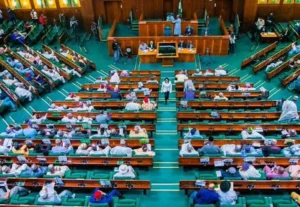
Echoing similar sentiments, Speaker of the House of Representatives, Tajudeen Abbas, represented by the Majority Leader of the House, Prof. Julius Ihonvbere, hailed Wike as the "best performing minister of the FCT so far." Abbas commended the Minister’s drive to transform the FCT’s landscape, acknowledging the "monumental and unprecedented transformation" that has occurred under his stewardship. Such high praise from the legislative arm of government further solidifies the perception of Wike’s exceptional performance and the broad-based approval of his initiatives.
Industry Praises: Contractors’ Perspective
The voice of the private sector, particularly the contractors responsible for executing these projects, provided another layer of validation. Dr. Peer Lubasch, the Managing Director of Julius Berger, a prominent construction company with a long history in Nigeria, spoke on behalf of the contractors. He humorously noted that some contractors had experienced more ribbon-cutting ceremonies in the preceding days than in several previous years combined, a vivid illustration of the accelerated pace of project completion.
Lubasch commended President Tinubu for his unwavering commitment to infrastructure development, economic growth, and national progress. He particularly applauded Minister Wike for his visionary leadership, meticulous planning, and sustained investment, which are collectively transforming Abuja into what he described as "Africa’s finest, purpose-built capital." Julius Berger’s long-standing involvement in Abuja’s development, from its formative years to the present day, lends significant credibility to Lubasch’s assessment, as they possess an intimate understanding of the city’s construction history and challenges.
Implications for Governance and Development
The achievements in the FCT under Minister Wike carry profound implications for governance, economic development, and urban planning in Nigeria.
Economic Impact: The surge in infrastructure development, coupled with increased revenue generation, is expected to have a multiplier effect on the FCT’s economy. Improved roads and transportation networks facilitate commerce, reduce logistics costs, and attract new investments. The enhanced IGR provides a sustainable funding model, lessening dependency on volatile oil revenues and ensuring consistent development. This could lead to job creation, stimulate local businesses, and ultimately improve the living standards of FCT residents.
Governance and Public Trust: The rapid delivery of projects and visible improvements demonstrate a government that is capable, efficient, and responsive to the needs of its citizens. This can significantly bolster public trust in government institutions, a critical factor for national development. President Tinubu’s "Renewed Hope Agenda" finds tangible expression in the FCT’s transformation, providing a concrete example of what the administration aims to achieve nationwide. The reforms in the civil service, leading to a more motivated and efficient workforce, are also crucial for long-term administrative effectiveness.
Urban Development Model: The FCT’s current trajectory could serve as a viable model for other Nigerian states and cities grappling with infrastructure deficits and urban challenges. The combination of fiscal discipline, innovative funding mechanisms (like the TSA exemption), aggressive project execution, and civil service reforms offers a blueprint for sustainable urban development across the country. The focus on completing abandoned projects is particularly noteworthy, highlighting a pragmatic approach to resource utilization.
Looking Ahead: Sustaining the Momentum
While the current achievements are commendable, the long-term sustainability of this development trajectory remains paramount. The FCT, with its rapidly expanding population, will continue to face challenges related to housing, sanitation, security, and the preservation of its green spaces. The administration’s ability to maintain the current pace of development, attract further investment, and ensure equitable access to infrastructure and services will be crucial. The calls for Minister Wike’s continuity in office underscore the desire for sustained momentum and the completion of ongoing long-term projects, such as the Inner Southern Expressway.
The current transformation in Abuja, spearheaded by Minister Nyesom Wike and backed by President Bola Tinubu, represents a critical juncture in the history of Nigeria’s capital. It is a powerful narrative of vision meeting determination, resulting in tangible progress that resonates with citizens and stakeholders alike, setting a new benchmark for governance and development in the country. The FCT is not just changing; it is being reimagined, signaling a renewed hope for the future of Nigeria.