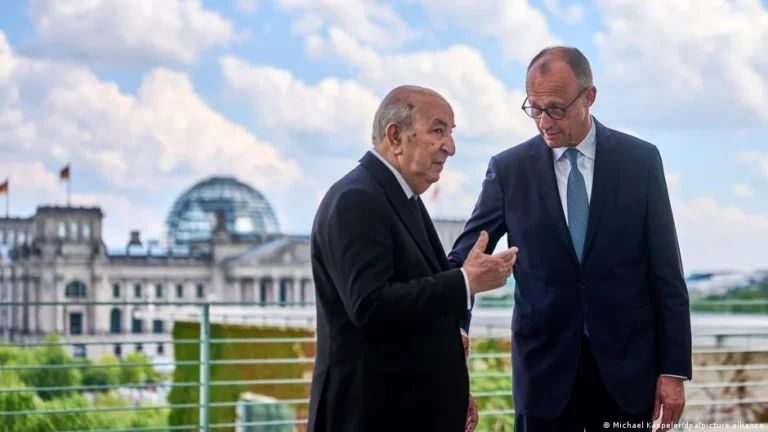
Algerian President Abdelmadjid Tebboune’s recent visit to Berlin, his inaugural official trip to Germany since assuming office in 2019, underscored a significant recalibration of bilateral relations, culminating in a joint declaration with German Chancellor Olaf Scholz. The two leaders emphasized the burgeoning quality of cooperation between their nations and committed to deepening long-term energy collaboration, signaling Algeria’s pivotal role in Europe’s evolving energy security landscape. This high-level engagement reflects Germany’s strategic pivot towards diversifying its energy sources and Algeria’s ambition to leverage its vast natural resources and unique geopolitical standing.
The Genesis of a Renewed Partnership: Germany’s Energy Imperative
The backdrop to this visit is Germany’s urgent need to secure stable and diverse energy supplies, a necessity dramatically amplified by the geopolitical shifts following Russia’s full-scale invasion of Ukraine in early 2022. Historically reliant on Russian gas, Germany has been actively seeking alternative suppliers and accelerating its transition to renewable energies. This strategic imperative has brought North African nations, particularly those with substantial hydrocarbon reserves and renewable energy potential, into sharper focus.
Algeria, a major player in the global energy market, possesses Africa’s second-largest proven natural gas reserves after Nigeria and is the continent’s largest natural gas producer. Its existing pipeline infrastructure to southern Europe, notably the TransMed pipeline to Italy and the Maghreb-Europe pipeline (historically to Spain, though its operational status for Spain has been complexified by regional political dynamics), positions it as a reliable conduit for energy to the European continent. The recent milestone of Algeria’s state-owned energy company Sonatrach delivering its first shipment of liquefied natural gas (LNG) directly to Germany’s Wilhelmshaven 1 floating LNG import terminal on July 2 further cemented this burgeoning energy relationship.
Cerstin Gammelin, spokesperson for German President Frank-Walter Steinmeier, highlighted the long-term vision for this partnership, stating on X that "Algeria is a central partner for Europe’s energy security. Natural gas supplies and cooperation on renewable energies are to be expanded. In the long term, it is about establishing a southern hydrogen corridor – from North Africa to Germany." This statement encapsulates the multifaceted nature of the energy agenda, extending beyond conventional fossil fuels to embrace the future of green energy.
Pivoting to Long-Term Energy Security: Gas and Green Hydrogen
The discussions in Berlin underscored a commitment to expanding both natural gas supplies and collaboration on renewable energies. While LNG shipments provide immediate flexibility, the prospect of a direct pipeline to Germany holds significant long-term appeal. Such an infrastructure development would bypass the need for liquefaction, LNG shipping, and regasification, potentially reducing transport costs for gas deliveries, mirroring the efficiency of Algeria’s existing pipelines to Italy and Spain. This would establish a more direct and economically viable energy artery between North Africa and Central Europe.
Beyond conventional gas, the concept of a "southern hydrogen corridor" represents a forward-looking dimension of the energy partnership. Algeria boasts immense potential for renewable energy generation, particularly solar power, given its vast Sahara desert. This makes it an ideal location for producing green hydrogen – hydrogen generated through electrolysis powered by renewable electricity. Germany, a leader in hydrogen technology and a significant importer of energy, sees North Africa as a key region for sourcing green hydrogen to fuel its industrial decarbonization efforts and achieve its climate targets. Developing this corridor would involve substantial investment in renewable energy projects in Algeria, electrolysis plants, and dedicated pipelines or shipping infrastructure for hydrogen transport.
Geopolitical Underpinnings: Algeria’s Enhanced Value
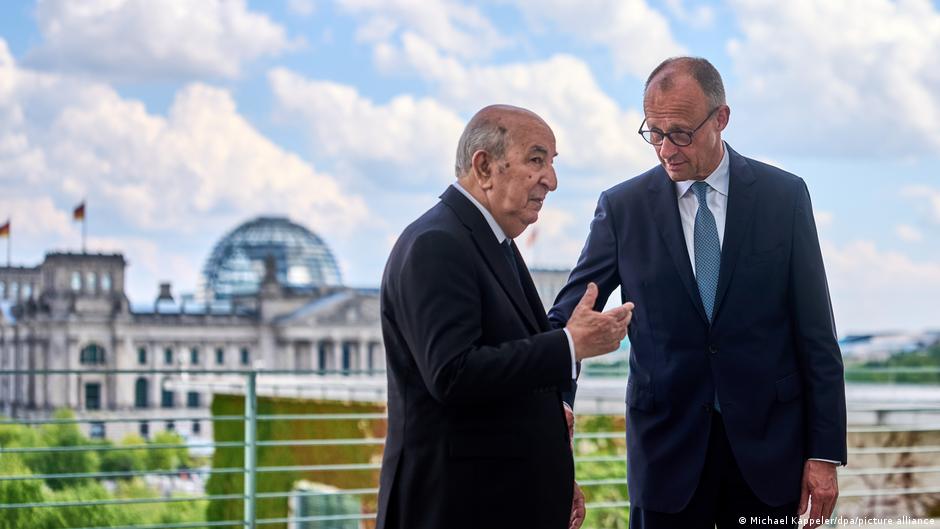
The strategic importance of Algeria as an energy partner has been amplified by global geopolitical instability. Alice Gower, director of geopolitics and security at the London-based consulting firm Azure Strategy, noted that "The war in Iran and the disruption of oil exports via the Strait of Hormuz have reinforced Algeria’s energy importance." While the term "war in Iran" might be a simplification of broader regional tensions and maritime security concerns in the Middle East, including those in the Red Sea and Gulf region, the core message is clear: alternative, secure supply routes are paramount for Europe. Algeria’s pipeline gas reaches southern Europe without traversing volatile Gulf shipping lanes, offering European governments crucial supply diversification at a time of heightened energy security concerns.
This sentiment is echoed by Hafed Al-Ghwell, director of the North Africa, Mediterranean and the Sahel program at the Washington-based think tank Stimson Center. Following recent meetings with Algerian officials, Al-Ghwell observed a clear political will at the highest levels of the Algerian government to capitalize on global events and the country’s unique position as a major gas producer. This proactive stance highlights Algeria’s determination to assert itself as a key regional and international actor.
Algeria at a Critical Strategic Crossroads: Beyond Energy
Algeria’s value to Europe extends far beyond its energy resources. Geopolitically, Algiers offers crucial cooperation on counterterrorism, migration management, and Mediterranean stability. For years, Algeria has engaged with European countries on complex migration issues, including returns, border security, and combating smuggling networks, reflecting shared interests in regional security.
Furthermore, Algeria maintains a distinctive diplomatic standing, fostering relations with a diverse array of global powers, including Iran, the United States, the Gulf countries, China, and Russia. This multi-vector foreign policy allows Algeria a unique degree of maneuverability on the international stage. Strategically located at the crossroads of North Africa and the Sahel region, Algeria’s stability and influence are vital for regional security.
President Tebboune has also placed renewed emphasis on African cooperation, aiming to position Algeria as a bridge between North Africa, the Sahel, and the wider continent. This ambition, however, also serves as a response to specific regional pressures. Algeria faces increasing isolation on the issue of Morocco’s claim over the disputed Western Sahara territory. Algeria steadfastly supports the local Polisario Front in their quest for independence, while Morocco considers Western Sahara an integral part of its territory. The recognition of Morocco’s sovereignty over the region by the US under President Donald Trump in 2020, subsequently followed by Spain, France, and several African nations, has challenged Algeria’s diplomatic position on this long-standing conflict. Analysts from the Institute for Security Studies suggest that Algiers’ intensified regional outreach also aims to safeguard its influence amidst growing Moroccan initiatives.
The Sahel region, sharing over 2,280 kilometers (1,420 miles) of porous borders with Mali and Niger, presents significant security challenges for Algeria, including terrorism, cross-border crime, and irregular migration. Algeria is a pivotal actor in addressing these threats. Recent efforts by Algiers to repair ties with Mali and Niger, particularly in the context of political instability and military coups in those nations, underscore its commitment to regional stability. Algeria also actively supports a political solution for Libya, its third large neighboring country, which remains de facto divided into two administrative entities. Reopening channels of dialogue and fostering cooperation in these areas are critical for pressing security, economic, and political interests across the region.
Domestic Pressures and the Quest for Stability and Development

The intensified foreign policy engagement also reflects Algeria’s domestic imperatives. As Toufik Bougaada, a professor of political science at the University of Algiers, observed, "A fundamental principle in political science is that foreign policy often reflects domestic politics." Hafed Al-Ghwell of the Stimson Center further noted that Algeria is now seeking to leverage its current stability to address internal dynamics.
A primary concern is the high level of youth unemployment, which, according to the latest available World Bank estimate, hovers around 29-30%. This demographic challenge poses significant socio-economic risks and underscores the urgent need for job creation. Private sector investment from abroad, particularly within the framework of enhanced partnerships with countries like Germany, could play a crucial role in stimulating economic growth and generating employment opportunities. Diversifying the economy beyond hydrocarbons remains a critical long-term objective for Algeria.
Despite the ambitious foreign policy agenda, Algeria continues to grapple with internal political and human rights challenges. The hopes for substantial political reform that emerged from the Hirak pro-democracy protest movement in 2019, which led to the resignation of long-time ruler Abdelaziz Bouteflika, largely remain unmet. Algeria’s political system continues to be a subject of controversy. Recent assessments, such as the Bertelsmann Transformation Index, indicate that the country has largely reverted to pre-Arab Spring conditions regarding political openness. Freedom House, in its latest "Freedom in the World" report, classified Algeria as "Not Free," citing a continued contraction of civic space. Human Rights Watch and Amnesty International have consistently reported on the Algerian authorities’ ongoing prosecution of journalists, activists, and online critics, highlighting concerns over freedom of expression and assembly.
Alice Gower cautioned that while Algeria’s expanding geopolitical value has altered the balance of international engagement, granting it greater scope to pursue its domestic agenda, this also entails the risk of reduced external pushback on human rights and governance issues. Balancing strategic interests with adherence to universal values will remain a delicate act for Algeria’s European partners.
Outlook: A Complex but Promising Trajectory
President Tebboune’s visit to Berlin represents a significant step in solidifying a comprehensive strategic partnership between Algeria and Germany. For Germany, it secures a vital energy partner and contributes to its broader energy transition goals. For Algeria, it offers a pathway for economic diversification, access to advanced technology, and enhanced diplomatic leverage on the international stage.
However, the trajectory of this partnership is inherently complex, intertwined with Algeria’s domestic reform agenda and its regional geopolitical challenges. While the mutual benefits are clear, the long-term success will depend on Algeria’s ability to foster internal stability, address socio-economic grievances, and navigate its human rights record in a manner that aligns with the expectations of its European partners. This visit marks not an end, but a pivotal new beginning in a relationship that holds profound implications for energy security, regional stability, and economic development across North Africa and Europe.