While public health campaigns often focus on the visible symptoms of illness, a more insidious threat remains largely hidden within the bloodstream of millions of people worldwide. High cholesterol, medically known as hypercholesterolemia, has earned the moniker "the silent killer" because it rarely presents outward warning signs until it has already caused significant damage to the cardiovascular system. Unlike a fever or a persistent cough, elevated cholesterol levels do not cause physical discomfort, meaning many individuals only discover the condition following a life-altering medical emergency such as a heart attack or a stroke. As lifestyles shift toward sedentary habits and processed diets, medical experts are sounding the alarm on the necessity of proactive screening and lifestyle modification to combat this growing global health crisis.
According to the World Health Organisation (WHO), cardiovascular diseases (CVDs) are the leading cause of death globally, claiming an estimated 17.9 million lives each year. Of these deaths, 85 per cent are due to heart attacks and strokes, with raised cholesterol being a primary, yet modifiable, risk factor. The Centers for Disease Control and Prevention (CDC) echoes these concerns, noting that high cholesterol affects nearly 94 million U.S. adults aged 20 or older, yet because of its asymptomatic nature, a significant portion of this population remains undiagnosed and untreated. In Nigeria and other developing nations, the burden of CVDs is rising sharply as "nutrition transitions" lead populations away from traditional, fiber-rich diets toward ultra-processed foods high in trans fats and refined sugars.
The Biological Mechanism of Atherosclerosis
To understand the danger of high cholesterol, one must look at the biological processes occurring within the arterial walls. Cholesterol itself is a waxy, fat-like substance that the body needs to build cells and make vitamins and other hormones. However, when there is an excess of Low-Density Lipoprotein (LDL)—often referred to as "bad" cholesterol—it can begin to deposit along the inner lining of the arteries. Over time, these deposits combine with other substances to form thick, hard deposits called plaques.
This process, known as atherosclerosis, causes the arteries to narrow and lose their flexibility. Dr. Happiness Akinde, a medical professional specializing in cardiovascular health, explains that this narrowing restricts blood flow. When plaque builds up in the coronary arteries, it can lead to chest pain (angina) or a complete blockage resulting in a myocardial infarction (heart attack). If the plaque ruptures or a clot forms and travels to the brain, it triggers an ischemic stroke. Furthermore, high cholesterol is a leading cause of peripheral artery disease (PAD), where reduced circulation to the limbs can cause chronic pain, difficulty walking, and in severe cases, tissue death requiring amputation.
Identifying the High-Risk Demographics
While high cholesterol was historically viewed as a condition primarily affecting the elderly, the demographic profile of those at risk is expanding. Dr. Akinde notes that while age remains a factor—specifically for those over 40—the intersection of genetics and lifestyle is driving the risk profile younger. Individuals living with comorbidities such as type 2 diabetes, hypertension, or chronic kidney disease are at a heightened risk because these conditions can damage the blood vessels, making them more susceptible to plaque accumulation.
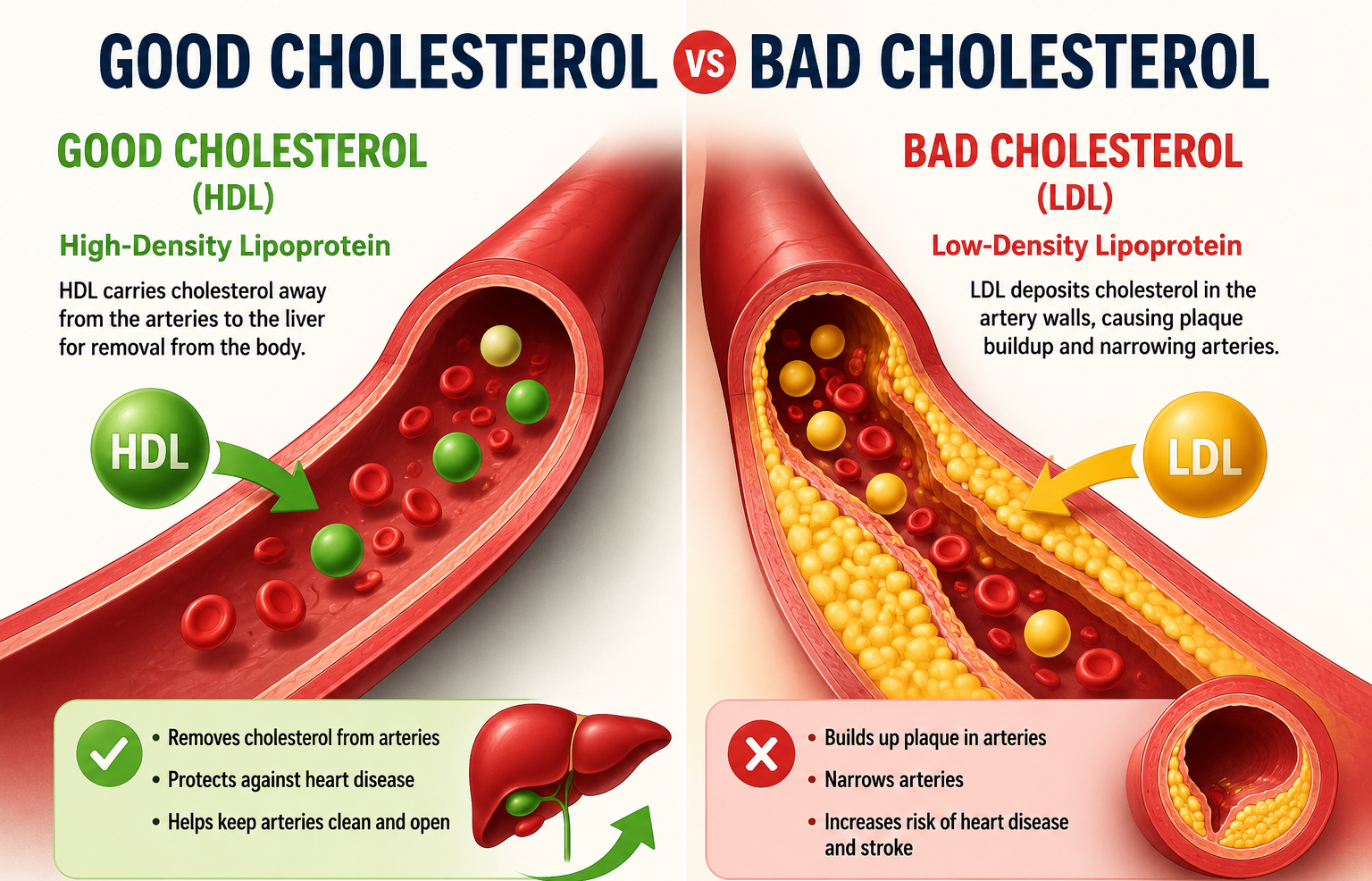
Obesity remains a significant driver of high cholesterol levels, but Dr. Akinde emphasizes that even "lean" individuals can have dangerously high LDL levels due to genetic predispositions, such as familial hypercholesterolemia. This genetic condition prevents the liver from efficiently removing LDL cholesterol from the blood. Additionally, behavioral factors such as tobacco use and excessive alcohol consumption are known to lower High-Density Lipoprotein (HDL) or "good" cholesterol, which normally helps move LDL out of the arteries. In the Nigerian context, Dr. Akinde points to the "double burden" of increasing urbanization and the proliferation of sedentary desk jobs, which have replaced more physically demanding traditional occupations.
The Hidden Danger in the Kitchen: Reused Cooking Oil
One of the most overlooked contributors to high cholesterol in many households and commercial food sectors is the practice of repeatedly reheating cooking oil. In a detailed advisory, Dr. Akinde warned against this common habit, which is often done to save costs. When oil is heated to high temperatures multiple times, it undergoes a chemical process known as thermal oxidation. This process breaks down the molecular structure of the oil, creating harmful compounds, including trans fats and polar compounds.
"Every time cooking oil is heated to very high temperatures, it forms oxidized fats, which increase inflammation in the body and contribute to the hardening of the arteries," Dr. Akinde stated. She advised that oil should be discarded immediately if it becomes dark, develops a foul odor, begins to foam, or produces excessive smoke at lower temperatures. This is particularly relevant for "roadside" food vendors and fast-food outlets where deep-frying is a staple. The consumption of these degraded oils significantly elevates the risk of heart disease, even in individuals who may otherwise appear healthy.
The Necessity of Routine Screening: "Know Your Numbers"
Because high cholesterol does not present symptoms, the medical community stresses that the only way to detect it is through a lipid panel blood test. The CDC and WHO recommend a proactive screening timeline to catch the condition before it manifests as an emergency.
- Early Adulthood (Ages 20–35): Healthy adults should have their first cholesterol check during this window to establish a baseline. Those with a family history of early heart disease should be screened even earlier.
- Middle Age (Ages 40+): Screening should occur every four to six years for those with low risk.
- High-Risk Individuals: For those living with obesity, diabetes, or hypertension, or those who smoke, doctors often recommend annual or bi-annual testing.
The "Know Your Numbers" campaign emphasizes that understanding one’s blood pressure, blood sugar, and cholesterol levels is a fundamental aspect of preventive medicine. Dr. Akinde urges Nigerians not to wait for the "warning signs" that may never come, noting that "small, consistent lifestyle changes can help prevent heart attacks and strokes."
Nutritional Strategies and Lifestyle Interventions
The management of cholesterol is largely rooted in dietary and physical activity choices. While some patients may require statins or other cholesterol-lowering medications, lifestyle intervention remains the first line of defense. Dr. Akinde advocates for a return to heart-healthy local staples that are both affordable and effective.

Dietary fiber, found in abundance in legumes like beans and lentils, acts as a "sponge" in the digestive system, binding to cholesterol and removing it from the body before it can enter the bloodstream. Leafy green vegetables such as ugwu (fluted pumpkin leaves) and efo (spinach), along with garden eggs and okra, provide essential antioxidants that protect the arterial walls from inflammation. Whole grains like oats and sweet potatoes are also recommended over refined white flours and sugars.
In terms of physical activity, the global standard is at least 150 minutes of moderate-intensity aerobic exercise per week. This can be achieved through brisk walking, swimming, or cycling. Physical activity not only helps maintain a healthy weight but specifically works to increase HDL (good) cholesterol, which provides a protective effect for the heart.
Socioeconomic Impact and Future Outlook
The rise of high cholesterol and subsequent cardiovascular diseases poses a significant threat to the socioeconomic stability of developing nations. Unlike infectious diseases, which often have a rapid onset and resolution, CVDs are chronic conditions that require long-term management, expensive surgeries, and can lead to long-term disability. This places an immense strain on healthcare systems and reduces the productivity of the workforce, as many individuals are struck down in their most productive years.
The analysis of current health trends suggests that without a massive shift in public awareness and food policy, the prevalence of heart disease will continue to climb. Experts suggest that governments should consider policies such as mandatory trans-fat labeling, taxes on highly processed sugary foods, and the creation of more walkable urban spaces to encourage physical activity.
In conclusion, while high cholesterol may be silent, its consequences are devastatingly loud. The transition from a reactive "sick-care" model to a proactive "well-care" model is essential. By prioritizing regular screenings, understanding the chemistry of the food we eat—including the dangers of reused oils—and embracing a lifestyle defined by movement and whole foods, the tide of cardiovascular disease can be turned. As Dr. Akinde succinctly puts it: "High cholesterol is silent, but its complications are not. Get tested, eat wisely, stay active, and protect your heart."