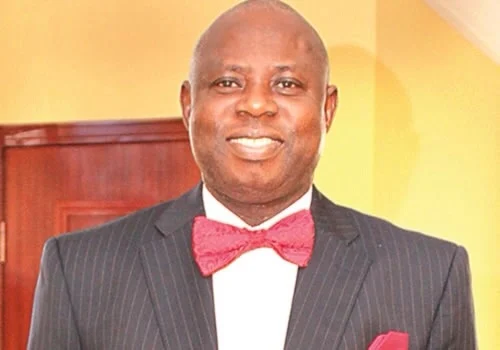
As Nigeria approaches a critical juncture in its political evolution, the discourse surrounding the upcoming electoral cycle has shifted from mere partisan posturing to an urgent debate on the nature of governance and the stewardship of the commonwealth. Pharm. (Dr.) Lolu Ojo, a respected figure in the pharmaceutical industry and public intellectual, has issued a comprehensive framework for what he terms "responsible citizenship and leadership that delivers," emphasizing that the legitimacy of a democracy is sustained not by the act of voting alone, but by the tangible improvements in the lives of the citizenry.
The Philosophy of the Commonwealth as a Sacred Trust
At the heart of the national debate is the concept of the "commonwealth"—a term that encompasses the totality of Nigeria’s national assets, including oil, gas, mineral resources, public infrastructure, and the institutional frameworks that support society. Dr. Ojo argues that these assets are not the property of the ruling class but are a sacred trust held on behalf of both present and future generations.
Economic data from the World Bank and the Nigerian Bureau of Statistics (NBS) consistently highlight that while Nigeria possesses significant resource wealth, the translation of these assets into human development remains stalled. For instance, despite Nigeria’s status as a major oil producer, the country has faced persistent challenges in human capital development, with the Human Development Index (HDI) consistently lagging behind regional peers. The argument presented is that public resources, when managed with transparency and fiscal discipline, serve as the engine for social stability. Conversely, when fiscal leakages occur—often cited in the Auditor-General’s reports—the direct result is a deficit in public services: classrooms remain in disrepair, medical supplies are insufficient, and critical infrastructure projects are abandoned.
Chronology of Democratic Consolidation
Nigeria’s democratic journey since 1999 has been marked by periodic transitions of power, yet each cycle brings with it a recurring set of challenges. Historically, the electoral timeline follows a predictable pattern: the announcement of the electoral calendar by the Independent National Electoral Commission (INEC), the commencement of party primaries, the official flagging off of campaigns, and finally, the polling day.
However, the period leading up to the 2026/2027 cycle has seen an increased demand for evidence-based manifestos. Unlike previous cycles where rhetoric often dominated, there is a growing demand from civil society organizations (CSOs) for candidates to provide time-bound, cost-effective plans. The chronology of the current electoral season has already witnessed a surge in town halls and media debates, signaling a shift toward more informed, albeit highly charged, public participation.

Data-Driven Governance: The Metric of Success
The call for "leadership that delivers" relies on the implementation of measurable indicators. In professional management, as noted by Dr. Ojo, vision without execution is an "elegant dream." The implications for governance are clear:
- Budgetary Transparency: Effective governance requires that budgets are not merely symbolic documents but actionable plans that link specific allocations to measurable outcomes.
- Procurement Efficiency: The reform of public procurement is essential to ensure that the nation receives value for money, preventing the inflation of contracts that currently plagues infrastructure development.
- Inclusive Growth: The economic gap between the elite and the average household remains a primary driver of instability. Economic policies must be evaluated based on their impact on the "kitchen table," ensuring that inflation and unemployment are addressed through systemic interventions rather than temporary palliatives.
The Role of Institutions and Professional Bodies
Professional associations, including those in the pharmaceutical, medical, engineering, and legal sectors, hold a unique position in ensuring accountability. Dr. Ojo suggests that these bodies move beyond partisan silence to establish nonpartisan platforms for monitoring campaign commitments.
In recent years, the influence of civil society in monitoring government performance has grown. Organizations such as the Nigerian Economic Summit Group (NESG) and various policy think tanks have begun publishing periodic "scorecards" for government agencies. This shift reflects a maturing democracy where the media and professional guilds act as a watchdog, ensuring that elected officials are held to the standards they promised during their campaigns.
The Imperative of Ethical Leadership
The quality of leadership remains the single most significant variable in Nigeria’s development. Ethical leadership, as defined in this context, requires a departure from the "entitlement" mindset. It involves a commitment to meritocracy in appointments and a rejection of the "winner-takes-all" political culture that often alienates segments of the population.
Furthermore, the responsibility of the private sector cannot be ignored. A recurring theme in the discourse is the complicity of the private sector in institutionalized corruption. Business entities that facilitate graft, whether through the evasion of taxes or the inflation of invoices, are identified as direct contributors to the degradation of the national economy. Consequently, national renewal is a collaborative process that requires both the government to set the tone and the citizenry—including the business class—to adopt more ethical habits.
Broader Impact and Implications
If the upcoming elections are to serve as a turning point, the implications must be felt across all tiers of government. The local government level, in particular, is highlighted as the point of contact where democracy should be most visible. The current reality, where local government administration is often disconnected from the needs of the people, must be corrected through better oversight and the devolution of power.

The consequences of failing to meet these standards are stark. Continued neglect of the basic needs of the populace—security, health, and education—risks further eroding the social contract. Conversely, a focus on "results-based governance" could catalyze a period of rapid development. The transition from campaign slogans to effective policy implementation is the bridge that separates successful nations from those in perpetual stagnation.
Conclusion: A Covenant for the Future
As the election cycle reaches its zenith, the collective aspiration of the Nigerian people remains clear: a nation that works for everyone. The political competition should not be viewed as a battle for conquest, but as a contest of ideas for the service of the state.
The "covenant" proposed by stakeholders is one that prioritizes the national interest over partisan ambition. This involves:
- Peaceful Conduct: Ensuring that the electoral process is free from violence and coercion, allowing for the true will of the people to be expressed.
- Institutional Integrity: Supporting the independence of the judiciary, the electoral commission, and security agencies.
- Vigilant Citizenship: Maintaining a high level of civic engagement long after the inauguration of new officials.
In the final analysis, the victory of any single candidate or party is secondary to the survival and prosperity of the nation. The true measure of the forthcoming elections will be the extent to which they foster national healing and set the country on a sustainable path toward development. History, as noted by observers, will not judge the candidates by the volume of their campaign rhetoric, but by the tangible, lasting improvements they bring to the lives of ordinary citizens. For Nigeria, the goal is not merely to conduct an election, but to solidify a democracy that delivers progress, justice, and dignity to its people. As the country moves forward, the declaration remains: let peace prevail, let the people’s will count, and let Nigeria emerge as the ultimate winner.