As the global public health community observes World Polio Day, the African continent finds itself at a defining historical juncture in the decades-long campaign against poliomyelitis. While a polio-free Africa is theoretically within reach, achieving this historic milestone requires an unwavering, prioritized commitment from international donors, regional governments, and local health networks alike. The ongoing resurgence of simultaneous health threats—exemplified by severe Ebola outbreaks unfolding in Central Africa while poliovirus variants lurk quietly in under-immunized communities—highlights a sobering reality: localized vulnerabilities can rapidly metastasize into regional health security emergencies.
Despite notable strides in driving down transmission rates, the global eradication initiative faces profound operational hurdles. Poliovirus has been detected across multiple continents and within several African nations, including the Democratic Republic of Congo (DRC) and Nigeria. These discoveries underscore that until global eradication is absolute, no region can consider itself entirely safe from importation or localized transmission.
The Polio Paradox: Triumphs and Vulnerabilities in Immunization

Poliomyelitis is a highly infectious viral disease that invades the nervous system, possessing the devastating capability to cause irreversible paralysis within a matter of hours. Historically, the disease wreaked global havoc; during the 1950s, wild poliovirus killed or paralyzed approximately half a million people annually. Today, the natural or wild strain of the virus remains endemic in only two countries globally: Afghanistan and Pakistan.
However, the global fight is increasingly complicated by a complex epidemiological phenomenon known as the "polio paradox." The primary weapon in the global eradication arsenal—the Oral Polio Vaccine (OPV)—has successfully driven wild poliovirus to the brink of extinction. Yet, in communities with severely suboptimal immunization coverage, the weakened live virus contained in the oral vaccine can circulate for extended periods, mutate, and gradually regain its neurovirulent capabilities. These incidents give rise to circulating vaccine-derived poliovirus (cVDPV) outbreaks.
This paradox does not diminish the invaluable utility of the oral vaccine; rather, it amplifies the urgency of achieving and maintaining exceptionally high vaccination coverage thresholds. Furthermore, it has catalyzed vital scientific innovations, such as the 2021 deployment of the novel oral polio vaccine type 2 (nOPV2). Designed to be genetically more stable, nOPV2 significantly lowers the risk of reversion to neurovirulence while maintaining robust protection against outbreaks.
Outsized Regional Progress in the Face of Fiscal Pressures
The persistence of vaccine-derived and imported wild strains is heavily exacerbated by systemic barriers to healthcare delivery. Armed conflict, natural disasters, mass population displacement, cross-border migration, structural poverty, and emerging vaccine hesitancy frequently disrupt routine immunization drives. In 2024, cumulative data from wild and vaccine-derived strains confirmed more than 500 polio infections worldwide.
Compounding these operational difficulties, the global health landscape experienced a severe contraction in foreign aid and official development assistance throughout late 2024 and early 2025. Major donor nations enacted steep budget cuts, directly threatening the operational continuity of essential disease surveillance networks, laboratory processing capacities, and rapid-response field teams across the global South.
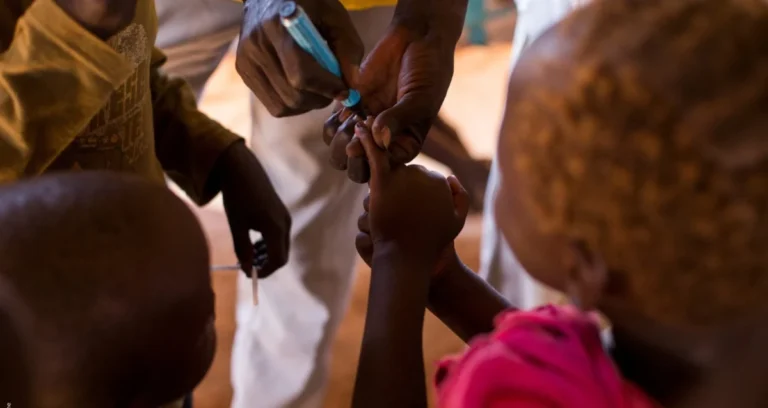
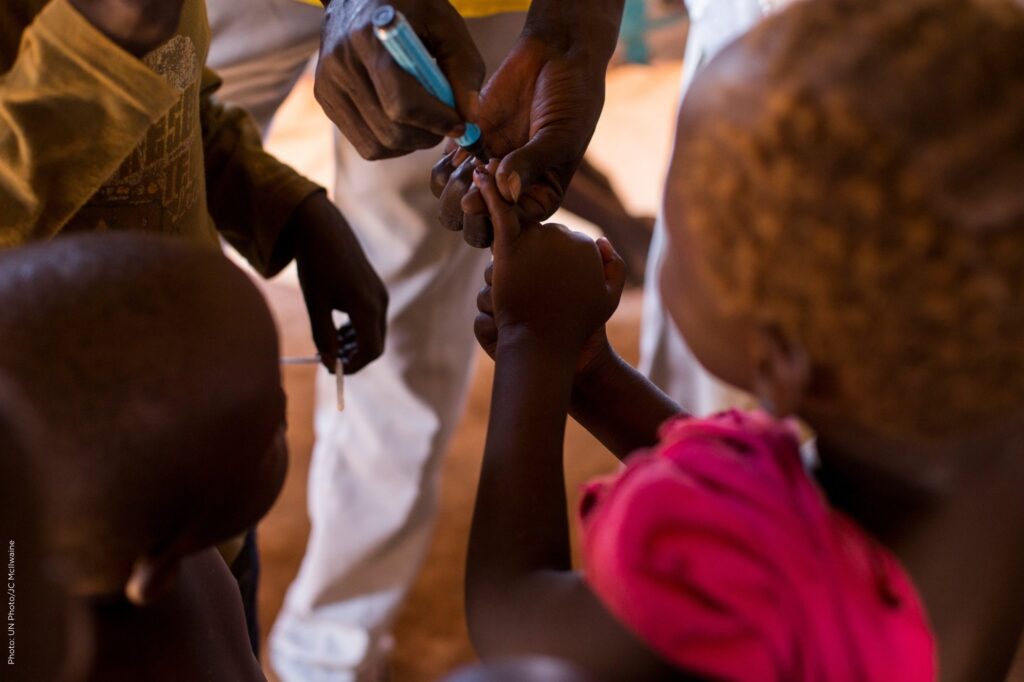
Despite these severe financial constraints, African health authorities and grassroots implementers have demonstrated extraordinary resilience and resourcefulness. Through unprecedented cross-border collaboration and synchronized regional drives, public health workers managed to vaccinate nearly 200 million children under the age of five across sub-Saharan Africa. The impact of these targeted interventions has been transformative: in the Democratic Republic of Congo, reported type 1 polio cases plummeted from 149 in 2022 to just a single confirmed case by 2025.
Comprehensive data from the first half of 2026 indicates that overall polio detections in the World Health Organization (WHO) African Region have declined by 33% compared to 2024 baselines. Furthermore, persistent outbreaks that once threatened communities in Burundi, Ghana, Guinea-Bissau, the Republic of Congo, and Uganda were successfully contained and closed.

Chronology of Recent Regional Interventions
The success of Africa’s polio eradication framework relies heavily on rapid, coordinated responses to environmental surveillance signals.
Early Year Response in Malawi:
The operational gold standard for outbreak response was demonstrated in Blantyre, Malawi, following the detection of poliovirus in environmental sewage samples. Galvanized by strong political will and swift resource mobilization, the Malawian government launched an intensive four-day immunization blitz. The campaign successfully reached 1.3 million children, ultimately averting community-wide transmission and serving as a blueprint for rapid containment.
Horn of Africa Coordination:
In the Horn of Africa, persistent transmission vectors have historically been driven by dense population displacements and porous borders. Between February and April 2025, a massive, synchronized immunization campaign bridged international divides, reaching over 18 million children across Djibouti, Ethiopia, Kenya, and Somalia. This momentum continued into May of that year, when Ethiopian health authorities reached an additional one million children residing in high-risk border zones and refugee settlements.
Sub-Saharan Spring Campaigns:
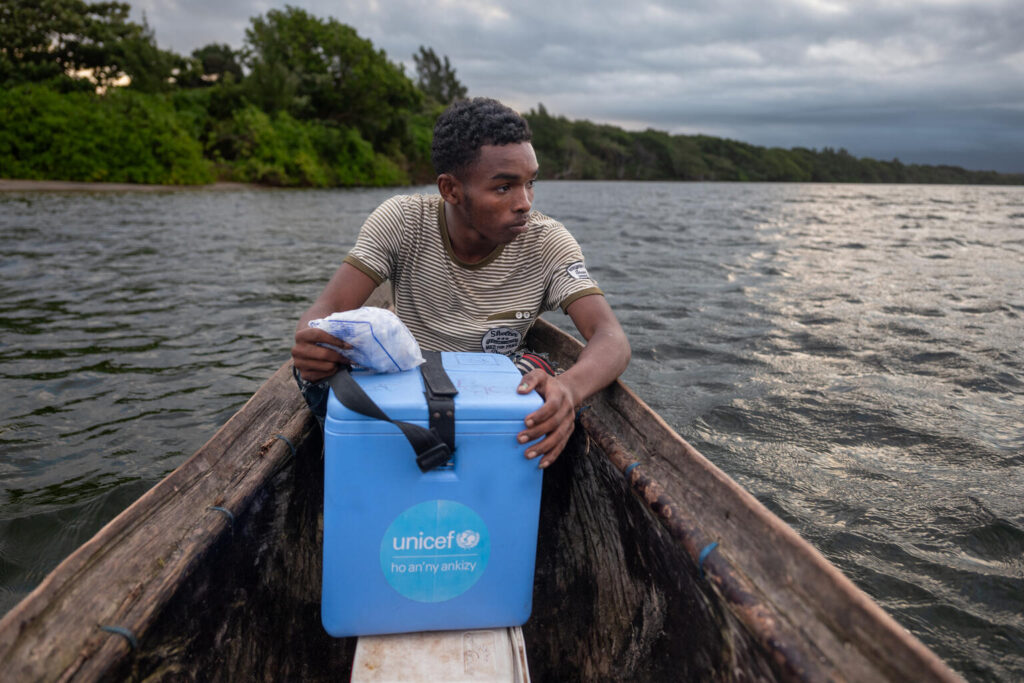
Between January and September 2026, over 168 million children across sub-Saharan Africa received at least one dose of the polio vaccine, executed via targeted campaigns spanning 22 countries. This included a critical cross-border mobilization in March 2026 that protected more than 10 million children across Angola, Namibia, and the DRC after laboratory sequencing confirmed that over three dozen regional cases shared direct genetic links.
A Four-Point Strategic Roadmap for Sustainable Eradication
To secure the final milestones of eradication and prevent programmatic backsliding, public health experts emphasize a robust, four-point strategic framework:
-
Securing Long-Term Sustainable Financing:
Without predictable, multi-year funding streams, maintaining the rigorous surveillance architectures, reference laboratories, and rapid response mechanisms necessary for a post-eradication era remains precarious. Closing funding gaps is paramount to keeping eradication programs operational.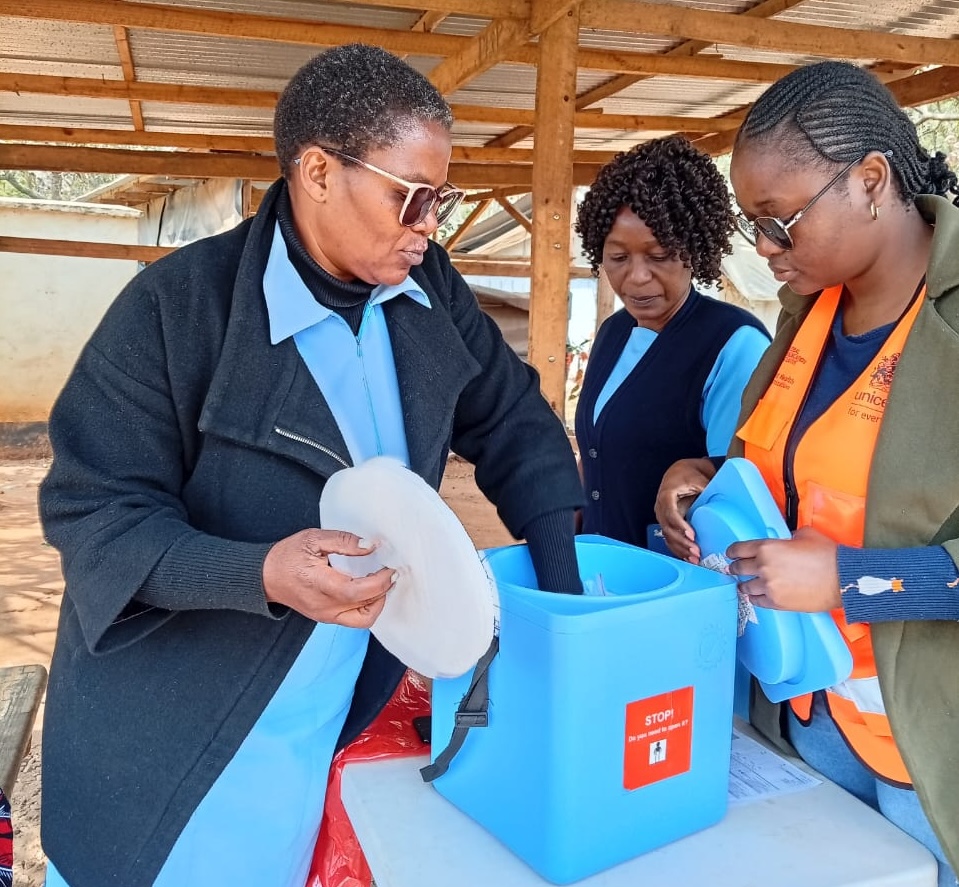
-
Leveraging Dual-Purpose Health Infrastructure:
Decades of investment in polio eradication have established invaluable physical and human infrastructure—including cold-chain storage, data-sharing protocols, and trained community health networks. As nations like the DRC concurrently combat virulent pathogens such as Ebola, these established polio assets provide the foundational command-and-control scaffolding required to manage complex public health emergencies effectively. -
Enhancing Cross-Border Collaboration:
Geographic mobility—particularly in transient economic zones such as the Lake Chad Basin and pastoral corridors—demands harmonized regional policies. Strengthening data harmonization, synchronized vaccination scheduling, and cross-border task forces ensures that nomadic and migratory children do not slip through institutional cracks. -
Upgrading Testing and Diagnostic Speed:
Timely epidemiological containment relies entirely on rapid laboratory feedback loops. Regional investments must prioritize upgrading laboratory sequencing capabilities, streamlining sample transport logistics, and decentralizing diagnostic testing so that field teams can react within hours of virus detection rather than weeks.
Implications for Global Health Security

The convergence of recurrent polio outbreaks with concurrent infectious disease threats serves as an urgent reminder of the interconnectedness of modern biosecurity. Public health analysts point out that maintaining robust polio surveillance is not merely a single-disease objective; it acts as an early-warning radar system for broader pathogen emergence.
Public health advocates maintain that prevention remains the most economically sound and ethically imperative approach to global health policy. As observed by Dr. Mohamed Janabi, WHO Regional Director for Africa, the collective endurance of the continent’s health workforce illustrates that with steadfast political leadership, deep community engagement, and resilient international partnerships, a polio-free future is attainable.
However, realizing this vision requires the international community to honor its commitments, bridge emerging resource deficits, and support the frontline workers executing the final miles of eradication. Safeguarding children against a preventable paralyzing disease simultaneously reinforces the structural integrity of Africa’s broader public health systems, insulating populations against the unpredictable epidemiological threats of tomorrow.