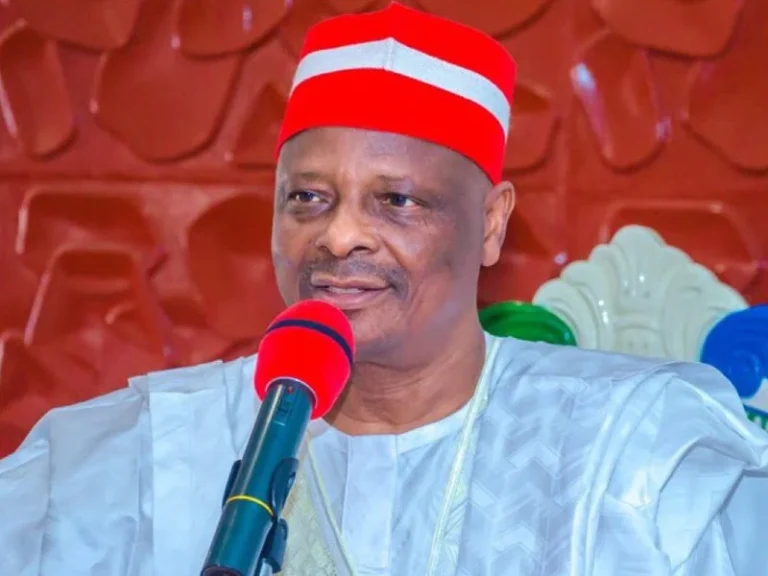
Rabiu Musa Kwankwaso, the vice-presidential candidate of the Nigeria Democratic Congress (NDC) and former Governor of Kano State, has declared that an administration led by Peter Obi and himself would prioritize direct dialogue with terrorists, bandits, and other criminal elements as a primary strategy to resolve Nigeria’s protracted security challenges. Speaking during an extensive interview on Channels Television on Monday, Kwankwaso outlined a multifaceted approach to national security that balances diplomatic engagement with military readiness. He asserted that the current escalation of violence across the federation necessitates a shift in strategy, focusing on reconciliation, the restoration of community trust, and addressing the root causes of radicalization.
According to Kwankwaso, the proposed NDC government would not shy away from sitting at the table with those currently waging war against the state. He argued that such engagements are essential to "discourage" perpetrators from continuing their campaigns of violence and to provide a pathway for those willing to lay down their arms. This stance marks a significant policy pillar for the Obi-Kwankwaso ticket as the nation prepares for the 2027 general elections, positioning their platform as one of de-escalation and grassroots intelligence-gathering.
The Strategy of Engagement and Reconciliation
The cornerstone of Kwankwaso’s security proposal lies in the belief that many individuals involved in criminal activities can be persuaded to reintegrate into society if presented with a viable alternative and a platform for grievances to be heard. During the interview, he emphasized that "we will talk to everybody," suggesting that no group would be inherently excluded from the dialogue process if it meant achieving a lasting peace.
Kwankwaso explained that the objective of these talks would be to understand the motivations behind the attacks and to use state influence to dissuade further hostilities. By engaging directly with the leadership of various armed groups, the administration aims to break the cycle of retaliatory violence that has characterized several regions of the country. This "carrot-and-stick" approach, however, does not signify a total abandonment of force. Kwankwaso clarified that while dialogue is the preferred first step, the military remains a critical component of the national security architecture. He noted that where negotiations fail or where groups refuse to cease hostilities, the full weight of the Nigerian Armed Forces would be deployed to protect the lives and property of citizens.
Restoring Trust in Grassroots Intelligence
A significant portion of Kwankwaso’s argument centered on the disconnect between local communities and national security agencies. He pointed out a glaring paradox in Nigeria’s security crisis: while the identities and hideouts of many criminals are known to the residents of affected areas, this information rarely reaches the authorities in a way that leads to successful operations.
"You see, all these things that are happening today, if you go to localities, those places that these insecurities are happening, I can tell you people know almost everything," Kwankwaso stated. He noted that residents are often aware of the names of the insurgents, their specific locations, and their patterns of movement. However, a deep-seated fear of reprisal and a historical lack of protection from the state have silenced these potential informants.
Kwankwaso lamented that many villagers who had previously attempted to cooperate with security agencies suffered dire consequences when their identities were leaked or when the state failed to follow through on the provided intelligence. Consequently, a primary objective of the Obi-Kwankwaso administration would be to rebuild this broken trust. By ensuring the safety of whistleblowers and demonstrating a consistent presence in vulnerable areas, the NDC aims to turn local populations into active partners in the fight against crime.
A Comparative Look at Nigeria’s Insecurity Landscape
The context for Kwankwaso’s proposal is a nation grappling with various forms of violent conflict. In the North-East, the decade-long insurgency by Boko Haram and the Islamic State West Africa Province (ISWAP) has led to the deaths of tens of thousands and the displacement of millions. In the North-West and North-Central regions, banditry and mass kidnappings for ransom have become a lucrative criminal industry, paralyzing agricultural activities and inter-state travel. Meanwhile, the South-East continues to face tensions linked to separatist agitations and "unknown gunmen," while the South-South deals with the remnants of militancy and oil theft.
Data from the Nigeria Security Tracker (NST) and other independent monitoring groups indicate that thousands of Nigerians are killed annually in violent incidents. In 2023 alone, reports suggested that over 8,000 people lost their lives to insecurity-related events. The economic impact is equally devastating; the World Bank and various economic think tanks have frequently cited insecurity as a major driver of food inflation in Nigeria, as farmers are unable to access their lands for fear of being killed or kidnapped.
Kwankwaso’s proposal for dialogue draws on historical precedents in Nigeria, such as the 2009 Presidential Amnesty Programme for Niger Delta militants initiated by the late President Umaru Musa Yar’Adua. While that program succeeded in reducing attacks on oil infrastructure, critics have argued that similar attempts in the North-West have often been short-lived, with some bandits using the proceeds from "peace deals" to acquire more sophisticated weaponry.
The Evolution of the Obi-Kwankwaso Political Alliance
The 2027 presidential run represents a continuation of the political synergy between Peter Obi, the former Governor of Anambra State, and Rabiu Kwankwaso. In the 2023 elections, the duo ran under different platforms after failing to reach an agreement on a joint ticket—Obi with the Labour Party and Kwankwaso with the New Nigeria Peoples Party (NNPP). Their decision to align under the Nigeria Democratic Congress (NDC) for the upcoming cycle suggests a strategic consolidation of their respective bases: Obi’s "Obidient" movement, which draws heavy support from the youth and the southern regions, and Kwankwaso’s "Kwankwasiyya" movement, which maintains a formidable grassroots following in Kano and across the North.
The alliance aims to present a "third force" alternative to the ruling All Progressives Congress (APC) and the People’s Democratic Party (PDP). By tackling the security issue head-on with a controversial but specific plan, the ticket is seeking to differentiate itself from the incumbent administration’s approach, which has largely focused on kinetic military operations and technological surveillance.
Socio-Economic Consequences of Persistent Conflict
Beyond the immediate loss of life, Kwankwaso highlighted the broader socio-economic paralysis caused by insecurity. The "silence" of the communities he referenced is not just a security failure but a social one. When citizens no longer believe the state can protect them, they often turn to non-state actors for "protection" or simply withdraw from civic life.
The impact on education has also been profound. In the North-West, hundreds of schools have been closed periodically due to the threat of mass abductions. This has exacerbated the already high number of out-of-school children in the region, a demographic that Kwankwaso, during his time as governor, worked to reduce through scholarship programs and educational reform. Analysts suggest that the NDC’s focus on "talking to everybody" may be an attempt to stabilize the region long enough to re-implement these social development programs.
Military Intervention vs. Diplomatic Resolution
While the headline of Kwankwaso’s interview focused on dialogue, he was careful to maintain a stance of military readiness. The "NDC Security Blueprint" reportedly involves a significant overhaul of the welfare of security personnel. Kwankwaso hinted that the current morale within the military is affected by systemic issues, including equipment deficits and poor remuneration.
"If there is any issue that will require the services of the military or other security agencies, I can tell you, we will be very happy to do it," he said. This suggests a two-track policy:
- The Diplomatic Track: Establishing communication channels with insurgent leaders to negotiate surrenders and address local grievances.
- The Kinetic Track: Strengthening the capacity of the Nigerian Police and the Armed Forces to conduct precision strikes against recalcitrant elements who refuse the offer of dialogue.
Expert Reactions and Potential Policy Challenges
Security experts have expressed mixed reactions to the proposal of negotiating with terrorists. Some argue that dialogue is a pragmatic necessity in a conflict where a total military victory is unlikely in the short term. They point to international examples where peace was only achieved through long-term political settlements.
However, other analysts warn of the moral hazard associated with such a policy. There are concerns that offering dialogue to groups that have committed atrocities could be perceived as a sign of state weakness, potentially encouraging other groups to take up arms to gain leverage at the negotiating table. Furthermore, the question of justice for victims remains a sensitive issue; many Nigerians believe that those responsible for mass killings should face the law rather than a seat at a discussion table.
The APC and PDP are expected to challenge this stance as the campaign season heats up. Opponents are likely to argue that the government should not "negotiate with killers," a rhetoric that has resonated with many voters in the past.
Looking Ahead to the 2027 General Elections
As Rabiu Kwankwaso and Peter Obi solidify their platform, the security debate will undoubtedly remain at the forefront of the national discourse. The NDC’s willingness to propose a radical shift toward dialogue suggests a campaign that will focus heavily on the failures of the current security architecture.
For Kwankwaso, the goal is to convince the electorate that the "old ways" of handling insurgency have failed and that a new era of "confidence-building" and "grassroots intelligence" is the only way forward. Whether the Nigerian public is ready to embrace dialogue with those who have caused so much pain remains to be seen, but the Obi-Kwankwaso ticket has clearly set the stage for a high-stakes debate on the soul and safety of the nation.