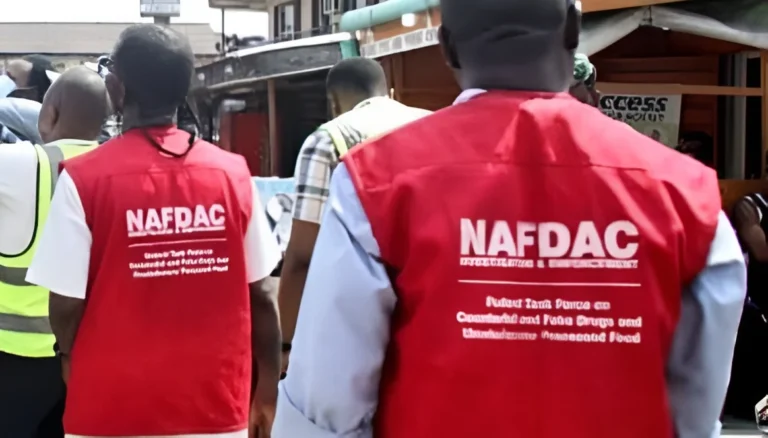
The National Agency for Food and Drug Administration and Control (NAFDAC) has successfully intercepted two specialized tankers in Lagos that were designated for the transportation of edible vegetable oil but were instead found to be carrying Automotive Gas Oil, commonly known as diesel. This significant enforcement action underscores the agency’s heightened vigilance in the face of increasing violations within the Nigerian food and beverage logistics sector. Speaking to members of the press on Monday, Martins Iluyomade, the NAFDAC Director of Investigation and Enforcement, characterized the incident as a "serious breach" of established food safety regulations and a direct threat to the health and well-being of the Nigerian public.
The discovery was the result of a targeted enforcement operation led by the agency’s specialized task force in Lagos, a hub for both industrial manufacturing and food distribution. According to Mr. Iluyomade, who also serves as the Chairman of the National Taskforce on food and drug violations, the two tankers were specifically manufactured and registered for the exclusive carriage of food-grade vegetable oil. However, during the inspection, investigators found that the vehicles were being utilized to move petroleum products, a practice that creates an immediate and irreversible risk of cross-contamination.
The Logistics of Contamination: A Breach of Protocol
The core of the violation lies in the dual-use of transport vessels. Under NAFDAC’s stringent regulatory framework, vehicles used for transporting "high-risk" food items, such as edible oils, must be dedicated solely to that purpose. This is because vegetable oils are lipids that easily absorb chemical residues from the walls of the tanks. Even after a cleaning process, the microscopic remnants of petroleum products—which contain heavy metals, hydrocarbons, and various toxic additives—can leach into the vegetable oil when the tanker is subsequently used for its original purpose.
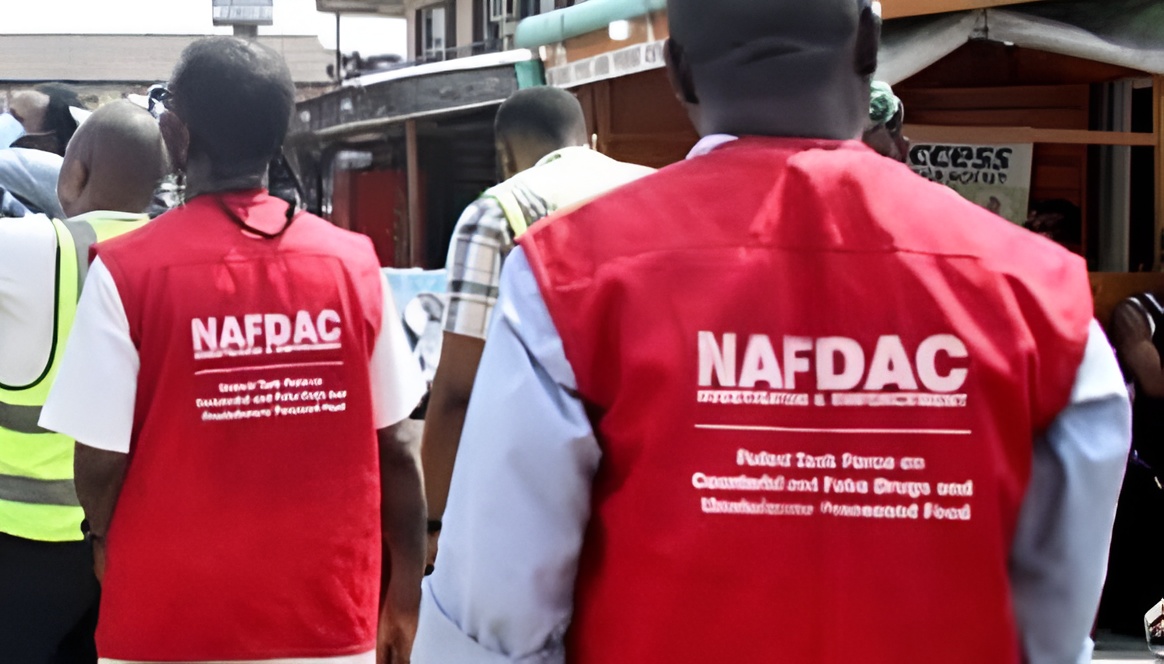
During the interrogation of the site officials, the manager of the facility claimed ignorance of the mandatory color-coding requirements that distinguish food-grade tankers from those carrying industrial chemicals or fuels. The manager further admitted that the vehicles in question had been utilized for transporting diesel previously, suggesting a systemic failure in the company’s internal safety protocols. NAFDAC officials have since taken the two tankers into custody and detained the drivers as part of a broader investigation to determine the duration of these activities and the destination of the contaminated loads.
Public Health Implications of Petroleum Residue in Food
The health risks associated with consuming vegetable oil contaminated by diesel are profound. Petroleum products like Automotive Gas Oil (AGO) are not intended for human consumption and contain volatile organic compounds (VOCs) and polycyclic aromatic hydrocarbons (PAHs). Scientific research indicates that long-term exposure to these substances, even in trace amounts, can lead to chronic health conditions, including kidney damage, liver dysfunction, and various forms of cancer.
"Vegetable oil has nothing to do with petrol or petroleum products, and that is why we are very particular about it," Mr. Iluyomade emphasized during the briefing. He explained that the molecular structure of fats makes them particularly susceptible to holding onto the toxic components of diesel. When consumers use oil that has been transported in such tankers, they are unknowingly ingesting chemical residues that no amount of domestic cooking or boiling can remove. This incident highlights a critical point in the food supply chain where a lack of integrity can lead to widespread public health crises.
Adherence to International Best Practices
NAFDAC’s insistence on dedicated tankers aligns with the "International Code of Practice for the Storage and Transport of Edible Fats and Oils in Bulk," established by the Codex Alimentarius Commission (a joint initiative of the FAO and WHO). These international standards dictate that the "previous cargo" of a food transport vessel must be strictly monitored. In many jurisdictions, the carriage of any non-food grade substance in a food-grade tank permanently disqualifies that tank from future food use.

The Nigerian regulatory environment mirrors these standards through the NAFDAC Act and various food safety guidelines. The agency requires clear labeling and color-coding of tankers to ensure that even from a distance, regulators and the public can identify the intended use of a vehicle. The failure of the intercepted company to adhere to these visual and functional standards is viewed by the agency not merely as an administrative error, but as a deliberate circumvention of safety laws designed to protect the Nigerian consumer.
Chronology of Recent Enforcement Actions
The interception of the diesel-carrying tankers is part of a larger, intensified "mop-up" operation by NAFDAC across the country. In recent months, the agency has moved aggressively against various forms of regulatory non-compliance.
- Late 2023: NAFDAC increased surveillance on open markets following reports of "recycled" vegetable oil being sold in unbranded containers.
- Early 2024: The agency launched a nationwide sensitization campaign for stakeholders in the transport and logistics sector, emphasizing the dangers of cross-contamination.
- Recent Weeks: NAFDAC blacklisted Onifam Laboratories due to repeated regulatory violations, signaling a "zero-tolerance" approach toward facilities that compromise on safety standards.
- Current Incident: The seizure of the tankers in Lagos serves as a high-profile warning to logistics companies that the agency is monitoring the "mid-stream" portion of the food supply chain—the transport phase between production and retail.
Economic and Industrial Implications
The implications of these violations extend beyond health into the realm of economic stability. Nigeria is a significant consumer of vegetable oil, with the market being a mix of locally produced palm and groundnut oils alongside imported refined oils. When rogue operators bypass safety standards to save on logistics costs, they create an unfair playing field for legitimate companies that invest heavily in dedicated, food-grade infrastructure.
Furthermore, food safety scares can lead to a decline in consumer confidence, affecting the entire value chain from farmers to retailers. If Nigerian food products are perceived as being prone to contamination, it also hampers the country’s ability to export food items to international markets, where safety documentation and transport history are scrutinized. By enforcing these rules, NAFDAC is effectively protecting the "Made in Nigeria" brand and ensuring that local products remain competitive and safe for both domestic and foreign consumption.

The Role of Public Oversight and Reporting
Director Iluyomade closed his briefing with a call to action for the general public. He urged Nigerians to become active participants in the regulatory process by reporting suspicious activities. This "citizen-led surveillance" is crucial in a country as large and logistically complex as Nigeria, where regulatory agencies cannot be in every location at once.
"The agency appeals to members of the public to support its enforcement efforts by reporting suspicious activities to the nearest NAFDAC office nationwide," Iluyomade stated. He noted that many successful interceptions begin with tips from whistleblowers, concerned employees, or observant citizens who notice tankers being used inappropriately.
Conclusion: A Future of Rigorous Oversight
The interception of the two tankers in Lagos is a clear signal that NAFDAC is shifting its focus toward the often-overlooked logistics sector of the food industry. As investigations continue, the agency has promised to apply the full weight of the law against the offenders, which could include heavy fines, permanent seizure of the vehicles, and criminal prosecution of the company’s directors.
The agency’s commitment to "international best practices" suggests that more stringent inspections of transport hubs, depots, and loading bays will become a regular feature of Nigeria’s food safety landscape. For operators in the edible oil sector, the message is clear: compliance with color-coding and dedicated usage is not optional, and the "ignorance of the law" defense will no longer shield companies from the consequences of endangering public health. Through these actions, NAFDAC continues to serve as the primary shield against the hidden dangers within the nation’s food supply chain, working to ensure that what reaches the Nigerian dinner table is both nutritious and, above all, safe.