The Finnish city of Rovaniemi, internationally celebrated as the "Gateway to the Arctic" and the mythical home of Santa Claus, has transformed into a high-stakes geopolitical theater. As the autumn foliage blankets the forests of Lapland, European heads of state and senior officials have gathered at the invitation of Finnish Prime Minister Petteri Orpo. The summit, held at the Arktikum science center, marks a pivotal moment for the European Union, which is currently drafting a comprehensive new strategy to address the rapid militarization and climate-driven transformation of the High North. The urgency of the gathering is underscored by a dual crisis: the shadow of Russia’s ongoing war in Ukraine and a shifting global order that has rendered the Arctic a central arena for great power competition.
A Rapidly Evolving Security Landscape
The security architecture of the High North has undergone a radical shift over the past three years. For decades, the region was characterized by the "Arctic Exceptionalism" doctrine, which posited that the North would remain a zone of peace and low tension, largely insulated from the geopolitical frictions of the south. That era has definitively ended.
EU Foreign Policy Chief Kaja Kallas, speaking from the sidelines of the summit, highlighted a disturbing trend of increased Russian activity. Intelligence reports indicate that Moscow is systematically reopening shuttered Soviet-era military installations and conducting frequent, provocative missile exercises. These actions, combined with the Kremlin’s reliance on hybrid tactics, have forced European nations to adopt a defensive posture.
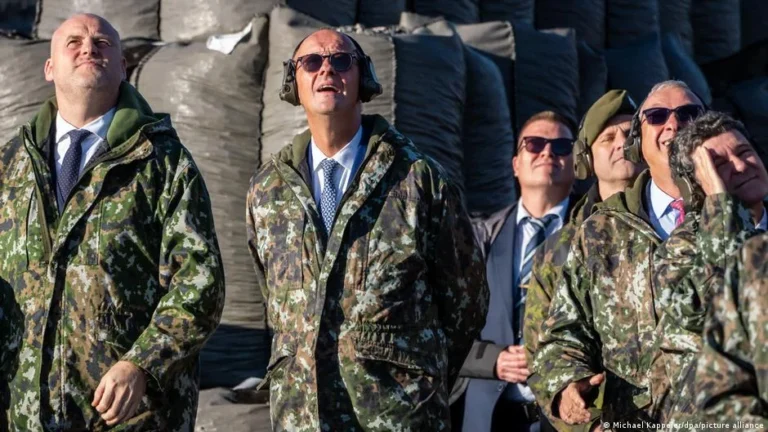
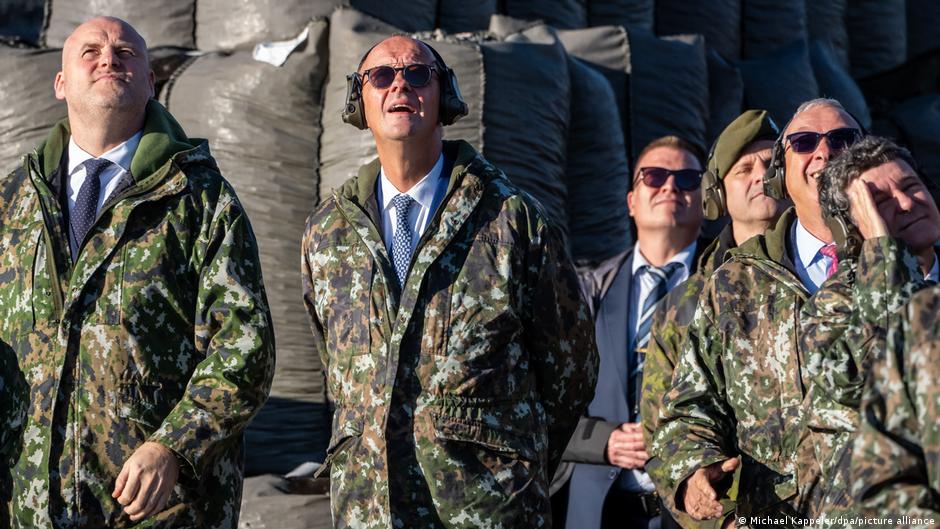
The strategic importance of Rovaniemi itself is symbolic of this change. Situated just kilometers from the Arctic Circle, the city hosts a critical air force base where, under a cloudless blue sky, Finnish fighter jets performed a demonstration of readiness for the gathered leaders. This facility serves as a nerve center for monitoring the 1,340-kilometer border between Finland and Russia—a boundary that, since Finland’s accession to NATO, now represents the longest frontier between the alliance and the Russian Federation.
Chronology of a Changing North
To understand the current tension, one must look at the timeline of regional stability:
- 2014: The annexation of Crimea begins a slow decay in East-West cooperation, though Arctic scientific exchange largely continues.
- 2021: The European Commission releases its previous Arctic Strategy, which focused heavily on climate mitigation and sustainable development.
- February 2022: Russia’s full-scale invasion of Ukraine triggers an immediate freeze in Arctic Council cooperation, effectively sidelining Moscow from multilateral forums.
- April 2023: Finland officially joins NATO, fundamentally altering the security balance in Northern Europe.
- March 2024: Sweden follows suit, completing the transition of the Nordic bloc into a unified NATO theater.
- October 2026 (Projected): The European Commission is scheduled to finalize an updated Arctic Strategy, emphasizing military mobility and critical infrastructure.
Economic and Resource Competition
Beyond military posture, the summit addressed the intensifying scramble for the region’s natural resources. German Chancellor Friedrich Merz, navigating a complex political environment at home to attend the summit, emphasized that the Arctic is not merely a security buffer but a vital economic frontier. The melting of the Arctic ice sheet—which scientists project will lead to largely ice-free summers in the central Arctic Ocean between 2040 and 2050—is opening new maritime corridors.
These "Northern Sea Routes" promise to drastically shorten shipping distances between Asian and European markets. However, the exploitation of these routes, coupled with the extraction of rare earth elements and critical minerals necessary for the green energy transition, has attracted the attention of global powers. China, while not an Arctic nation, has declared itself a "near-Arctic state," increasing its investment in scientific research and infrastructure in the region. European leaders expressed a unified need for vigilance, fearing that these economic interests could be leveraged as instruments of geopolitical coercion.
The Impact of Transatlantic Friction
A significant layer of complexity at the Rovaniemi summit was the discussion regarding the United States’ shifting role in Arctic governance. Analysts like Timo Koivurova of the University of Lapland have pointed to a growing divergence between Washington and its European allies. Recent proposals from the U.S. executive branch regarding the potential purchase of Greenland and the hypothetical integration of Canada into the U.S. political fold have sent shockwaves through Arctic diplomatic circles.
These developments are viewed by many experts as "stress factors" that undermine the rules-based international order. The U.S. position on climate change—a cornerstone of Arctic policy for decades—has also shifted, with the current administration moving to remove references to the climate crisis from joint statements. This creates a vacuum in leadership that European states are now attempting to fill, though they face the daunting task of maintaining a unified front while their primary security partner, the United States, pursues an increasingly isolationist or unilateralist trajectory.
Data and Strategic Imperatives
The scientific data presented at the summit confirms that the Arctic is warming at approximately four times the global average. This acceleration has direct security implications:
- Infrastructure Degradation: Permafrost thaw threatens existing military and civilian infrastructure, necessitating massive new investments in "hardened" transport networks.
- Dual-Use Technology: The summit’s joint declaration calls for a focus on dual-use technology—systems that serve both civilian and military needs, such as satellite arrays for navigation and communications, which are vital in the harsh, remote environment of the High North.
- Logistical Resilience: Investment in heavy-duty icebreaking vessels has been identified as a critical priority, as the ability to project power in ice-covered waters remains a distinct Russian advantage that NATO must close.
Implications for the Future
The consensus emerging from Rovaniemi is that the European Union must transition from a reactive to a proactive strategy. Prime Minister Orpo’s call for "strengthened resilience" serves as a roadmap for the coming decade. This includes integrating the northern regions of the EU into a cohesive defense network that prioritizes not just physical borders, but digital sovereignty and supply chain security for critical raw materials.
As the summit concluded, the juxtaposition of the leaders’ discussions was striking. A few miles from the Arktikum, the Santa Claus Village continued its year-round operations, a testament to the region’s peaceful, tourism-driven identity. However, the leaders in attendance appeared acutely aware that the "Arctic peace" is no longer a given. The transition from cooperation to confrontation is a reality that has settled over the North, and the strategy finalized in the coming months will likely define European security for the remainder of the century.
The summit participants left Rovaniemi with a clear, if sobering, mandate: to ensure that the High North remains a region where European interests are defended, environmental change is managed, and the temptation for regional hegemony by rival powers is effectively checked through collective investment and unwavering diplomatic resolve. Whether this strategy will be enough to withstand the dual pressures of a warming planet and a cold war-style geopolitical standoff remains the defining question of the decade.