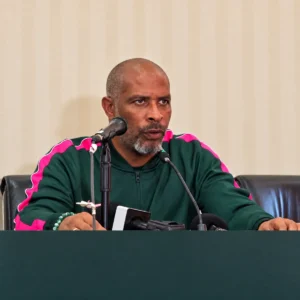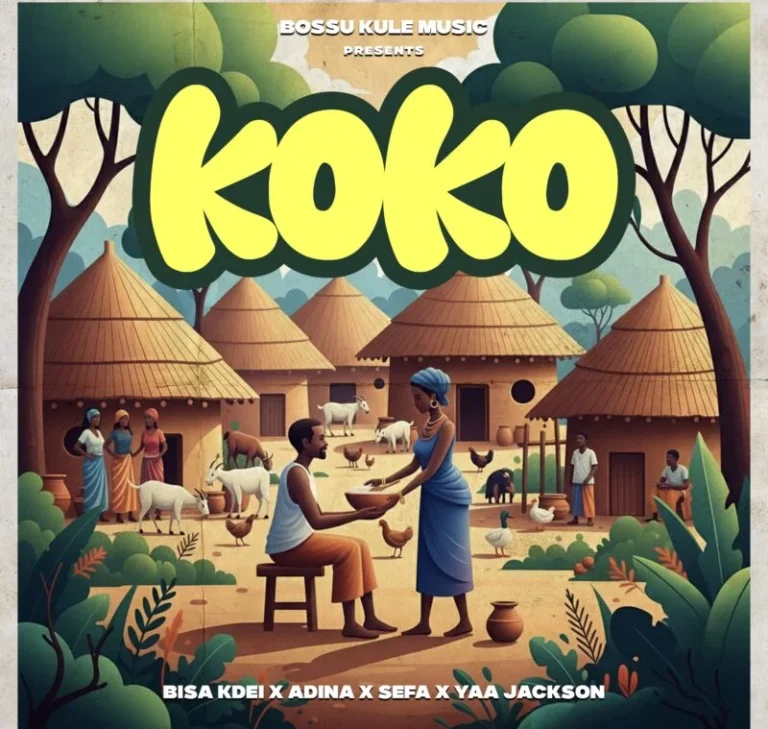
The landscape of the African music industry, particularly within the vibrant West African hub of Ghana, has long been shaped by visionary architects operating away from the glare of stage lights. Among these vital behind-the-scenes figures is Emmanuel Arhin, widely recognized across the entertainment sector by his professional moniker, Bossu Kule. For years, Arhin has built an illustrious reputation as a consummate talent manager and astute music producer, steering the careers of various acts and contributing significantly to the operational machinery of the contemporary Ghanaian soundscape. However, in a definitive career pivot that has captured the attention of industry insiders and music enthusiasts alike, Arhin has officially stepped out of the shadows to launch his own recording career. His debut musical offering, a meticulously crafted and heavily anticipated single titled KOKO, represents not merely a personal milestone for the creator, but a strategic convergence of some of the most formidable vocal talents working in the region today.
Released to widespread acclaim across multiple streaming platforms and digital distribution networks, KOKO immediately establishes its artistic ambition through its sheer scale of collaboration. Rather than adopting the cautious approach typical of debut releases from first-time recording artists—who frequently opt for solo performances or minimalist features—Bossu Kule has orchestrated an expansive ensemble project. The track brings together an impressive, cross-generational lineup of established Ghanaian artists, bridging distinct musical styles and commercial demographics. The collaborative roster features the soul-stirring vocal dexterity of award-winning songstress Adina, the contemporary afrobeats charm and dynamic stage presence of Sefa, the unapologetic and edgy delivery of multi-talented entertainer Yaa Jackson, and the seasoned, soulful gravitas of highlife heavyweight Bisa Kdei. By uniting these diverse artistic forces under a single sonic umbrella, KOKO transcends the status of a routine vanity project, emerging instead as a thoughtfully curated showcase of modern Ghanaian musical prowess.
The Genesis of a Producer: Background Context and the Evolution of Bossu Kule
To fully appreciate the significance of Bossu Kule’s transition to the performance arena, one must examine the foundational architecture of his career within the Ghanaian entertainment industry. Emmanuel Arhin did not materialize overnight within the recording studios; rather, his reputation was forged through years of relentless administrative toil, strategic brand positioning, and hands-on artist development. In the highly competitive ecosystem of African popular music, talent management is often an unglamorous vocation characterized by crisis management, contract negotiations, media relations, and the intricate navigation of digital distribution pipelines.
For a considerable duration, individuals functioning in Arhin’s capacity remained anonymous to the general public, serving as the invisible scaffolding upon which mainstream stars built their public personas. Over the past decade, however, a noticeable paradigm shift has occurred globally and locally. Music producers, executive producers, and artist managers are increasingly stepping into the foreground, leveraging their industry acumen, extensive professional networks, and personal brands to author projects directly. This trend reflects a broader democratization of the music business, where industry veterans possess not only the technical know-how to construct hit records but also the direct commercial leverage required to command an audience from day one.
Bossu Kule’s entry into this producer-artist echelon follows a well-trodden global path paved by legendary figures such as Quincy Jones, DJ Khaled, and, closer to home, prominent African beatmakers and label executives who curate collaborative albums. By pooling his extensive network of professional relationships—forged over years of coordinating studio sessions, booking tours, and handling public relations—Arhin positioned himself uniquely to secure top-tier collaborations for his debut. The creation of KOKO was not a haphazard studio jam session, but the calculated culmination of years spent studying the commercial viability, structural demands, and aesthetic preferences of the Ghanaian music consumer.
Anatomy of a Collaboration: Decoding the Lineup of KOKO
The primary driver of media interest surrounding KOKO lies in its formidable roster of featured artists, each bringing a distinct sonic identity and specialized fan base to the production. The inclusion of Bisa Kdei anchors the track in the rich, authentic soil of Ghanaian highlife tradition. As a multiple award-winning singer, songwriter, and producer who has consistently championed the preservation and modernization of highlife music on the global stage, Bisa Kdei lends the recording an undeniable air of authority and emotional depth. His signature raspy vocals and melodic sensibilities provide a sturdy traditional foundation that grounds the more contemporary elements of the arrangement.
Complementing this highlife heritage is the contemporary vocal brilliance of Adina Thembi Ndamse, professionally known simply as Adina. Renowned for her powerful, crystalline voice and her immense versatility—seamlessly traversing afro-pop, soul, R&B, and highlife—Adina’s contribution elevates the track’s melodic ceiling. Her ability to deliver soaring, emotionally resonant hooks has made her one of the most reliable and sought-after collaborators in the Ghanaian music industry, and her presence on KOKO ensures strong commercial appeal across diverse demographic segments.
Adding a layer of modern afrobeats flair and uninhibited confidence is Sefa, signed under the influential Black Avenue Muzik imprint. Sefa has carved a formidable niche for herself as a hitmaker, known for chart-topping anthems that dominate radio airwaves and nightlife venues alike. Her smooth vocal delivery and sultry aesthetic bring a contemporary urban energy to the ensemble, ensuring that KOKO resonates deeply with the younger, club-going demographic that drives modern streaming metrics.
Rounding out this star-studded quartet is Yaa Jackson, a multi-faceted creative whose journey from child acting icon to a force in the local music scene has been closely followed by the public. Yaa Jackson brings a raw, edgy, and unapologetic persona to the track, infusing her verses with a distinct attitude that adds stylistic contrast to the more polished vocal stylings of Adina and Sefa. The deliberate juxtaposition of these four distinct artists demonstrates a sophisticated curatorial vision on the part of Bossu Kule, transforming KOKO into a microcosm of the contemporary Ghanaian music spectrum where highlife, afro-pop, soul, and street-hop seamlessly intersect.
Chronology of a Release: From Concept to Global Distribution
The public rollout of KOKO followed a carefully structured digital and traditional media campaign designed to maximize impact within the competitive West African release calendar. While the conceptualization of the project began months prior within private recording studios in Accra, the formal announcement of the single served as a masterclass in modern music marketing.
In the weeks leading up to the official release date, industry observers and fans alike were treated to cryptic teasers across Bossu Kule’s verified social media channels, featuring behind-the-scenes footage from the studio sessions and brief visual snippets of the featured artists. This targeted anticipation-building strategy successfully leveraged the individual social media footprints of Bisa Kdei, Adina, Sefa, and Yaa Jackson, creating a multiplier effect that amplified the reach of the announcement far beyond Arhin’s immediate professional network.
Upon its official drop, KOKO was made simultaneously available across all major global digital service providers (DSPs)—including Spotify, Apple Music, Audiomack, Boomplay, and YouTube—ensuring instantaneous access for the global African diaspora. Crucially, the release was accompanied by a high-definition official music video hosted on YouTube. Directed with a keen eye for visual aesthetics, the accompanying video captures the collaborative energy of the studio environment, showcasing the camaraderie and creative chemistry shared between Bossu Kule and his star-studded ensemble. The visual component has proven instrumental in driving audience engagement, translating audio streams into tangible visual consumption and social media sharing.
Industry Analysis: The Broader Implications of Executive-Led Projects
The release of KOKO by an established talent manager and producer carries several important implications for the current structure of the Ghanaian music economy. For decades, the traditional pipeline for Ghanaian music production remained strictly bifurcated: artists created the music, while managers and executives administered the business affairs behind closed doors. However, as the digital transformation of the global music industry accelerates, boundaries between administrative roles and creative authorship are becoming increasingly porous.
When industry insiders such as Bossu Kule step into the recording booth or assume executive production credits for original collaborative works, it signals a deeper understanding of intellectual property creation and revenue diversification. In an era where streaming royalties, sync licensing, and strategic publishing rights constitute vital revenue streams for music professionals, owning or co-authoring a master recording provides executive producers with a direct equity stake in the commercial upside of their labor. This shift empowers management professionals, granting them greater creative autonomy and financial leverage within an industry that has historically favored artists over administrative personnel.
Furthermore, multi-artist collaborative projects of this magnitude serve a vital community-building function within the local industry. By assembling artists who might otherwise operate within competing label camps or distinct stylistic silos, executive curators foster a spirit of creative solidarity and cross-pollination. This collaborative ethos not only enriches the musical product itself but also expands the target audience, as fans of Bisa Kdei are introduced to the work of Yaa Jackson, and vice versa. Such strategic alliances help break down artistic echo chambers, driving greater cultural cohesion within the broader Ghanaian entertainment ecosystem.
Market Reception and Public Engagement
Initial responses from music critics, disc jockeys, and digital consumers indicate a highly favorable reception for KOKO. Radio programmers across major urban centers in Ghana have integrated the track into heavy rotation, praising its infectious rhythm, balanced vocal arrangements, and professional production standards. On digital streaming platforms, the single has steadily climbed various user-generated and algorithmic playlists, reflecting strong initial traction and high listener retention rates.
Social media platforms have likewise served as a barometer of the song’s early success, with fans and fellow industry figures sharing excerpts of the music video, analyzing the lyrical contributions of the respective artists, and offering congratulatory messages to Bossu Kule on his successful artistic debut. The widespread sharing of the track highlights the efficacy of the collaborative strategy deployed by Arhin, proving that star power, when thoughtfully and cohesively harnessed, remains one of the most potent drivers of audience engagement in modern pop culture.
Looking Ahead: The Future of Bossu Kule’s Recording Career
As KOKO continues to gather momentum across domestic and international airwaves, industry watchers are inevitably left speculating about the future trajectory of Emmanuel Arhin’s recording career. Will KOKO remain a singular creative excursion—a celebratory milestone marking years of dedication to the craft of artist management—or does it signal the permanent expansion of Bossu Kule’s professional portfolio into the realm of active music creation and executive-produced compilation projects?
While Arhin has yet to officially confirm whether a full-length collaborative album or extended play (EP) is currently in development, the overwhelming positive response to his debut single suggests a viable pathway forward. In an industry perpetually hungry for fresh concepts, authentic collaborations, and high-level curation, the ability to assemble an all-star cast and deliver a commercially viable product is a rare and valuable commodity.
For now, the focus remains firmly fixed on the rollout and sustained promotion of KOKO. As the track solidifies its place on the charts and resonates with music lovers across the African continent and its global diasporic communities, Bossu Kule has firmly demonstrated that his creative vision extends far beyond the boardroom. By successfully orchestrating a harmonious blend of highlife tradition and contemporary afrobeats energy, Emmanuel Arhin has not only added a compelling new chapter to his own professional biography but has also enriched the ongoing narrative of modern Ghanaian popular music.