Despite documented declines in the prevalence of female genital mutilation (FGM) across parts of West Africa, public health advocates and human rights defenders are confronting an alarming evolution in how the practice is carried out. While grassroots organizing, survivor-led campaigns, and legal interventions have successfully chipped away at traditional practices, FGM is increasingly shifting away from rural, informal settings into sterile, formal clinical environments. This medicalization presents a complex challenge for healthcare regulators, legal systems, and human rights organizations attempting to eradicate a practice that international bodies now explicitly categorize as a violation of bodily integrity amounting to torture.

The momentum driving legal and social change reached a historic milestone in July 2025, when the ECOWAS Court of Justice issued a landmark ruling. The regional court found that the government of Sierra Leone’s failure to protect young girls from FGM met the international legal threshold for torture. This judicial victory underscored decades of relentless community-level advocacy spearheaded by survivors, activists, and former traditional practitioners—often referred to locally as soweis or exciseuses. Organizations such as the Amazonian Initiative Movement (AIM) in Sierra Leone and regional coalitions have mapped these grassroots movements in recent reports, highlighting how community-led dialogues have successfully persuaded traditional cutters to relinquish their instruments.
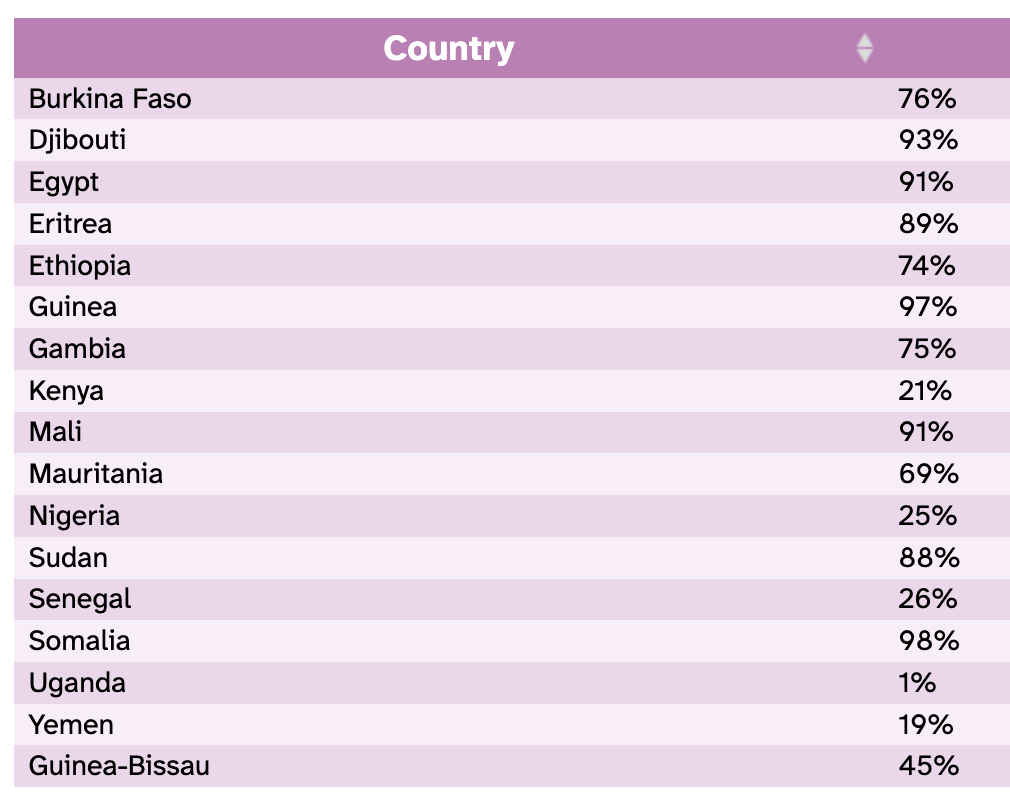
However, even as overall prevalence rates drop, the underlying mechanics of the practice are mutating. According to global data compiled by agencies like the United Nations Population Fund (UNFPA) and UNICEF, an estimated 230 million women and girls alive today have undergone some form of FGM. Within this staggering total, UNICEF estimates that approximately 52 million survivors—roughly one in four—were cut by trained healthcare personnel rather than traditional practitioners. In nations like Guinea, where national prevalence remains near 95%, roughly 15% of procedures are performed by medical workers. In Nigeria, that figure sits at approximately 13%. Furthermore, epidemiological data shows that the average age of victims is falling; in The Gambia, for instance, the average age of girls subjected to FGM has dropped from four years old to just before the age of two over the past three decades.
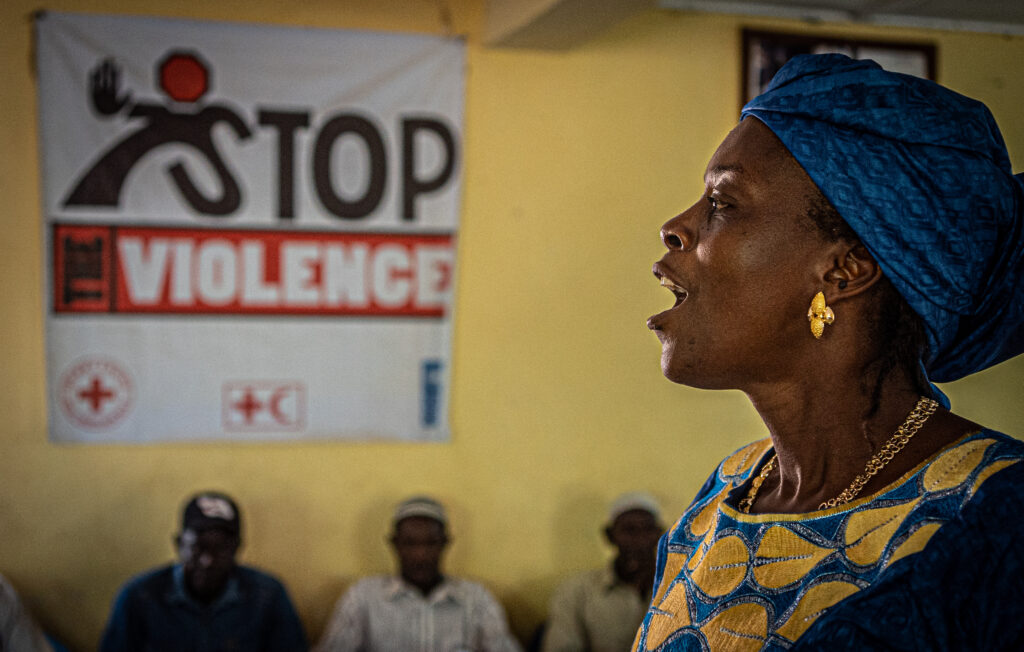
To understand why families continue to seek out FGM—and why they increasingly turn to medical professionals—observers must move beyond simplistic assumptions of ignorance or indifference. In many West African societies, the practice is deeply entwined with cultural belonging, social inclusion, and parental responsibility. Anthropological and sociological insights reveal that cutting is rarely viewed by practicing communities as an act of violence or a violation of rights. Instead, it is perceived as an essential rite of passage that ensures a girl’s respectability, marriageability, and social acceptance. Uncut girls, often labeled with derogatory terms such as solima in parts of West Africa, frequently face severe social ostracization, bullying, and exclusion from communal life. For parents operating within these belief systems, subjecting a daughter to FGM is viewed as a protective measure to secure her future and societal standing.
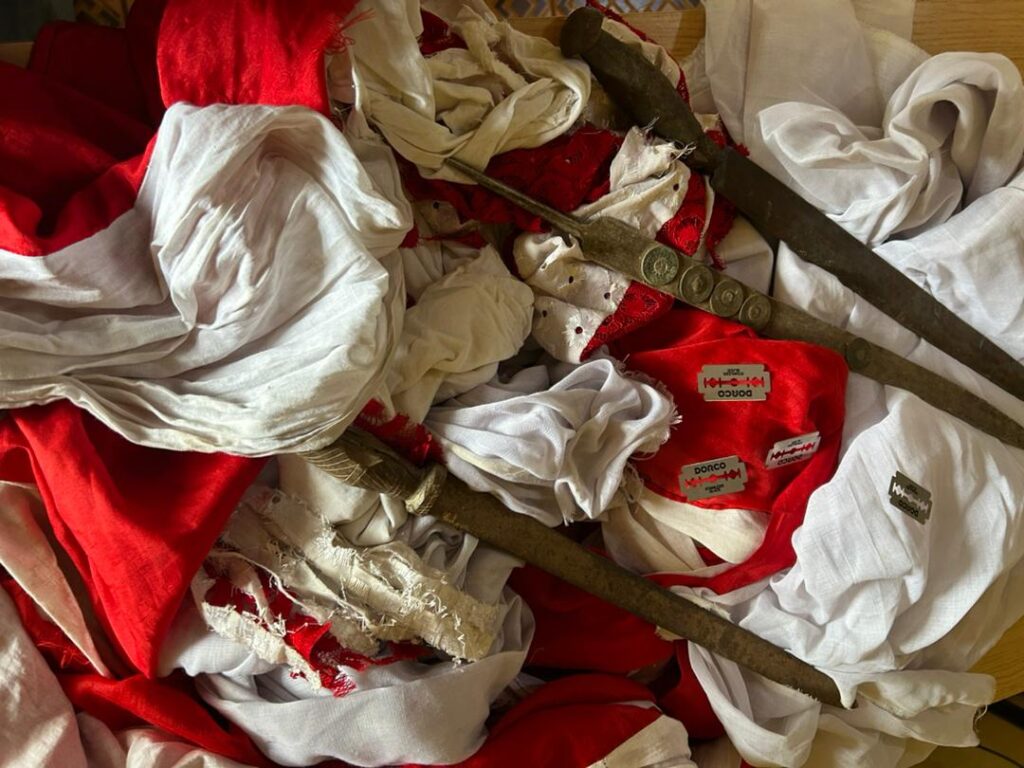
The shift toward medicalization is a direct consequence of this cultural framework intersecting with decades of public health messaging. For years, anti-FGM campaigns led by international and domestic organizations focused heavily on the immediate physical dangers of the traditional practice: unsterile cutting tools, reused razor blades, unsanitary mud floors, and severe post-operative infections. While these harm-reduction messages were successful in alerting parents to the dangers of septic conditions, they frequently left the core cultural motivations unchallenged. Consequently, many families adapted their approach rather than abandoning the tradition entirely. Reasoning that the danger lay in the unhygienic methods of traditional practitioners rather than the excision of healthy tissue itself, parents began turning to doctors, nurses, and midwives who could perform the procedure using sterile instruments, anesthesia, and clinical oversight.
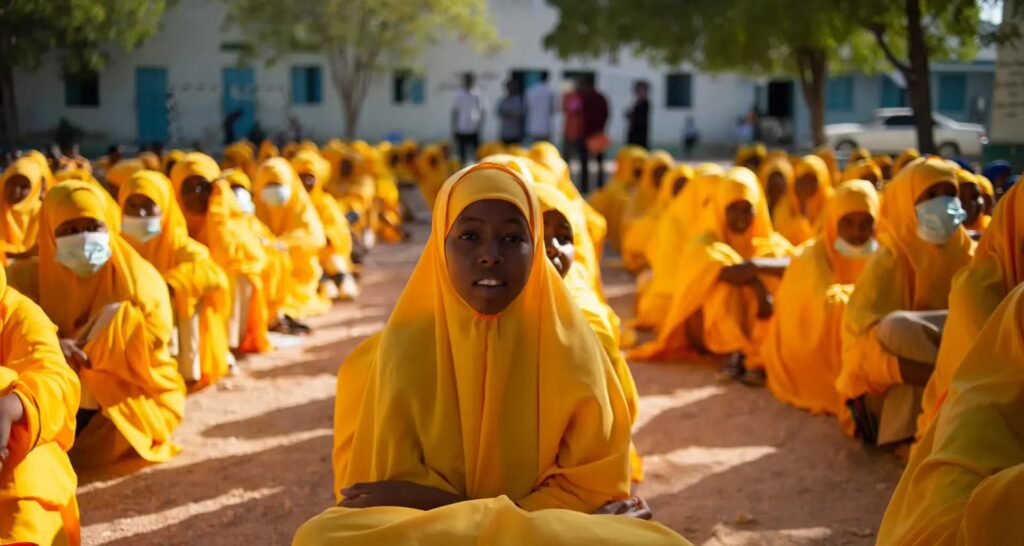
This trend was further reinforced by long-standing community beliefs that view FGM as a form of preventative healthcare. Proponents often argue that the procedure ensures genital hygiene, prevents infections, and curbs unbridled sexual desire, which communities frequently blame for early pregnancies, sexually transmitted infections, and social disruption. During legal challenges to national bans—such as the high-profile Supreme Court hearings in The Gambia—religious and community leaders have frequently testified that the practice holds religious and sanitary significance. When clinical settings are utilized, families believe they are securing the cultural benefits of the ritual while neutralizing its health risks.
The global medical community has recognized the severe threat posed by this trend. In early 2025, the World Health Organization (WHO) issued updated guidelines explicitly addressing the rise of medicalized FGM. The organization recommended that national medical and nursing councils enforce strict codes of conduct expressly prohibiting healthcare workers from performing, supervising, or referring patients for FGM under any circumstances. Furthermore, the WHO emphasized the need to train healthcare providers to act as agents of prevention, equipping them with communication strategies to sensitively decline requests from families while educating them on the long-term harms.
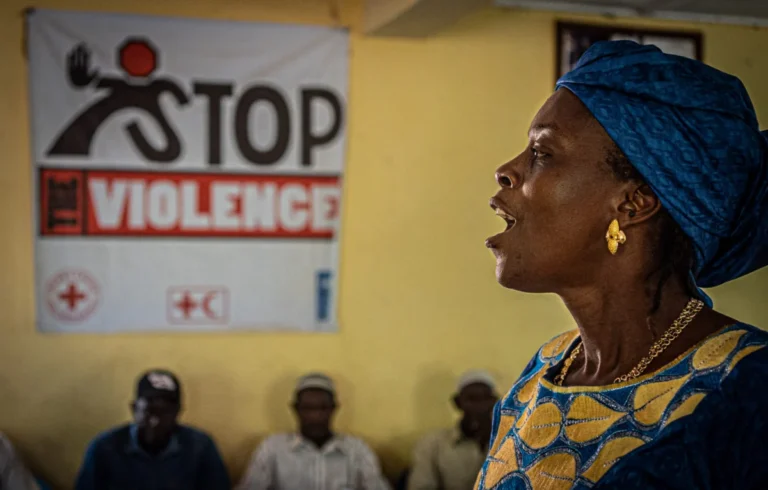
Medical ethicists and human rights advocates argue that supply-side interventions—such as punishing rogue practitioners or issuing clinical bans—must be paired with a fundamental reframing of the messaging surrounding FGM. Public health campaigns are increasingly urged to shift away from emphasizing mere unsanitary conditions and toward explicitly naming FGM as a form of gender-based violence and physical brutality that violates international human rights standards. Legal frameworks, reinforced by the 2025 ECOWAS Court ruling, establish that the removal of healthy tissue from a non-consenting minor constitutes torture, regardless of whether it occurs on a dirt floor with a rusty blade or on a sanitized operating table with a stainless-steel scalpel.
Medical associations, nursing boards, and health ministries across West Africa face mounting pressure to implement strict disciplinary measures against professionals who compromise their oaths. Experts argue that medical councils must establish clear, standardized penalties—including immediate suspension, revocation of operating licenses, and criminal prosecution—to ensure that a practitioner struck off a medical register in one country cannot simply relocate and continue practicing elsewhere.
Simultaneously, healthcare workers are uniquely positioned to serve as frontline educators. Unlike billboard campaigns or radio broadcasts that are frequently perceived as external interference, doctors, nurses, and midwives are approached directly by families seeking clinical cutting. When equipped with person-centred communication training, healthcare professionals can leverage the trust placed in them by patients to dismantle the myth that medicalized FGM is safe or therapeutic. Clinical trials in countries like Kenya, Guinea, and Somalia have demonstrated that patients whose healthcare providers engage in sensitive dialogues regarding FGM show a significant increase in opposition to the practice and a reduced likelihood of subjecting their own children to it.
Ultimately, the emergence of medicalized FGM highlights both the adaptability of traditional practices and the necessity for continued nuance in anti-FGM advocacy. As regional networks and international organizations work to protect the bodily autonomy of women and girls, the overarching message remains unequivocal: no venue can sanitize an act of violence. Eradicating FGM in all its evolving forms requires not only legal enforcement and regulatory oversight, but a deep, empathetic engagement with the social structures that sustain it—ensuring that the pursuit of cultural belonging no longer requires the sacrifice of human rights.