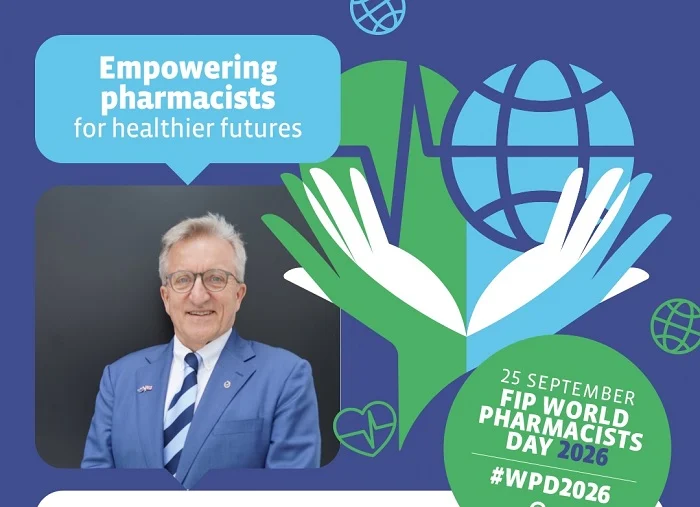
As pharmacists across the globe commemorate World Pharmacists Day on September 25, the International Pharmaceutical Federation (FIP) has issued a clarion call to governments, policymakers, and health stakeholders to prioritize the systemic integration and empowerment of the pharmacy profession. This year’s theme, "Empowering Pharmacists for Healthier Futures," underscores the pivotal role these professionals play in navigating the complexities of modern healthcare, from chronic disease management to the rapid digital transformation of medical services.
The FIP, which serves as the global body for pharmacists and pharmaceutical scientists, argues that the current global health landscape—marked by aging populations, the rising prevalence of non-communicable diseases (NCDs), and the existential threat of climate change—requires a paradigm shift in how pharmacists are utilized within national health frameworks. According to the federation, the profession must move beyond traditional dispensing roles to become fully recognized pillars of clinical care and public health strategy.
A Historical Perspective: The Origins of World Pharmacists Day
The celebration of World Pharmacists Day is deeply rooted in the history of global pharmaceutical cooperation. Established in 2009 by the FIP Council during a congress in Istanbul, Turkey, the date was chosen to honor the anniversary of the federation’s founding on September 25, 1912.
Since its inception, the day has evolved from an internal organizational commemoration into a massive global advocacy movement. It serves as a focal point for the profession to highlight its contribution to health—not just as custodians of medication, but as essential healthcare providers who improve access to care and enhance the resilience of health systems. Over the last decade, the day has been used to address diverse challenges, ranging from medication safety and antimicrobial resistance to the frontline role pharmacists played during the COVID-19 pandemic.
The Case for Empowerment: Why Pharmacists are Essential
FIP President Paul Sinclair has been vocal about the necessity of enabling pharmacists to practice to the "full extent of their expertise." In his address, Sinclair emphasized that pharmacists operate at the intersection of medicine supply, scientific innovation, and patient-centered delivery.
The rationale for this empowerment is supported by clear evidence. Pharmacists are often the most accessible healthcare professionals, particularly in rural or underserved areas where access to physicians may be limited. By leveraging their clinical expertise, health systems can achieve:
- Increased Efficiency: Reducing the burden on primary care physicians by managing minor ailments and medication reviews.
- Improved Patient Outcomes: Ensuring adherence to medication regimens, which remains one of the greatest challenges in the treatment of chronic conditions like hypertension and diabetes.
- Enhanced Health System Resilience: Creating a robust, distributed network of clinicians capable of responding to public health emergencies, as demonstrated by the pharmacy-led vaccination campaigns worldwide.
Supporting Data: The Global Pharmacy Landscape
The necessity for investment in the profession is backed by shifting demographic and epidemiological data. The World Health Organization (WHO) projects that by 2050, the world’s population aged 60 years or older will reach 2.1 billion, nearly doubling from 2020 levels. This demographic shift necessitates a substantial increase in medication management services.

Furthermore, current data indicates that medication non-adherence contributes to roughly 200,000 premature deaths in Europe annually and adds billions in unnecessary hospital admissions worldwide. Research consistently shows that pharmacist-led interventions—such as medication reconciliation, patient education, and point-of-care testing—can reduce these adverse outcomes by up to 30%. Despite this, many countries still restrict the legal scope of practice for pharmacists, preventing them from administering vaccines, prescribing for minor ailments, or accessing comprehensive electronic health records.
Chronology of Modern Pharmaceutical Advocacy
To understand the current push for empowerment, one must look at the recent evolution of the profession:
- 2009: World Pharmacists Day is established to unify the global profession under the FIP banner.
- 2015: The launch of the UN Sustainable Development Goals (SDGs), with SDG 3 (Good Health and Well-being) highlighting the need for universal health coverage. FIP aligns its strategy to support these goals.
- 2019-2022: The COVID-19 pandemic serves as a stress test for health systems. Pharmacists worldwide emerge as "frontline heroes," managing vaccine rollout, testing, and continuous supply chain maintenance, which significantly bolsters their public and political profile.
- 2023-2024: FIP shifts focus toward the "Digital Transformation" of the sector, advocating for the integration of Artificial Intelligence and digital health records into pharmacy workflows.
- 2026: The focus turns to "Empowering Pharmacists for Healthier Futures," a comprehensive strategy to secure long-term policy support and professional recognition.
Official Responses and Strategic Implications
The push for greater integration has received support from various international health bodies. While the FIP leads the charge, the implications extend to national governments that are currently grappling with rising healthcare costs. By integrating pharmacists into formal health systems, governments can potentially offload primary care pressures, allowing doctors to focus on more complex clinical cases.
However, the transition is not without challenges. Professional associations note that significant barriers remain, including:
- Regulatory Rigidities: Antiquated laws that limit the clinical duties pharmacists can perform.
- Financial Models: The lack of remuneration models for clinical services, as many systems still incentivize the volume of medicine dispensed rather than the quality of clinical consultation provided.
- Education Gaps: The need to update pharmacy curricula to include advanced clinical diagnostic skills, digital health literacy, and genomic medicine.
Broader Impact and Future Outlook
The FIP’s call for action is essentially a call for systemic sustainability. As health systems face the dual pressure of increasing demand and diminishing fiscal resources, the pharmacist represents an underutilized asset.
Investing in the profession requires a multi-pronged approach. It requires governments to implement policies that allow for "collaborative practice agreements," where pharmacists work in tandem with physicians to manage patient health. It requires investment in education to ensure the current and future workforce is equipped to handle emerging medical technologies. Finally, it requires a cultural shift in how the public perceives the pharmacist—moving from the image of a shopkeeper or dispenser to that of a primary care clinician.
The message from the FIP on this year’s World Pharmacists Day is clear: the future of global health is inextricably linked to the status of the pharmacy profession. By creating an environment where pharmacists are empowered, recognized, and integrated, societies are not just supporting a profession—they are building a more resilient, accessible, and efficient healthcare infrastructure.
As the world looks toward 2030 and the achievement of universal health coverage, the integration of pharmacists will likely serve as a benchmark for how effectively nations can meet the evolving medical needs of their populations. Whether these calls will result in concrete legislative reform remains the key question for the coming year, but the discourse surrounding this year’s commemoration confirms that the professional standing of pharmacists has reached a critical turning point.