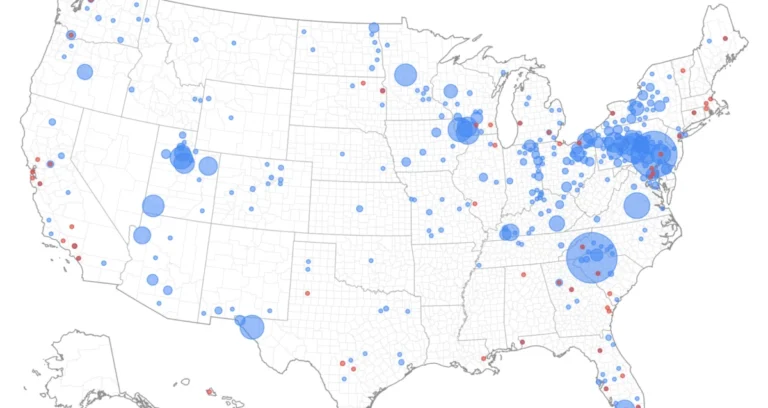
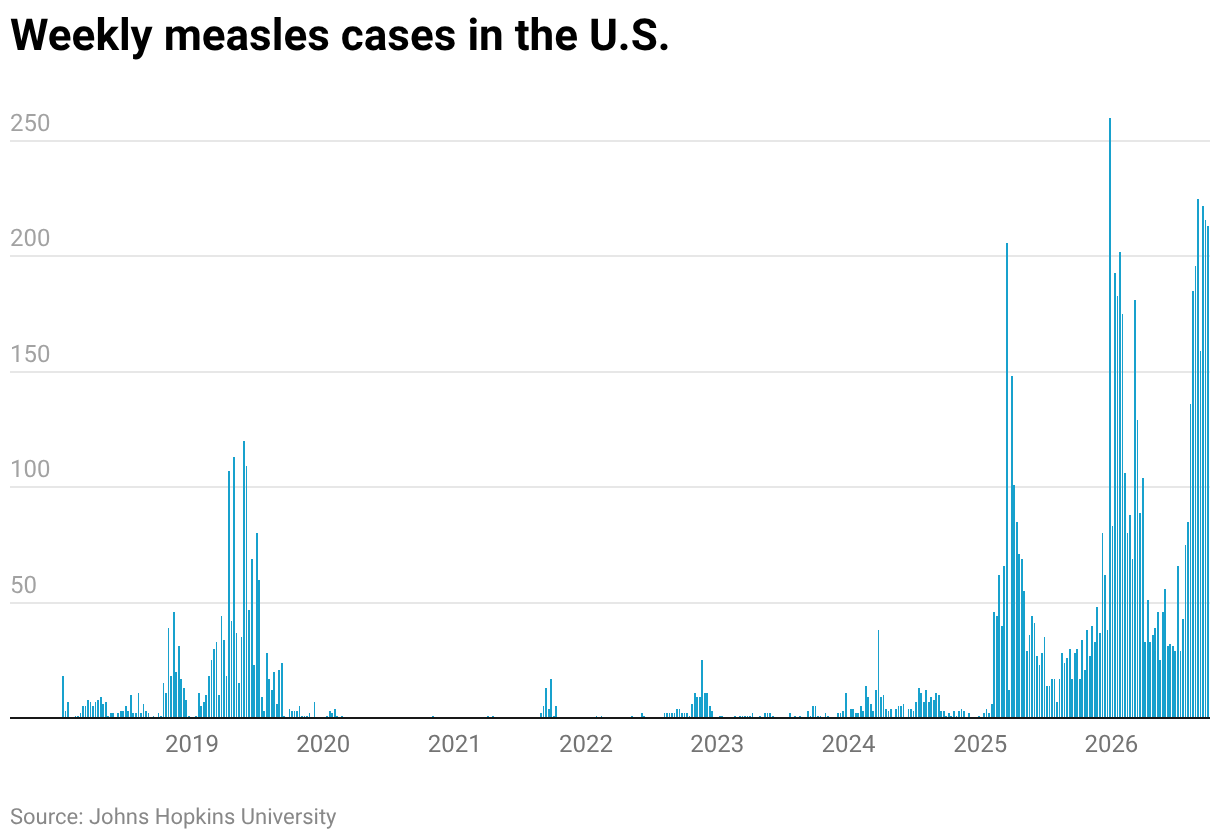
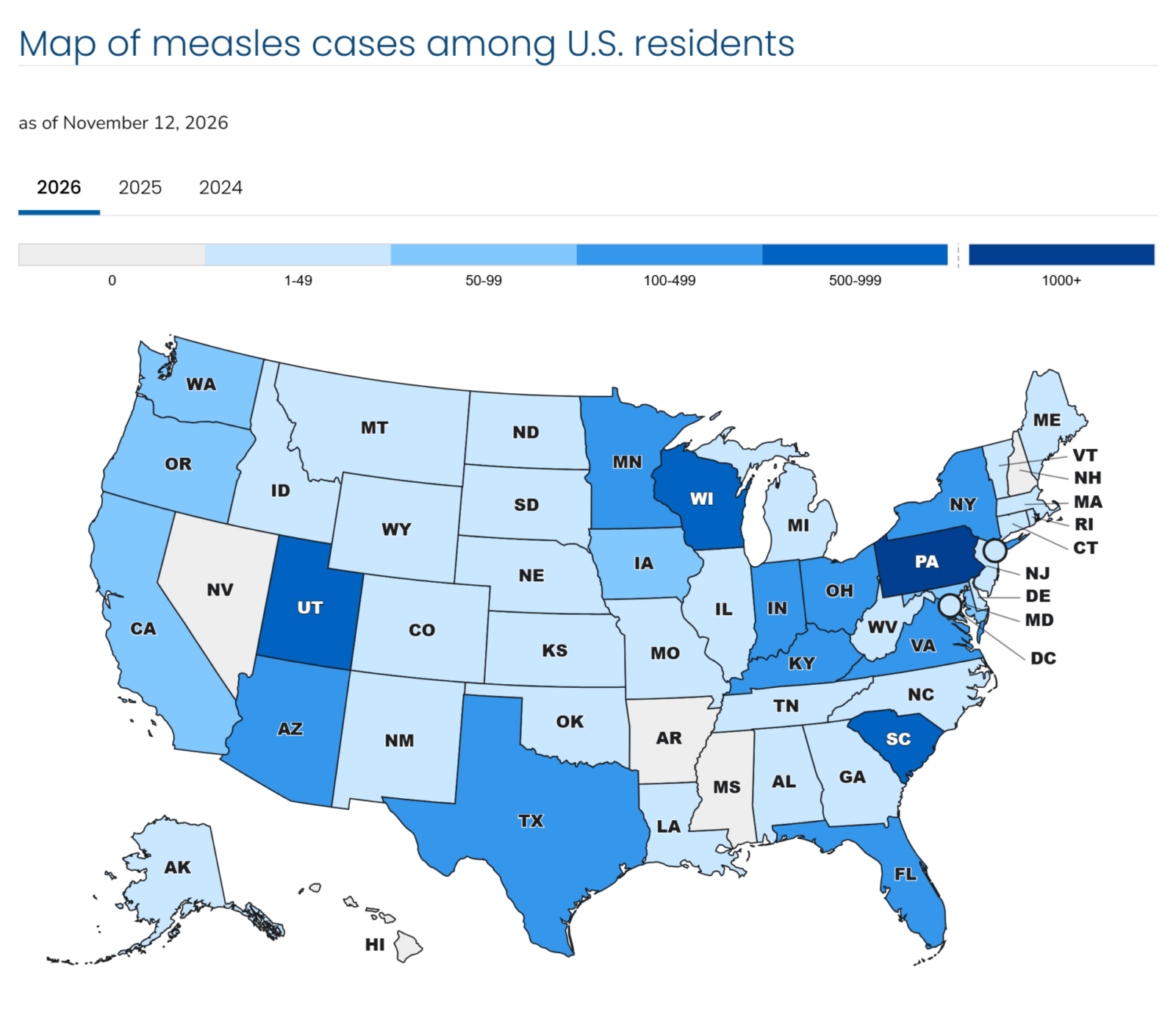
WASHINGTON — The Pan American Health Organization (PAHO) is widely expected to revoke the United States’ measles elimination status, bringing a definitive end to a 26-year milestone of uninterrupted containment. The anticipated decision follows a historic wave of over 5,200 reported measles cases across the country this year, fueled by plunging vaccination rates, highly localized outbreaks, and shifting public health landscapes.

For nearly three decades, the U.S. enjoyed a status that signified the interruption of endemic measles transmission, a monumental victory achieved in 2000 following decades of aggressive immunization campaigns. However, sustained transmission cycles—particularly in states like Utah, Pennsylvania, and South Carolina—have upended this achievement. Public health experts note that the current trajectory reflects the worst outbreak timeline since 1991, laying bare systemic vulnerabilities in the nation’s immunization framework.
The Anatomy of a Resurgence: Chronology and Local Transmission
The seeds of the current public health crisis were planted years prior through steadily declining kindergarten-entry vaccination rates and widening pockets of vaccine hesitancy. While measles outbreaks in the U.S. traditionally began with imported cases—typically numbering between 50 and 100 annually from travelers returning from abroad—the dynamic shifted dramatically in early 2025.
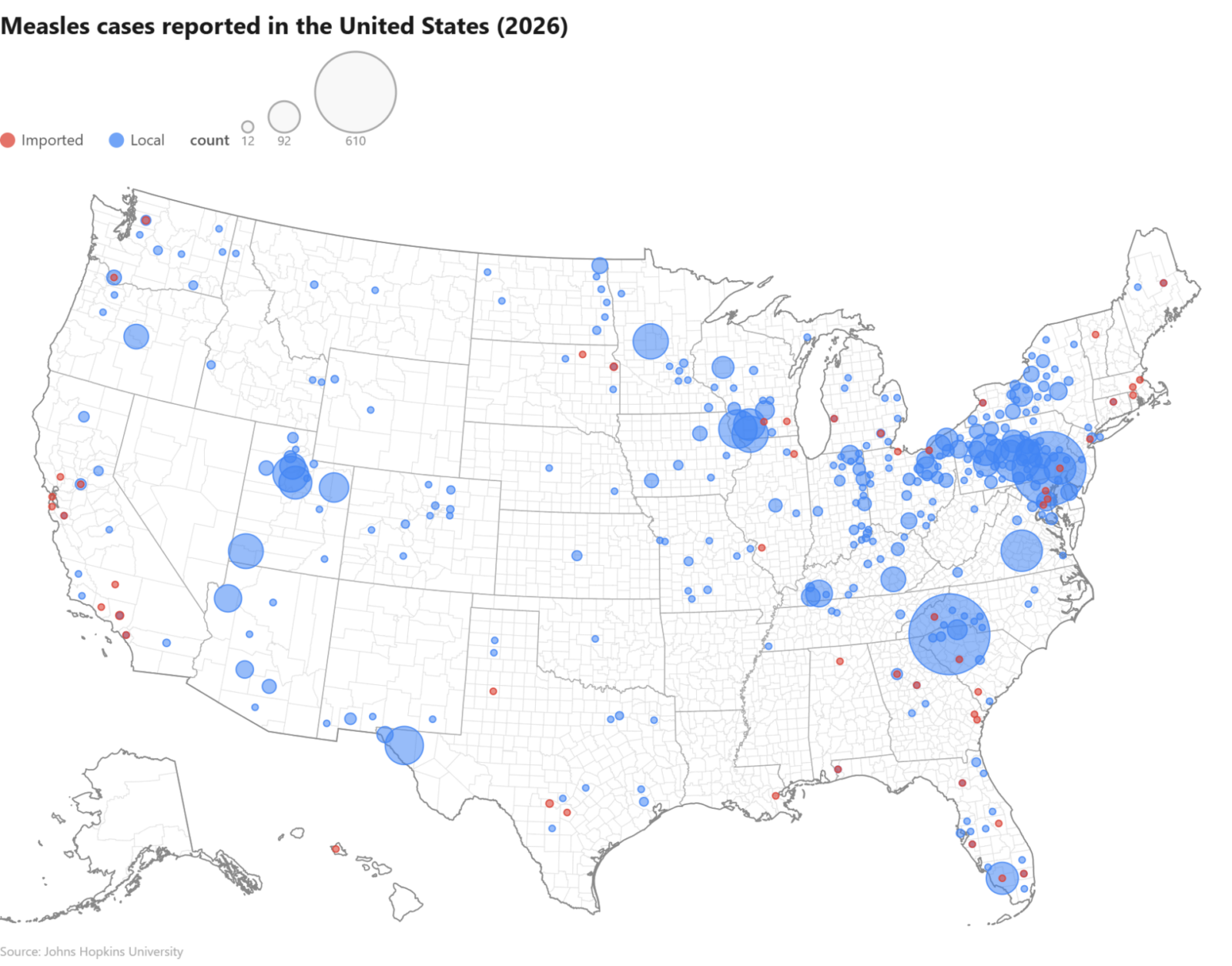
Unlike previous years where public health authorities quickly contained imported viruses, outbreaks beginning in January 2025 failed to stall. Instead, they transformed into persistent, self-sustaining chains of local transmission. For instance, continuous community spread in Utah has now lasted for more than a year. Infectious disease specialists note that the ongoing outbreak in Utah alone meets the epidemiological criteria required to strip the U.S. of its elimination status, which is defined as the absence of continuous endemic transmission for a period exceeding 12 months.
The Centers for Disease Control and Prevention (CDC) has recorded six direct measles-related deaths nationwide this year, while state and local health departments in New York and Wisconsin have reported an additional two fatalities. This brings the total death toll to eight—a grim statistic for a disease that is entirely preventable through safe and highly effective immunization.
The Science of Defense: Low Coverage and Pockets of Vulnerability
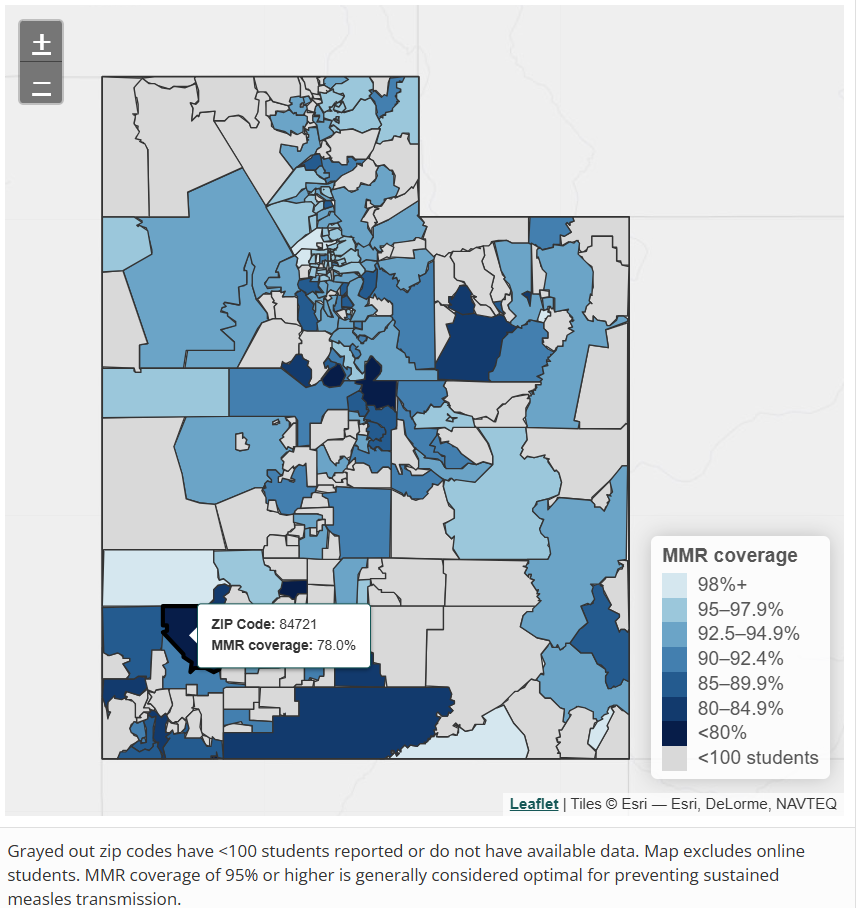
At the core of the resurgence is a compounding erosion of herd immunity. The combined measles, mumps, and rubella (MMR) vaccine remains exceptionally potent, conferring approximately 97% protection after a standard two-dose regimen typically administered during early childhood. However, shifting societal attitudes toward routine childhood vaccinations have created significant vulnerabilities.
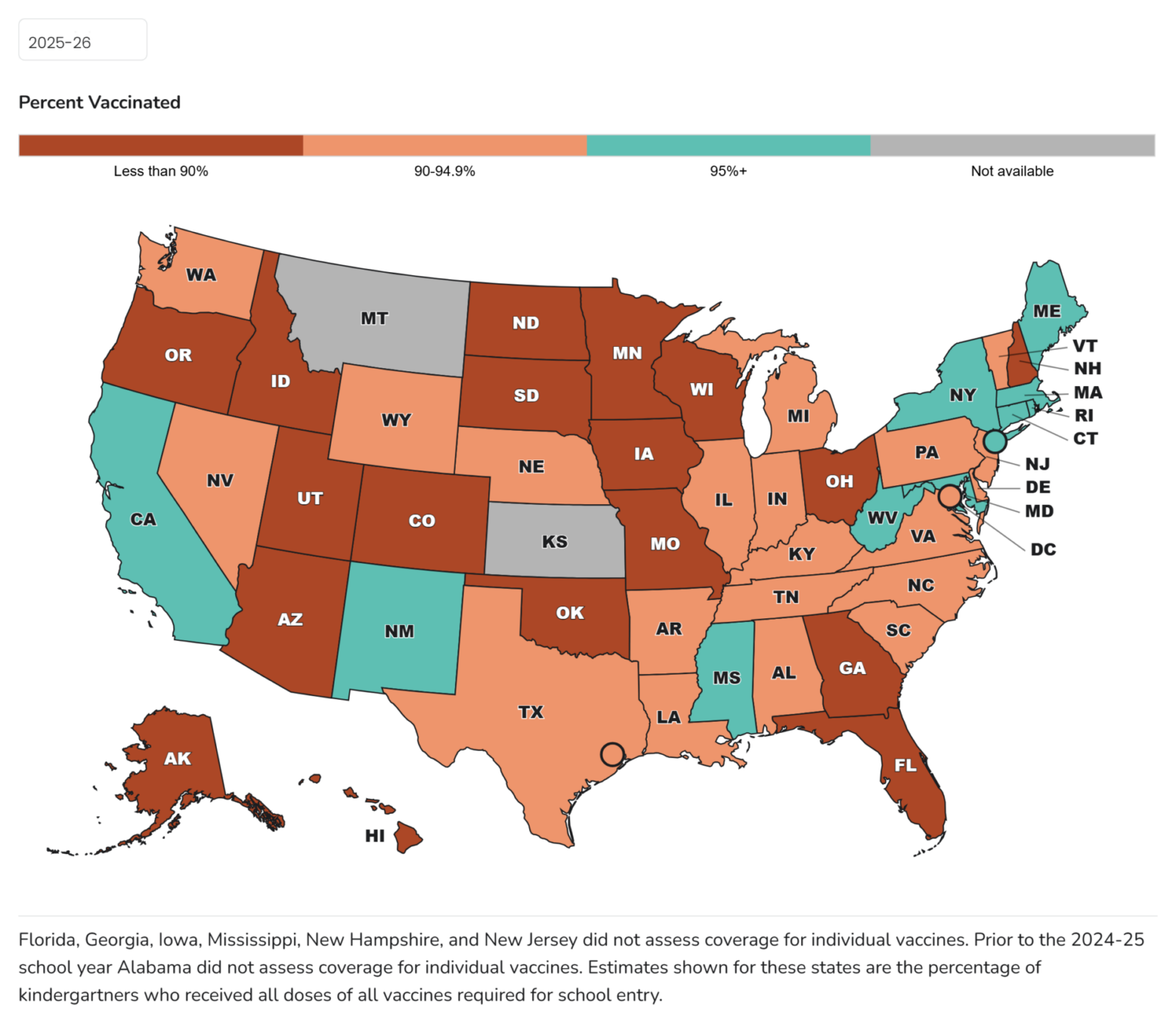
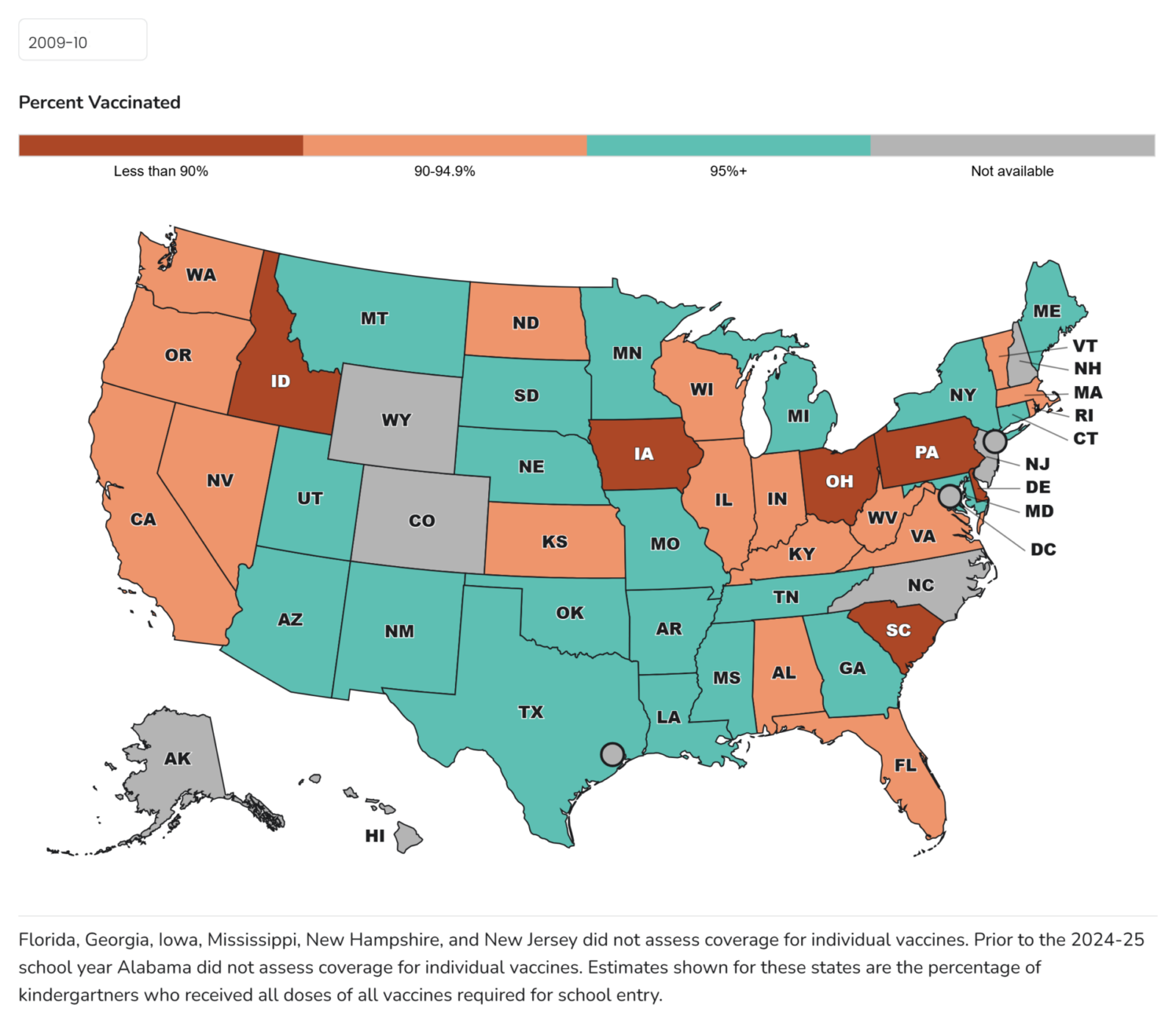
According to CDC data, 18 U.S. states reported kindergarten MMR vaccination rates below 90% for the 2025–2026 school year—a sharp decline compared to 2010, when only six states fell beneath that threshold. Furthermore, when measured against the World Health Organization’s (WHO) recommended herd immunity threshold of 95%, only 10 states currently meet the benchmark.
Epidemiologists emphasize that approximately 96% of all recent infections have occurred in unvaccinated individuals. In numerous communities, a generation of young adults and children now lacks baseline immunity, creating fertile ground for the virus. Public health officials frequently liken these unvaccinated clusters to dry brush awaiting a spark; once introduced, the highly contagious virus moves rapidly through unprotected populations.
International Context and the PAHO Deliberation
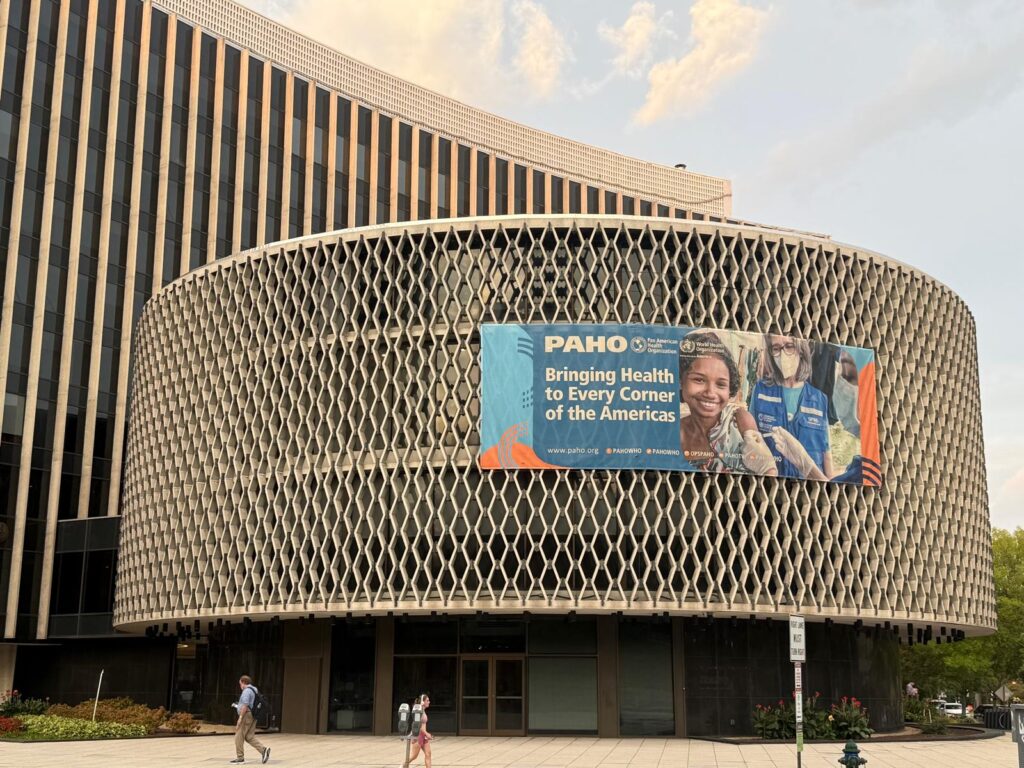
The formal review of the U.S. status was conducted during an expert panel meeting held by PAHO—the regional office of the WHO for the Americas—following a postponement from April. Although the delay sparked public debate, PAHO officials firmly rejected accusations that the timeline was adjusted to accommodate U.S. political sensitivities or midterm election cycles.
The implications of losing elimination status extend beyond domestic policy. Globally, measles remains a formidable threat, with approximately 95,000 deaths occurring annually worldwide, primarily among unvaccinated children under five in low- and middle-income settings. In 2025, countries such as Bangladesh, Indonesia, Guatemala, India, Yemen, Pakistan, and Angola accounted for the vast majority of the global disease burden. International travel frequently acts as a bridge between these high-burden regions and wealthy nations with slipping immunization coverage.
The U.S. is not alone in its regression. Earlier in the year, several European and Central Asian nations—including the United Kingdom, Spain, Armenia, Azerbaijan, and Uzbekistan—similarly lost their elimination statuses. Within the Americas, Mexico has faced severe outbreaks resulting in more than 50 measles-related fatalities this past year, placing its own elimination status under direct review.
Rising Concerns Over Congenital Measles and Infant Vulnerability
As the demographic profile of infected populations shifts to include a growing number of unprotected adults, healthcare systems are confronting clinical challenges not seen in generations. Infants under the age of one are fundamentally ineligible for the MMR vaccine, leaving them entirely reliant on community-wide cocooning and maternal antibodies for protection.
Of particular concern to pediatricians and infectious disease specialists is the resurgence of congenital measles—a rare and dangerous condition transmitted from an infected pregnant woman to her unborn child. Because decades of successful elimination meant that nearly all modern adults possessed immunity either through childhood infection or vaccination, contemporary clinical data regarding measles during pregnancy is sparse.
Public health departments, such as the Pennsylvania Department of Health, have acknowledged the limitations of modern clinical guidelines for managing measles in expectant mothers. Medical professionals warn that unchecked transmission places pregnant women at severe risk of complications, while infants surviving congenital exposure face long-term developmental and neurological threats.
Fallout, Leadership, and Accountability
The impending loss of elimination status has drawn sharp rebukes from medical associations and policy experts regarding the role of public leadership in shaping public health outcomes.
Dr. Wendy S Armstrong, president of the Infectious Disease Society of America (IDSA), released a statement characterizing the situation as a preventable tragedy. "It is unthinkable that people in the United States should be dying from measles in 2026," Armstrong said, emphasizing that for decades the virus posed minimal threat due to high trust in science and robust public health infrastructure.
Legal and public health scholars argue that the erosion of trust has been accelerated by inconsistent messaging from federal authorities. Dr. Lawrence Gostin, a distinguished university professor in global health law at Georgetown University, pointed directly to federal health leadership, arguing that the spread of skepticism surrounding vaccine safety and the promotion of debunked links between MMR vaccines and autism have severely compromised national immunization efforts.

While the loss of elimination status carries no direct legal or economic penalties, experts argue that the reputational cost is profound. It diminishes the moral and political authority of the United States in international health diplomacy at a critical juncture when global cooperation is required to combat vaccine hesitancy and eradicate preventable infectious diseases worldwide.
As PAHO prepares to announce its formal determination, public health advocates and medical professionals agree that reclaiming elimination status will require a concerted, evidence-based national campaign to rebuild vaccine confidence, close immunity gaps, and restore robust public health messaging across all levels of government.