The 2026 FIFA U-17 Women’s World Cup reached a pivotal turning point in the Round of 16 as Nigeria’s Flamingos eliminated Mexico in a tightly contested match that underscored the growing competitive parity in youth women’s football. Despite a spirited late-game resurgence from the North Americans, Nigeria’s tactical discipline and clinical finishing proved the difference, booking them a place in the tournament’s final eight. For Mexico, the defeat marks the conclusion of a campaign defined by flashes of technical brilliance but ultimately hampered by an inability to break down structured defensive lines.
A Tactical Breakdown of the Encounter
The match began with Mexico attempting to impose their trademark possession-based style of play. Head coach Miguel Gamero had clearly instructed his side to circulate the ball with speed, looking to exploit the flanks and isolate the Nigerian full-backs. In the opening twenty minutes, the strategy appeared effective as Mexico dominated the territorial battle, forcing Nigeria into a low defensive block. However, the Flamingos displayed remarkable composure, refusing to be drawn out of position by Mexico’s intricate passing sequences.
As the first half progressed, the momentum shifted. Nigeria, known for their athleticism and pace on the counter-attack, began to find gaps in the Mexican midfield. The deadlock was finally shattered in the 40th minute. Oluebube Umejiaku, a standout performer for the Nigerian side throughout this tournament, capitalized on a momentary lapse in the Mexican defensive transition. Finding space inside the penalty area, she unleashed a clinical strike that left the goalkeeper with no chance. This goal, Umejiaku’s third of the tournament, served as a testament to her lethal efficiency in front of goal and forced Mexico to rethink their defensive approach heading into the interval.
The Second Half: Maintaining Momentum and Closing the Gap
Returning from the break, Nigeria adopted a more assertive stance. Rather than sitting back to protect their slender lead, the Flamingos applied a high press that disrupted Mexico’s ability to build from the back. This sustained pressure pinned the Mexican side into their own defensive third, creating several dangerous opportunities for the Nigerians to extend their lead.
The tactical persistence of the African side paid dividends in the 71st minute. Mary Dunstan, demonstrating individual brilliance, connected with a loose ball and fired a powerful strike that doubled Nigeria’s lead. At 2-0, the match appeared to be drifting away from the North Americans. However, Mexico’s resilience remained a notable feature of their tournament identity.
As the clock ticked toward the final whistle, the game entered a frantic period of stoppage time. Mexico pushed their entire defensive line forward in a desperate bid to force an equalizer. Their efforts were rewarded in the dying moments when Emily Delgado managed to scramble the ball into the net. While the goal set up a nerve-wracking finale for the Nigerian supporters and technical staff, it proved to be a consolation. Nigeria held firm under the final wave of pressure to confirm their progression.
Statistical Overview of the 2026 Campaign
This victory marks a significant milestone for the Nigerian U-17 setup, which has consistently been a formidable force in the FIFA youth circuit. For Mexico, the exit serves as a sobering reality check regarding the standards required at the global level.
Data from the match highlights the tactical variance between the two sides. While Mexico led in total pass completion and possession percentage, Nigeria dominated in "successful final-third entries" and "defensive duels won." This disparity illustrates a common theme in modern youth international football: efficiency often supersedes aesthetic possession. Nigeria’s ability to transition from defense to attack in under ten seconds remains one of the most effective weapons in the tournament, a facet of their play that will be crucial as they move into the quarter-final stages.

Coaching Perspectives: The Philosophy of Development
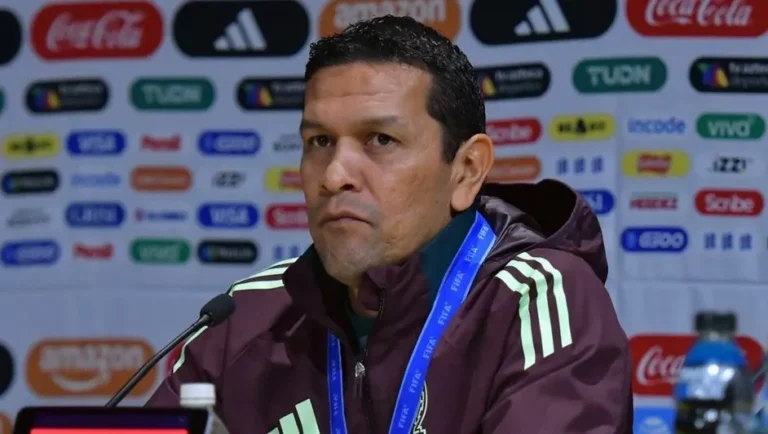
Following the match, Miguel Gamero addressed the media, choosing to focus on the long-term trajectory of his squad rather than the immediate sting of defeat. His comments reflected a broader mandate often seen in national football federations: the goal is not merely to win youth trophies, but to build a pipeline for the senior national team.
"I think we have to highlight the team’s commitment and the fact that the players kept fighting until the very end," Gamero stated in his official post-match address via FIFA’s media channels. "The most important thing is to learn and grow, helping them develop step by step as Mexican footballers so they can eventually progress to the senior national team."
Gamero’s philosophy is shared by many of his contemporaries. In the elite youth development circuit, the tournament acts as a laboratory for technical and psychological growth. For many of the players on the pitch, this was their first taste of high-stakes international competition, where the margins for error are razor-thin.
Broader Implications for Youth Football
The result in this Round of 16 clash has ripple effects across the international footballing landscape. For Nigeria, advancing to the quarter-finals cements their status as one of the preeminent developmental programs in the world. Their consistency at the U-17 level suggests that the infrastructure invested in grassroots women’s football in Nigeria is beginning to yield high-caliber talent ready for the professional stage.
Conversely, Mexico’s elimination highlights the need for continued investment in defensive tactical education. While the talent pool in Mexico is undeniably deep, the ability to maintain defensive concentration against elite athletic teams remains a challenge. The tournament organizers will likely analyze this fixture as a prime example of the physical and tactical demands required in the modern women’s game.
Looking Ahead
As Nigeria advances, the focus shifts to the quarter-finals, where the intensity of the competition will undoubtedly escalate. The Flamingos have demonstrated that they have the tactical depth to handle different styles of play—from the possession-heavy approach of Mexico to more physical, direct styles they may encounter in the next round.
For Mexico, the journey ends in the Round of 16, but the experience gained in this tournament will be invaluable. The players, many of whom are just beginning their careers, will return to their respective clubs with a deeper understanding of the speed and intensity required at the international level.
Ultimately, the 2-1 result serves as a reminder of the beauty and cruelty of the FIFA U-17 Women’s World Cup. While only one team can advance, the progress of these young athletes remains the primary objective. As the tournament progresses toward its climax, the lessons learned in this match—by both the victors and the defeated—will contribute to the next generation of women’s football talent. The Flamingos look ahead with optimism, while Mexico begins the cycle of reassessment and future planning, both moving forward in their own pursuit of footballing excellence.