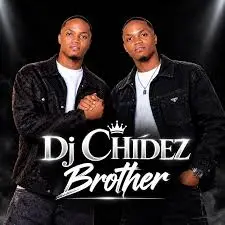
The contemporary African music landscape has long served as a vital cultural mirror, reflecting the socio-economic realities, triumphs, and interpersonal dynamics of communities across the continent and the diaspora. Within this vibrant ecosystem, the Afro-fusion genre continues to evolve, accommodating both high-energy street anthems and socially conscious narratives. It is within this multifaceted sonic space that celebrated disk jockey and party curator DJ Chidez has made a significant return to the limelight. His latest release, a compelling mid-tempo track titled Brother (Radio Edit), arrives as a timely artistic intervention, addressing the pressing themes of family loyalty, mutual forgiveness, and the eradication of destructive jealousy in favor of collective progress.
As modern society grapples with increasing socio-economic pressures that frequently strain interpersonal relationships, the release of culturally resonant music that champions solidarity becomes profoundly important. DJ Chidez, known primarily for his acute understanding of dancefloor dynamics and crowd curation, steps beyond the conventional boundaries of a traditional DJ by taking the creative helm as a primary recording artist and vocal storyteller. By crafting a composition that marries groove-heavy production with an uplifting social message, the artist has successfully positioned Brother (Radio Edit) as both a club-ready staple and a reflective auditory experience for listeners navigating the complexities of modern brotherhood and community building.
Main Facts and Musical Architecture
At its core, Brother (Radio Edit) is an intricately constructed Afro-fusion composition designed to engage both the physical senses and the intellectual faculties of its audience. The production framework relies on a joyful, mid-tempo soundscape that strategically avoids the hyper-aggressive tempos often associated with conventional party tracks, opting instead for a steady, hypnotic groove that invites prolonged listening and contemplation.
The rhythmic foundation of the track is anchored by a series of hammering kick drums that provide a robust heartbeat, complemented by snappy percussion shakers that add a layer of crisp articulation to the high frequencies. Interwoven with these percussive elements is a fluid, rolling bassline that anchors the harmonic progression, giving the mix a warm, full-bodied low end. Floating effortlessly above this rhythmic bedrock are carefully placed synthesizer accents. These synths slide into the arrangement with surgical precision, maintaining an addictive bounce while ensuring that the mix retains generous headroom, allowing every sonic component to breathe without overcrowding the soundstage.
Vocally, DJ Chidez assumes a commanding yet approachable presence. Leading the cut with rich, textured vocals, he transitions seamlessly between expressive, narrative-driven refrains and an infectious, highly memorable sing-along hook. This vocal delivery is not merely aesthetic; it serves as the primary vehicle for the song’s core message. The lyrics confront head-on the misunderstandings, petty rivalries, and destructive jealousies that frequently fracture relationships among peers, families, and creative collaborators. Rather than dwelling on negativity, the song champions mutual support, forgiveness, and the timeless value of standing steadfastly by one’s brethren through changing fortunes.
Background Context and Cultural Relevance
The release of Brother (Radio Edit) does not occur in a vacuum. Over the past decade, Afrobeats and its various subgenres, including Afro-fusion and street-hop, have transcended their geographic origins in West Africa to become a dominant global force. Concurrently, as the commercial stakes within the music industry have risen, artists, producers, and community stakeholders have increasingly utilized their platforms to address the psychological and social tolls of modern success.
Issues of trust, betrayal, and the fragile nature of loyalty in the face of financial or social mobility are recurring motifs in contemporary urban discourse. In many communities, the pressure to succeed often inadvertently fosters environments of hyper-competition, where envy can undermine collective advancement. By addressing these themes directly, DJ Chidez aligns himself with a long-standing tradition of African musicians who view their art as a form of social commentary and moral guidance. The track acts as a sonic balm, reminding listeners that sustainable progress is inherently collective rather than individualistic.
Furthermore, the transition of a prominent DJ and party curator into a vocal advocate for unity highlights a broader trend within the global music industry. Modern DJs are no longer viewed merely as selectors of pre-recorded material; they are primary architects of musical culture who understand the pulse of the audience on a visceral level. Having spent countless hours observing crowd reactions, energy shifts, and social interactions in nightlife environments, DJ Chidez possesses a unique vantage point from which to diagnose the cultural needs of his audience. This extensive professional background informs the deliberate pacing and thematic focus of Brother (Radio Edit), ensuring that the message resonates authentically with a populace that frequently seeks both escapism and validation in music.
Chronology and Promotional Rollout
The genesis of Brother (Radio Edit) can be traced back through DJ Chidez’s ongoing evolution as a multifaceted entertainer and producer. Over the years, he established a formidable reputation within the entertainment circuit through high-profile DJ sets, curated mixtapes, and active engagement with street-hop and Afrobeats communities. However, the decision to step into the recording booth as a lead vocalist and primary songwriter represents a strategic escalation in his career trajectory.
Planning for the single began during a period of intense creative reflection, where DJ Chidez sought to bridge the gap between high-energy club music and socially resonant lyricism. The production phase involved meticulous sonic engineering, focusing on balancing the demands of commercial radio play with the acoustic warmth required for repeated listening. Upon finalizing the master recording, the artist and his management team structured a comprehensive digital distribution strategy designed to maximize visibility across major streaming platforms.
The official rollout commenced with targeted digital promotions, leveraging social media teaser clips, artist features on notable music platforms, and the deployment of a lyric-focused visualizer alongside the core audio release. The strategic integration of a YouTube streaming option, coupled with availability on leading digital music stores, ensured that fans across diverse geographic regions could access the track seamlessly. This phased release model allowed the single to gain early traction among niche street-hop enthusiasts before expanding into broader mainstream rotations.
Industry and Fan Reactions
In the wake of its official release, Brother (Radio Edit) has generated significant discourse among music critics, fellow disk jockeys, and dedicated fans of the Afro-fusion genre. Early responses have been overwhelmingly positive, with particular praise directed toward the track’s refreshing thematic departure from conventional materialistic tropes often prevalent in contemporary club music.
Industry analysts have noted that the song’s ability to maintain a high danceability factor while delivering a genuinely uplifting message is a testament to DJ Chidez’s production acumen. DJs and party curators across various regions have reportedly incorporated the track into their live sets, citing its mid-tempo groove as an effective tool for transitioning between high-intensity peak-hour anthems and more contemplative crowd interactions.
Listeners on digital streaming platforms and social media channels have similarly lauded the track for its relatability. Many fans have taken to online forums to share personal anecdotes regarding family misunderstandings and the healing power of forgiveness, highlighting how the song’s lyrics have struck a chord in their daily lives. The sing-along hook, in particular, has been singled out as an instant earworm, with commentators predicting sustained longevity for the track across radio charts and community playlists.
Broader Impact and Implications for the Afro-Fusion Landscape
The successful release of Brother (Radio Edit) carries several broader implications for the trajectory of Afro-fusion and the evolving role of DJs within the modern music economy. First and foremost, it demonstrates that audiences maintain a strong appetite for purposeful music that speaks directly to their lived experiences without sacrificing rhythmic integrity or production quality. As the global listenership for African music continues to expand, the demand for authentic narratives rooted in communal values becomes increasingly pronounced.
For DJs and producers seeking to transition into primary recording artists, DJ Chidez provides a compelling blueprint. By leveraging intimate knowledge of crowd psychology and pairing it with cohesive, professional-grade songwriting, artists can successfully broaden their creative footprint. This crossover capacity not only enhances their artistic longevity but also enriches the broader musical ecosystem by introducing diverse perspectives from behind the turntables directly into the composition process.
Furthermore, the song’s emphasis on unity and mutual support serves as a timely reminder of the social responsibility inherent in popular culture. In an era where digital connectivity frequently coexists with deep-seated social fragmentation, artistic works that actively promote empathy, forgiveness, and brotherhood play a crucial role in fostering healthier community dynamics.
Looking ahead, DJ Chidez’s latest offering establishes a high benchmark for his forthcoming musical endeavors. As Brother (Radio Edit) continues to gain momentum across digital storefronts, radio waves, and live performance venues, it cements the artist’s status not merely as a curator of parties, but as a significant voice capable of harmonizing the dancefloor with a message of enduring human solidarity. Fans and industry observers alike will undoubtedly be watching closely to see how this dynamic creator builds upon the strong foundation laid by his latest musical statement.