The Indian Ministry of Finance has revised its growth outlook for the current fiscal year, officially designated as FY27, projecting that the nation’s economy will expand at a rate of 7.3 percent. This updated forecast, detailed in the ministry’s latest monthly economic review released in October, represents a notable upward revision from the previous estimate of 7.1 percent. As the Indian economy continues to navigate a complex landscape of volatile global energy markets and shifting geopolitical alliances, this projection underscores a resilient domestic momentum that stands in stark contrast to the broader, more sluggish global economic performance.
The current fiscal year, which spans from April 1, 2026, to March 31, 2027, is being viewed by policymakers as a critical period for cementing India’s position as a global growth engine. In its comprehensive assessment, the Ministry of Finance explicitly contrasted India’s projected trajectory with the global economic consensus, which places international growth at approximately 3 percent. The ministry noted that "India’s growth momentum, by comparison, has held firm," citing a confluence of robust internal indicators as the primary drivers of this positive outlook.
A Data-Driven Expansion
The ministry’s confidence in the 7.3 percent growth target is anchored in a variety of high-frequency indicators that have demonstrated consistent acceleration throughout the previous quarter. Energy consumption—often a proxy for industrial activity—has shown steady growth, reflecting an increase in manufacturing output and infrastructure utilization. Similarly, port traffic figures have trended upward, signaling a healthy volume of both domestic trade and international exports.
Furthermore, the Goods and Services Tax (GST) collections have remained a reliable barometer of economic health. The consistent performance of GST receipts suggests that consumption patterns remain robust despite inflationary pressures. Complementing these figures, the automotive sector has reported significant spikes in car sales, reflecting strong middle-class purchasing power and an increased appetite for durable goods. These indicators combined paint a picture of an economy that is not merely rebounding from post-pandemic volatility but is actively expanding its productive capacity.
Inflationary Pressures and the El Nino Factor
Despite the optimistic growth projections, the Ministry of Finance’s report does not shy away from the structural risks that threaten to dampen this expansion. Central to these concerns is the persistent inflationary environment, exacerbated by the El Nino weather phenomenon.
El Nino’s impact on global weather patterns has raised significant alarms regarding domestic agricultural productivity. The ministry warned that the phenomenon threatens soil moisture levels, a critical variable for the upcoming winter sowing season. Given that a significant portion of India’s population remains dependent on the agrarian sector, any disruption to crop yields could have cascading effects on food prices, which in turn would further complicate the Reserve Bank of India’s (RBI) monetary policy stance.
The inflationary landscape is multifaceted. In September 2026, Consumer Price Index (CPI) inflation was recorded at 5.54 percent year-on-year. However, the Wholesale Price Index (WPI) presented a more alarming picture, rising by 11.39 percent. The disparity between these indices suggests that producers are facing significant cost pressures that have not yet been fully passed on to consumers, though the risk of such a pass-through remains high.
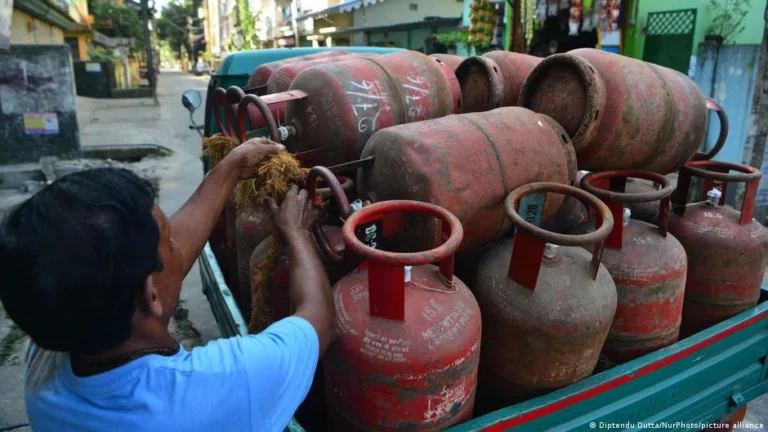
Food inflation has become particularly sensitive. Rural areas have experienced an 8 percent increase in food costs, while urban centers have seen a slightly more moderate rise of 7.18 percent. Most striking, however, is the surge in fuel and power costs, which skyrocketed by 25.85 percent in September 2026 compared to the same period in the previous year. This dramatic escalation is largely attributed to the ongoing instability in the Middle East, which has disrupted global oil supply chains and kept energy prices volatile.
Geopolitical Instability and the Currency Slide
The report places heavy emphasis on "global uncertainties"—a clear reference to the escalating tensions in the Middle East and their impact on global commodity markets. These external pressures have exerted persistent downward force on the Indian rupee. While the depreciation has been gradual, the trend has become more pronounced over the last 15 months, leading to concerns regarding the country’s international purchasing power and the cost of imports.
Historically, the rupee has faced a steady, long-term slide against the US dollar over the past five years. While this trend is reflective of broader movements in emerging market currencies against a strengthening dollar, it places an additional burden on the Indian economy, particularly regarding the import of crude oil and essential raw materials.
Financial Resilience and Strategic Outlook
Despite these mounting pressures, the Ministry of Finance remains resolute regarding the nation’s capacity to absorb shocks. A central pillar of this defense is India’s robust foreign exchange reserves, which currently stand at approximately $721 billion. This substantial buffer is viewed by economic analysts and government officials alike as a critical tool for maintaining financial stability and defending the currency against excessive volatility.
The ministry explicitly stated that India is "well-positioned" to weather current global risks and sustain its expansionary trajectory. By maintaining adequate reserves, the government aims to provide a safety net that encourages foreign direct investment (FDI) and preserves investor confidence.
Broader Economic Implications
The interplay between growth and inflation remains the central challenge for India’s economic management. If growth reaches the projected 7.3 percent, it would solidify India’s reputation as one of the fastest-growing major economies in the world. However, this achievement is contingent upon the government’s ability to manage the delicate balance between fostering industrial growth and mitigating the impact of rising food and energy costs on the average household.
The inflationary surge in fuel and power prices suggests that the government may soon face pressure to implement more targeted fiscal interventions. While the current policy relies on a mix of market-based adjustments and strategic reserve usage, sustained high energy costs could necessitate a broader review of energy subsidies or a diversification of energy sources to reduce reliance on volatile global markets.
From a long-term perspective, the government’s focus on infrastructure—as evidenced by the port and energy consumption data—suggests a strategic shift toward strengthening domestic supply chains. By enhancing connectivity and industrial efficiency, the ministry hopes to insulate the economy from external shocks over the coming decade.
Conclusion
The October economic review serves as both a celebration of India’s current growth resilience and a cautionary note regarding the vulnerabilities that lie ahead. The 7.3 percent growth forecast is an ambitious target that reflects the government’s commitment to an expansionary agenda. Yet, the persistent risks of climate-induced agricultural volatility and geopolitical instability in energy-producing regions remain significant variables.
As the fiscal year progresses, the focus will likely remain on how the government manages the dual pressures of inflation and currency depreciation. With a robust reserve position and positive momentum in key industrial sectors, India is signaling to the international community that it possesses the structural fortitude to navigate the current era of global uncertainty. Whether this translates into sustained long-term prosperity will depend heavily on the effectiveness of monetary and fiscal policies in the months leading up to the end of the 2026-27 fiscal cycle. The next few quarters will be decisive in determining whether the economy can maintain this velocity while simultaneously shielding its citizens from the erosive effects of rising costs.