The meteoric rise of Afrobeats continues to reshape the global sonic landscape, and at the absolute vanguard of this cultural revolution is 24-year-old Nigerian singer-songwriter Ayra Starr. Fresh off a whirlwind international schedule that included contributing to high-profile cinematic projects and gracing stadium stages alongside rock royalty, the Grammy-nominated artist is navigating a profound transitional phase. In a striking new cover feature for 66 GREENE magazine, photographed by Fernando Tomaz and styled by Jahulie, Starr opens up about the realities of her burgeoning adulthood, the psychological shifts required to survive global touring, and the meticulous crafting of her latest artistic statement, the album Starrgirl.
Through a blend of candid reflections, the profile details a pivotal period in the young star’s life—one defined by radical self-discovery, the embrace of solitude in foreign metropolises, and an unwavering commitment to musical authenticity. As she stands at the intersection of pop culture, fashion, and global music dominance, Starr’s latest editorial offers a rare, intimate look at the human being behind the chart-topping anthems.
From Lagos Roots to Global Stages: A Timeline of Rapid Ascent
To understand the gravity of Ayra Starr’s current evolution, one must examine the breakneck speed of her career trajectory. Born Oyinkansola Sarah Aderibigbe, the young artist emerged onto the Nigerian music scene in early 2021 with her self-titled debut extended play under Mavin Records. Propelled by the viral success of her breakout single "Away," she swiftly captured the imagination of the continent before crossing international borders with her 2022 global phenomenon, "Rush."
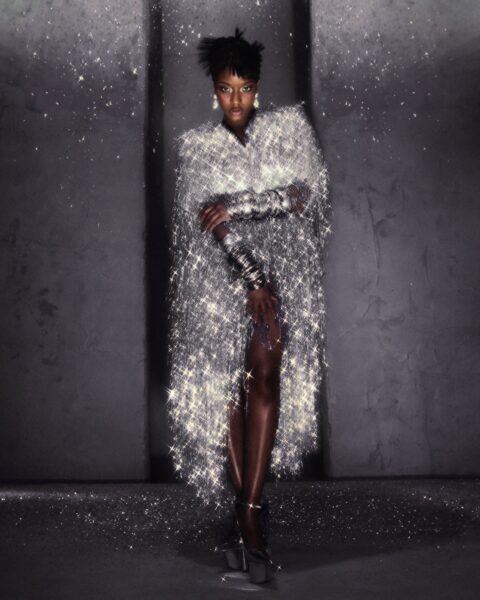
The subsequent years transformed her from a promising local talent into a definitive fixture of the international music industry. Her relentless touring schedule culminated in major festival slots, headlining performances, and a high-profile supporting stint on Coldplay’s monumental Music of the Spheres World Tour. Simultaneously, her artistic footprint expanded beyond the recording studio. In early 2025, Starr ventured into the dramatic arts, spending three intensive months in Cape Town, South Africa, filming her role in the highly anticipated screen adaptation of Tomi Adeyemi’s bestselling fantasy novel, Children of Blood and Bone.
Immediately following her cinematic endeavors, Starr made a major lifestyle shift, relocating to her first independent solo apartment in New York City. This sequence of milestones—from the soundstages of Cape Town to the concrete canyons of Manhattan, and finally into stadium arenas worldwide—set the stage for the creation of Starrgirl, her most introspective and conceptually cohesive body of work to date.
Navigating Solitude and Self-Discovery in New York City
For an artist who grew up surrounded by a close-knit, supportive family in Lagos, the transition to living entirely alone in one of the world’s most demanding cities was both jarring and transformative. Moving into her New York City apartment after months of transient hotel living during her South African film shoot forced Starr to confront her own identity independently of her career demands.
"At the beginning, I was loving it, like yes, I’m in my big girl apartment, nobody can tell me what to do, period!" Starr shares with 66 GREENE, punctuating the memory with a laugh.
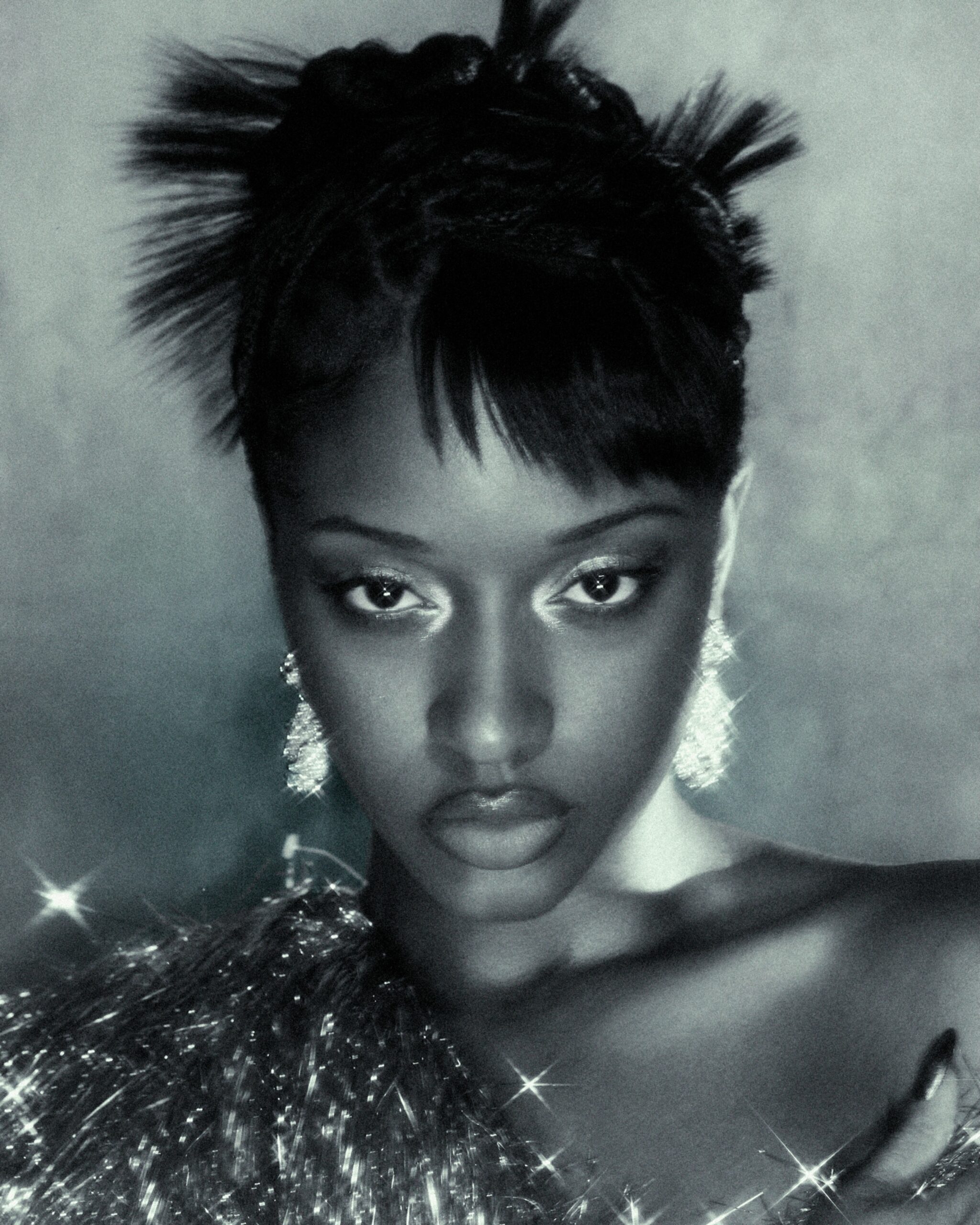
However, the glamour of independence quickly gave way to the sobering realities of urban isolation. Surviving her first harsh New York winter brought bouts of homesickness and a deep longing for the comforting familiarity of her mother’s cooking. Yet, within these mundane challenges, she began to forge a personal routine. Familiarity with local neighborhood fixtures—such as befriending her neighborhood barista and experiencing the electric energy of late-night city excursions—grounded her in her new environment.
This period of isolation catalyzed a profound psychological deconstruction. Starr notes that prolonged solitude strips away external pressures, societal expectations, and industry projections, leaving only the core self. "When you spend a lot of time on your own, you start to deconstruct everything you’ve been told to be," she reflects. "You start to find out what you really think, what you really want, what you really are and what you really want to be."
Redefining Performance: The Lessons Learned on Tour with Coldplay
Among the most formative professional experiences in Starr’s recent timeline was joining Coldplay on their sprawling global stadium tour. Performing before massive, multi-generational crowds night after night fundamentally altered her comprehension of live performance and crowd dynamics.
Prior to the tour, Starr admits she held a conventional, ego-driven view of what it meant to be a headlining or supporting artist. Like many young performers, she initially associated the stage with personal validation—a space centered on the artist’s charisma and the reciprocal adoration of the crowd singing back their lyrics. However, sharing stadium stages with a legacy act like Coldplay recalibrated her artistic philosophy toward a paradigm of public service and self-sacrifice.

"What I grew up thinking that performing was—it’s about you as the artist, it’s about you being on stage, these people coming to see you," she explains. "I love being on stage and I love people singing my songs back to me, but being a supporting act made me understand that every night you’re literally sacrificing yourself for these people that came to see you. It’s not about you. It’s about them."
This altruistic approach to live music reframes the concert experience not as a display of an artist’s superiority, but as an emotional exchange aimed at healing and upliftment. Starr emphasizes that a performer’s primary professional obligation is the collective emotional journey of the audience. "It’s about how they lived that night. It’s about if you touched lives, it’s about if you made somebody smile or somebody feel better. That’s what you’re doing, that’s your job."
The Genesis of Starrgirl: Finding Her Voice Amidst External Noise
The culmination of Starr’s physical relocation, solitary introspection, and rigorous touring experiences eventually manifested in her studio sessions for the album Starrgirl. For many contemporary pop and Afrobeats stars, album cycles are dictated by rigid commercial timelines, label mandates, and the relentless pressure of algorithmic consumption. For Starr, however, the creative process required a deliberate step back from these pressures to rediscover her intrinsic motivation.
The groundwork for the album was laid through a series of successful collaborative singles, including "Hot Body," "Gimme Dat" featuring Wizkid, and "Who’s Dat Girl" alongside Rema. Yet, the definitive turning point arrived when she settled into her New York routine.

"Something about moving to New York took me from the outside point of view and put me back into my life," she recalls. "And at that moment, I knew I was making an album. Not just because my label wanted me to make an album, or not just because everybody’s expecting an album. I knew that, I’m making an album now because I can hear my voice for the first time in a long time."
Starr describes Starrgirl not merely as a commercial product, but as an exercise in self-actualization. The project is rooted in the psychological maturity of "understanding myself and accepting being misunderstood, accepting myself for the multitude of experiences and personalities that I am."
This ethos of uninhibited creative freedom directly influenced the atmosphere of her studio sessions. Among the most memorable was an intense, highly collaborative recording session with French-Congolese artist Theodora for the track "MS PAPER." Highlighting the uncalculated, spontaneous joy that drove the project, Starr recounts the physical conditions of the room: "It was one of my favorite sessions ever, because the AC was not working in the studio. We’re recording a high tempo song, we’re drinking and jumping around, everything and everybody is sweating. After we finished making the song, we played it like five times back to back and everybody was so delirious. It was amazing."
Broader Industry Implications and Cultural Impact
Ayra Starr’s journey from a promising Mavin Records signee to a globally minded auteur reflects a broader maturation taking place within the Afrobeats genre at large. As African artists increasingly occupy global stages, cross-pollinate with international film and music industries, and command massive audiences across Western markets, the pressures of maintaining creative integrity intensify.
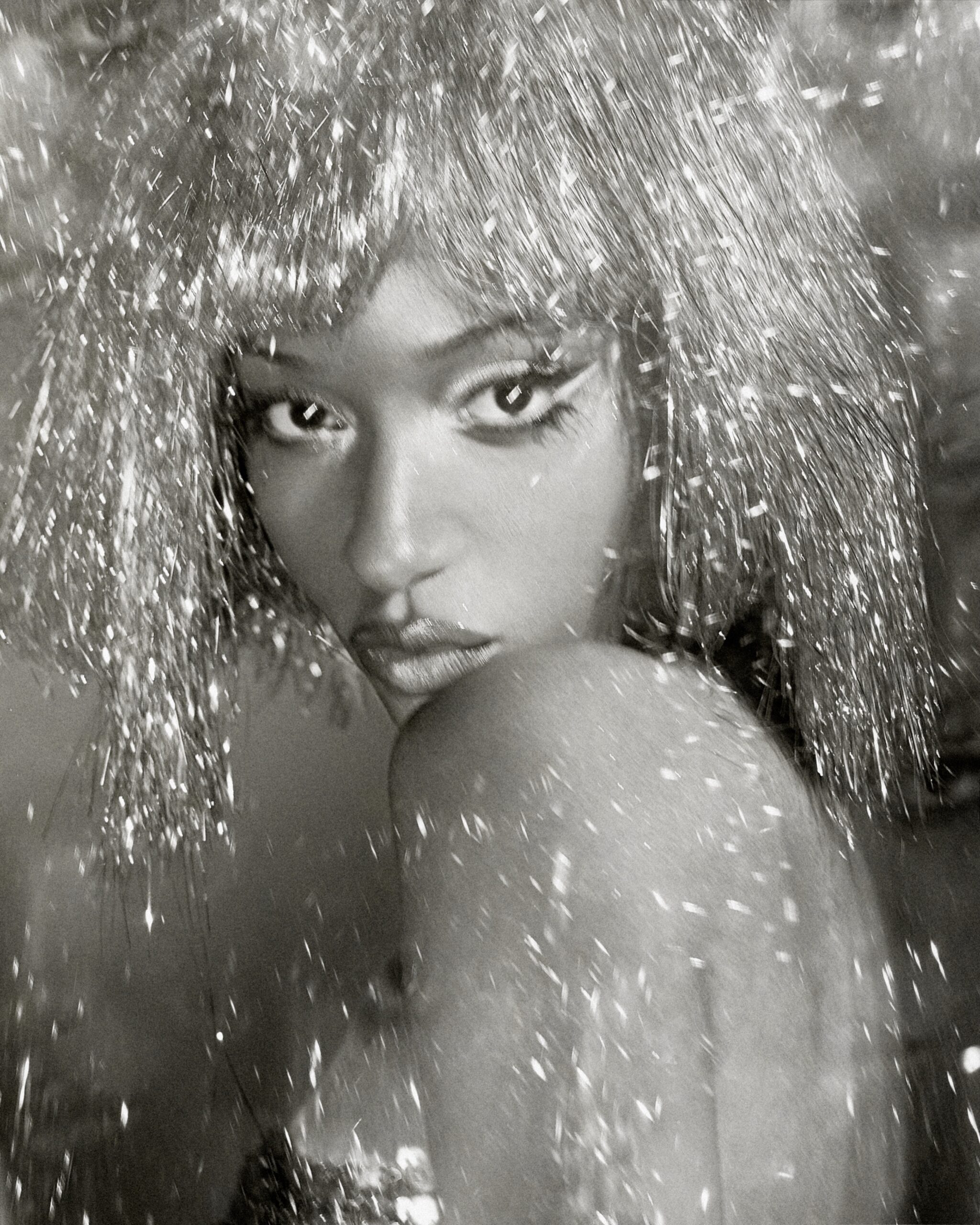
By prioritizing solitude, psychological self-work, and audience-centric performance philosophies, Starr is pioneering a sustainable blueprint for modern pop stardom. Her ability to pivot seamlessly between high-fashion editorial spreads, Hollywood fantasy adaptations, and stadium-level musical performances demonstrates the versatility demanded of twenty-first-century entertainers.
Furthermore, her insistence on personal artistic autonomy—creating Starrgirl out of an internal necessity rather than external industry compliance—signals a generational shift among African musicians who are dictating the terms of their own global expansion. As Starrgirl continues to resonate with international audiences and critics alike, Ayra Starr cements her status not just as a fleeting pop phenomenon, but as a defining cultural architect of her generation.