The global ascent of African cinema has traditionally been measured by its outward milestones: historic streaming acquisitions, red-carpet premieres at elite international festivals, and breakout titles that capture the public imagination overnight. Yet, behind every celebrated global release lies a complex matrix of international finance, cross-border co-production treaties, equity negotiations, and strategic distribution rights that rarely receive public scrutiny. Addressing the foundational business mechanics that drive contemporary Black cinema, the inaugural industry platform Nollywood Next made its debut at TIFF: The Market on September 14, establishing a vital commercial nexus for filmmakers, producers, distributors, and financiers operating across Nigeria, Canada, the United Kingdom, and the wider global Black diaspora.

Co-presented by Nile Entertainment in partnership with TIFF: The Market, the debut program unfolded at the Global Africa Hub—powered by CANEX Creations Inc.—at the Metro Toronto Convention Centre. The initiative was built upon a straightforward yet urgent premise: while Black creative talent has achieved unprecedented global reach, the commercial infrastructure and transnational networks required to sustain, fund, and properly monetize these projects have historically lagged behind. By bringing industry stakeholders together under one roof, Nollywood Next seeks to formalize and streamline the business-to-business pipeline for Black cinematic content.
The Evolving Landscape of Sales and Distribution
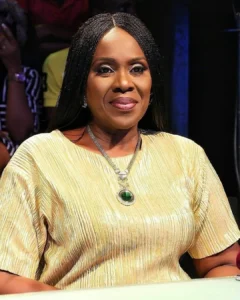
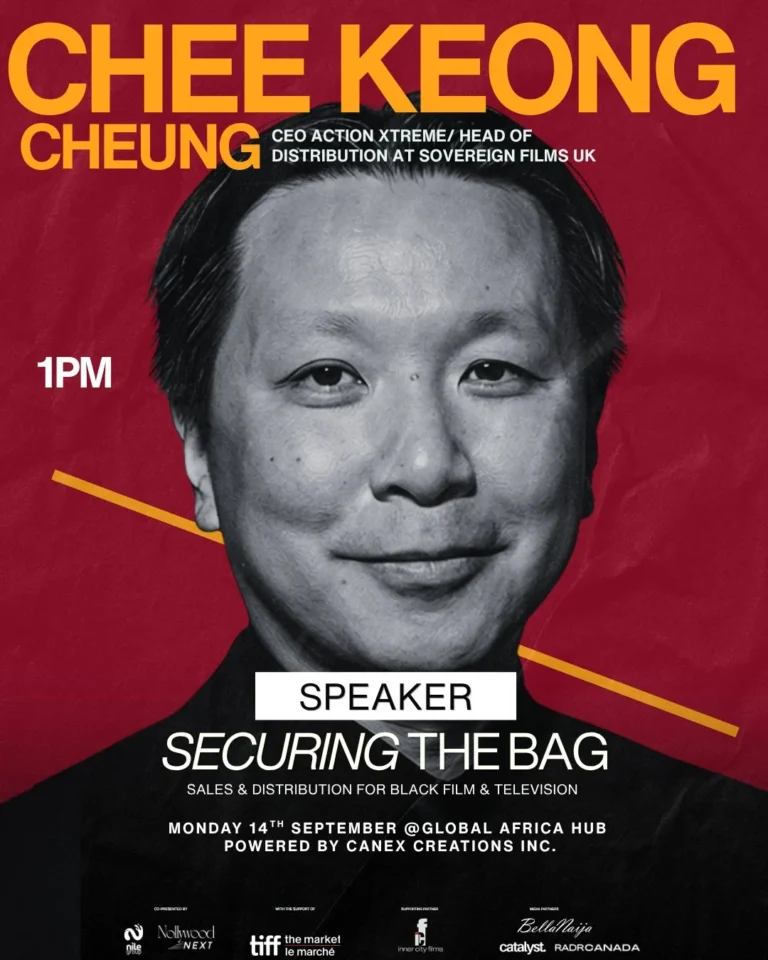
The platform’s opening panel, titled Securing the Bag: Sales and Distribution for Black Film and Television, tackled the industry realities that begin only after a film’s final cut is locked. The high-profile panel featured Ladun Awobokun, Chief Content Officer at FilmOne Entertainment & Studios and Head of Content Acquisition at KAVA; Moses Babatope, CEO of Nile Media Entertainment Group; Chee Keong Cheung, CEO of Action Xtreme and Head of Distribution at Sovereign; and Damola Layonu, founder of Snag Productions.
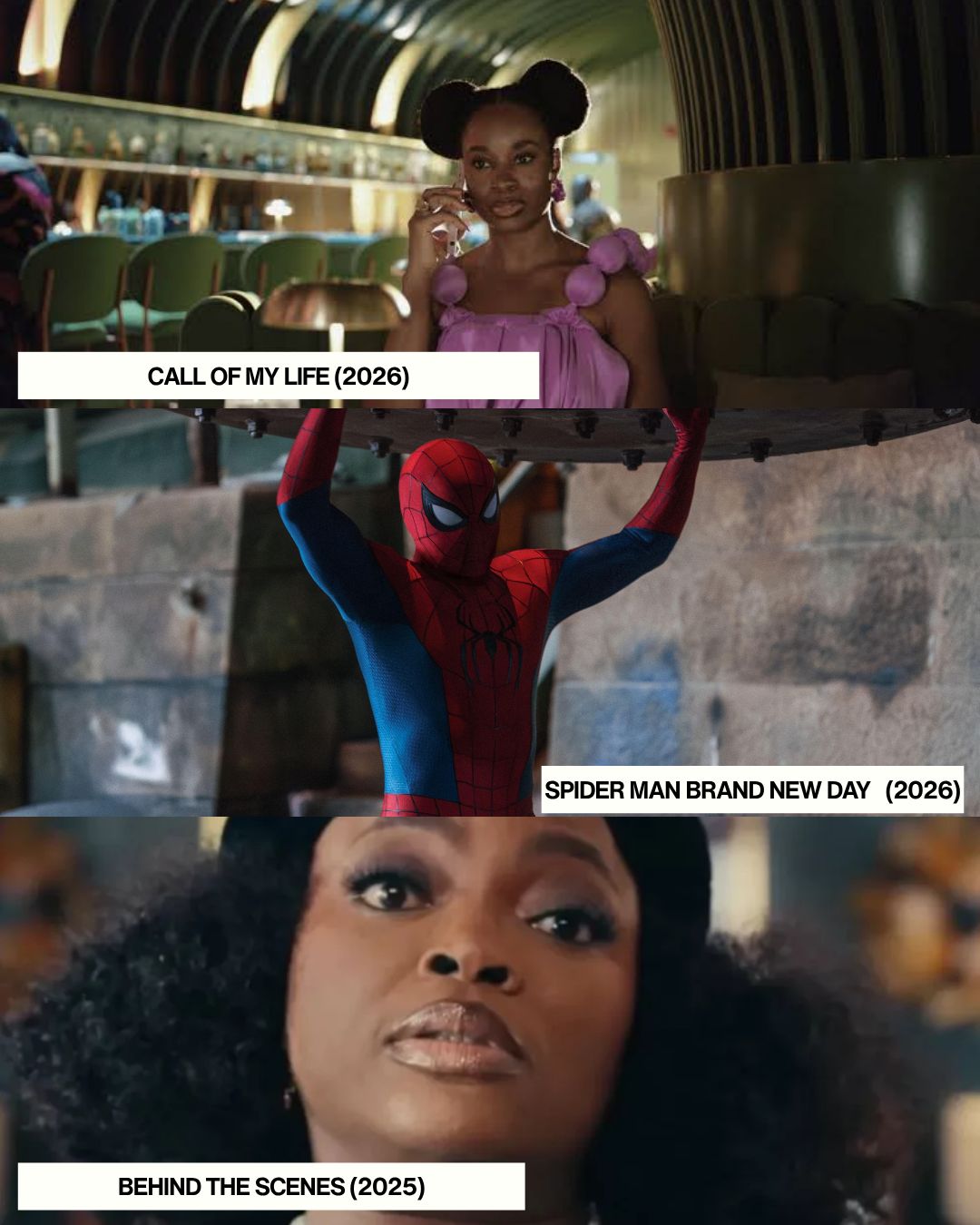
This cohort engaged in a rigorous analysis of what makes modern African and diaspora cinema commercially viable across multiple international windows. Discussions focused on the intrinsic value of varying distribution rights, the criteria distributors use when assessing potential acquisitions, and the strategies required to successfully transition a film from its domestic market to lucrative international territories.
Industry analysts note that the business model for Nollywood has undergone a structural transformation over the past decade. Nigerian productions are no longer confined to localized theatrical runs and regional streaming platforms. Instead, producers are increasingly tasked with engineering commercial strategies that simultaneously service traditional African cinemas, diaspora-heavy theatrical markets in North America and Europe, and global streaming giants. This multi-window approach demands sophisticated sales agents and robust distribution frameworks capable of maximizing asset value from inception to post-release.

Navigating International Co-Productions and Institutional Finance
Moving upstream from distribution to financing, the second core panel—Crossing Borders, Building Bridges—demystified the intricate world of international co-productions. While cross-border partnerships are frequently lauded in press releases, executing them in practice requires navigating a labyrinth of co-production treaties, regional tax incentives, equity financing models, cultural content mandates, and complex multi-party distribution agreements.
Moderated by Carmen Thompson, Head of Distribution and Special Projects at We Are Parable, the session featured a cross-section of industry veterans: Alfons Adetuyi, founder of Inner City Films and a key architect behind the historic Canada-South Africa co-production treaty; Yvonne Isimeme Ibazebo, the acclaimed producer behind Rye Lane and Top Boy; and Folajimi Alli-Balogun of MBO Capital, an institutional financier whose portfolio includes the TIFF selection Clarissa and Amazon Prime’s hit series Gangs of Lagos.

The panel provided actionable insights into when an international partnership genuinely adds financial and creative value to a project, rather than merely inflating the production credits on a poster. Institutional investment in African cinema has historically been hampered by perceived risks, currency fluctuations, and a lack of standardized valuation metrics. By introducing institutional financiers like MBO Capital into dialogue with veteran producers, Nollywood Next highlighted the growing appetite among private equity and institutional funds to back commercial African storytelling at scale, provided projects are structured with transparent legal and financial frameworks.
Preserving Authenticity Across Cultural Divides
Beyond the balance sheets and legal frameworks, the platform addressed the delicate artistic and cultural negotiations inherent in cross-border storytelling. The final panel, Cross-Cultural Conversations: Storytelling Across the Black Diaspora, was moderated by actor and producer Yemie Sonuga and featured acclaimed filmmakers Kaelo Iyizoba and Aisha Evelyna.

The discussion interrogated a dilemma well-known to creators working within the diaspora: how to craft authentic, culturally specific narratives for global audiences without diluting the work through excessive exposition or pandering to Western sensibilities. Iyizoba, whose work bridges Nigerian roots with prestige international development programs like Sundance and TIFF, and Evelyna, whose projects such as The Drop and the SXSW Narrative Feature competition entry Seahorse draw heavily on the cultural specificity of Toronto, explored the fine line between universal appeal and cultural homogenization.
The panel raised critical questions regarding industry terminology. When Western gatekeepers label a film "universal," it often serves as a coded demand for sanitized, culturally neutral content. The speakers argued for an industry standard that respects local nuances, trusting that specificity of place and culture enhances, rather than limits, global resonance.

Strategic Implications and Future Ambitions
While Nollywood Next launched as a one-day pilot program, the long-term strategic vision for the platform is expansive. Organizers plan to scale future editions into multi-day summits that integrate public screenings, specialized talent showcases, and structured networking environments designed to move projects from development to delivery.
Future iterations aim to introduce formal co-production markets, targeted buyer-seller introductions, and a dedicated Rights and Financing Exchange. This marketplace element is intended to directly connect independent producers with international financiers, sales agents, global platforms, and institutional buyers. Additionally, plans are underway to establish a Global Black Genre Lab, designed to foster cross-pollination among screen industries in Africa, Canada, the United Kingdom, the Caribbean, and the United States.

The broader economic implications of platforms like Nollywood Next are significant. As the global demand for diverse content accelerates, the primary bottleneck for Black filmmakers is no longer a lack of talent or audience enthusiasm, but rather the fragmentation of commercial infrastructure. A Nigerian producer may secure an engaged audience in Toronto, require institutional equity financing in Lagos, partner with a co-producer in London, and license international distribution rights through a European sales agent.
Historically, navigating this disparate network relied heavily on informal connections and high-cost trial and error. By establishing a centralized institutional framework at a major international marketplace like TIFF, Nollywood Next is positioning Toronto as a premier global hub for Black cinematic commerce. Registration for the inaugural event was provided free of charge, reflecting a commitment to accessibility for emerging creators.

With co-presentation from TIFF: The Market and Nile Entertainment, and backed by institutional supporters including Inner City Films alongside media partners such as BellaNaija, RADR Canada, and Catalyst, Nollywood Next has laid a formidable foundation. As the contemporary Black creative economy continues to mature, platforms that bridge the gap between artistic vision and rigorous commercial execution will be instrumental in determining whether the global rise of African cinema translates into sustained, long-term economic sovereignty for its creators.