The electrifying atmosphere of MetLife Stadium was amplified on Sunday night as global music icons Shakira and Burna Boy, alongside Uganda’s sensational Ghetto Kids, delivered a breathtaking performance of the official 2026 FIFA World Cup anthem, "Dai Dai," during the tournament’s highly anticipated final halftime show. The performance, a vibrant fusion of Afrobeats and Latin rhythms, captivated an estimated global audience of over one billion viewers, marking a monumental moment in sports and entertainment history. This spectacular display not only showcased the unifying power of music but also highlighted the diverse talent emerging from across the African continent.
A Historic Collaboration Takes Center Stage
The 2026 FIFA World Cup, hosted across North America with matches spanning the United States, Canada, and Mexico, culminated in a final showdown that drew unparalleled attention. The halftime show at MetLife Stadium, a venue synonymous with major sporting events, provided the perfect backdrop for this star-studded collaboration. Shakira, a veteran performer known for her energetic stage presence and global hits, joined forces with Nigerian superstar Burna Boy, a Grammy Award-winning artist who has propelled Afrobeats to international acclaim. Their combined star power, amplified by the infectious energy of the Ghetto Kids, promised a performance that would resonate far beyond the final whistle.
The anthem, "Dai Dai," released on May 15, 2026, by Sony Music Latin and Ace Entertainment, has quickly become a global phenomenon. The title, derived from Italian, translates to "come on, come on," a fitting rallying cry for the world’s most prestigious football tournament. The song’s innovative blend of Burna Boy’s signature Afrobeats sound with Shakira’s Latin pop sensibilities created a truly borderless anthem, reflecting the global nature of the World Cup itself. This marked the second live rendition of the song by the duo, following its debut at the opening ceremony in Mexico City on June 11, 2026, but the stakes and emotional resonance of the final performance were undeniably higher.
The Visual Spectacle: Fashion, Dance, and Energy
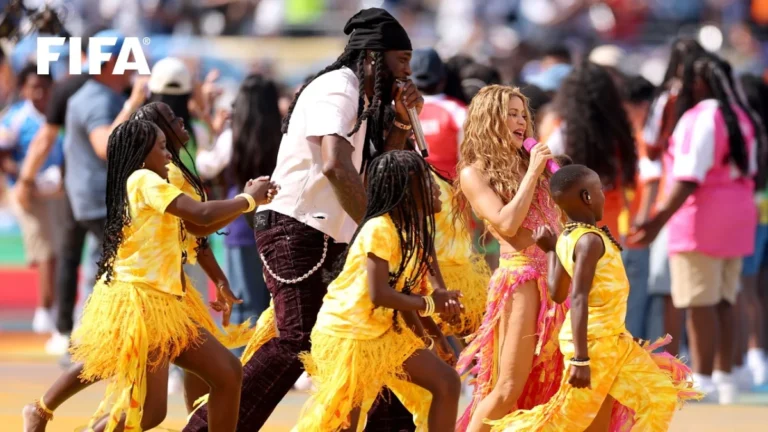
Shakira commanded the stage in a dazzling custom-designed outfit that perfectly blended her signature style with the vibrancy of the World Cup. Her ensemble featured a crystal-covered bodysuit with a striking asymmetric cut-out at the waist, complemented by a flowing fringed skirt in vivid shades of pink and yellow. Holding a matching pink microphone, she exuded confidence and charisma as she launched into the infectious melody of "Dai Dai." Burna Boy stood shoulder-to-shoulder with her, his presence a testament to his burgeoning global influence, adding his unique vocal flair to the performance.
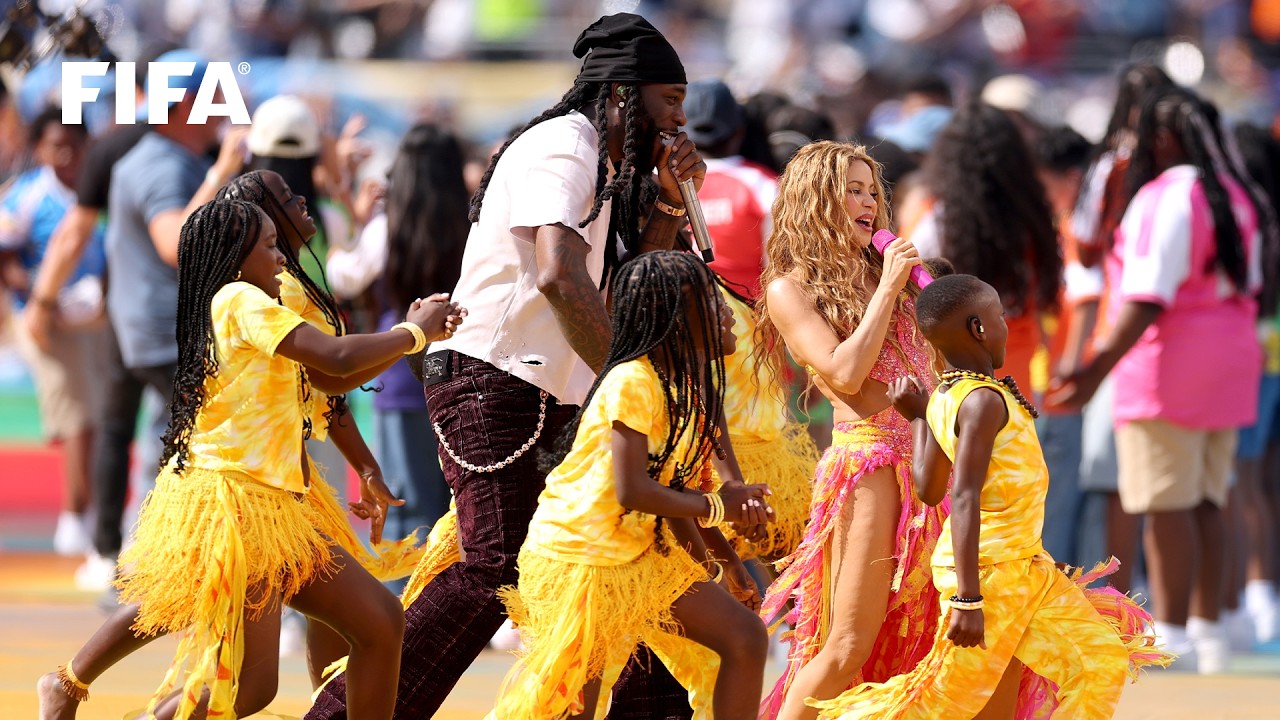
The visual impact of the performance was significantly elevated by the inclusion of Uganda’s celebrated Ghetto Kids. This dynamic dance troupe, known for their captivating choreography and boundless enthusiasm, brought their signature energy to the MetLife pitch. Their synchronized movements and joyful expressions added an extra layer of spectacle, transforming an already impressive performance into an unforgettable celebration of music and dance. The Ghetto Kids’ journey from the streets of Kampala to the World Cup final stage is a powerful narrative of talent and perseverance, making their inclusion a particularly poignant element of the show.
Background and Context of the 2026 FIFA World Cup
The 2026 FIFA World Cup represented a new era for the tournament, being the first to be jointly hosted by three nations: the United States, Canada, and Mexico. With an expanded format featuring 48 teams, the tournament was the largest in FIFA’s history, promising an unprecedented level of global participation and viewership. The opening ceremony in Mexico City set a high bar for the tournament’s entertainment, and the final halftime show was tasked with delivering a fitting crescendo.
The selection of "Dai Dai" as the official anthem was a deliberate choice to embrace a more inclusive and diverse musical landscape. In previous World Cups, anthems have often leaned heavily on established Western pop artists. The decision to feature prominent African and Latin American artists like Burna Boy and Shakira, alongside the emerging talent of the Ghetto Kids, signaled a commitment to celebrating a wider spectrum of global musical influences. This approach aimed to create an anthem that resonated with a broader, more diverse audience, reflecting the ever-evolving cultural tapestry of the modern world.
Supporting Data and Global Reach
The performance of "Dai Dai" at the FIFA World Cup final was not just a musical event; it was a data-rich phenomenon. The anthem’s streaming numbers surged globally following its release and subsequent performances. On platforms like Spotify and Apple Music, "Dai Dai" quickly climbed the charts in numerous countries, demonstrating its widespread appeal. The music video for the song, released prior to the tournament, garnered millions of views, with a significant portion of engagement coming from Africa, Latin America, and Europe.
The halftime show itself is consistently one of the most-watched entertainment segments of the year. In 2026, with the expanded viewership of the World Cup and the immense popularity of the performing artists, estimates suggest that the performance reached an audience exceeding one billion people across television, streaming services, and social media platforms. This level of exposure provides an unparalleled platform for artists and significantly boosts the global profile of the music they perform. The inclusion of Burna Boy and the Ghetto Kids specifically amplified the reach of Afrobeats and African talent on a scale never before seen in a World Cup final.
Official Statements and Reactions
While specific official statements from FIFA or the artists’ representatives immediately following the performance are not detailed in the initial report, the general sentiment from sports and music critics was overwhelmingly positive. The collaboration was hailed as a masterstroke, successfully blending diverse musical genres and showcasing emerging global talent.
"This performance perfectly encapsulates the spirit of the 2026 World Cup – a tournament that is truly global in its scope and celebration of diverse cultures," commented one prominent sports analyst. "Shakira and Burna Boy delivered a powerful rendition of ‘Dai Dai,’ and the Ghetto Kids added an unforgettable visual element. It was a moment that transcended football."
Social media platforms buzzed with reactions from fans worldwide. #DaiDai, #BurnaBoy, and #Shakira trended globally for hours after the halftime show. Fans praised the energy, the seamless blend of musical styles, and the inspirational presence of the Ghetto Kids. Many expressed pride in seeing African artists and culture take such a prominent position on the world’s biggest sporting stage.
Analysis of Implications and Broader Impact
The performance of "Dai Dai" and its prominent placement at the FIFA World Cup final carries significant implications for the global music industry and for cultural representation.
- Afrobeats’ Continued Global Ascendancy: Burna Boy’s participation solidifies Afrobeats’ position as a dominant force in the global music scene. His inclusion on such a monumental stage underscores the genre’s growing appeal and its ability to cross cultural and linguistic barriers. This performance serves as a powerful validation for artists within the genre and encourages further investment and innovation.
- Empowerment of Emerging African Talent: The spotlight on Uganda’s Ghetto Kids is a testament to the power of talent discovery and the impact of platforms like the World Cup. Their journey highlights the potential for artists from developing nations to achieve international recognition and inspire a new generation of performers. This could lead to increased opportunities for African artists and dance troupes across various global entertainment industries.
- Cultural Diplomacy and Soft Power: Music and sports have long been potent tools for cultural diplomacy. The success of "Dai Dai" as a global anthem, featuring artists from Nigeria and Colombia, and dancers from Uganda, demonstrates how cultural collaborations can foster goodwill and understanding between nations. This performance served as a powerful display of Africa’s rich cultural heritage on a global platform.
- Evolution of World Cup Anthems: The success of "Dai Dai" may influence future FIFA World Cup anthem selections. The trend towards more diverse and inclusive musical collaborations could continue, with a greater emphasis on showcasing artists from various regions and musical traditions. This would further enhance the tournament’s global appeal and its role as a cultural unifier.
In conclusion, the halftime show performance of "Dai Dai" by Shakira, Burna Boy, and the Ghetto Kids was more than just an entertainment interlude; it was a cultural moment of immense significance. It celebrated the unifying power of music, showcased the burgeoning global influence of Afrobeats and African talent, and provided a vibrant, energetic spectacle for billions worldwide. As the cheers from MetLife Stadium fade, the echoes of "Dai Dai" will undoubtedly continue to resonate, a testament to a truly global collaboration that captivated the world.