The African digital landscape is undergoing a profound transformation as multi-billion dollar investments in data centres, sovereign AI, and regulatory oversight converge to reshape the continent’s technological trajectory. From a massive $1 billion AI-powered data centre initiative in Egypt to the establishment of state-owned digital infrastructure in Côte d’Ivoire and shifting regulatory battles in Nigeria and South Africa, the region is rapidly transitioning from a passive consumer of global technology to an active host of critical digital architecture.
The Egypt Initiative: A Billion-Dollar AI Frontier
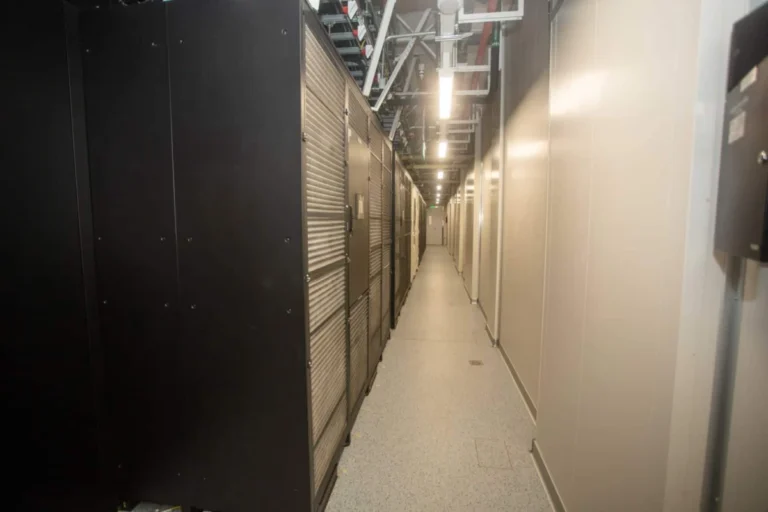
Cassava Technologies, the pan-African technology group founded by Zimbabwean billionaire Strive Masiyiwa, has entered into a landmark joint venture with Vodafone Business and the Egyptian infrastructure giant Elsewedy Electric. This partnership marks a significant escalation in Africa’s capacity to handle artificial intelligence workloads. The project, which was unveiled in July 2025, is structured to commence with an initial 20MW capacity, with a strategic roadmap aimed at scaling to 200MW. While the headline figure of $1 billion represents the total potential capital expenditure at full build-out, the immediate focus remains on the deployment of Nvidia-powered computing clusters.
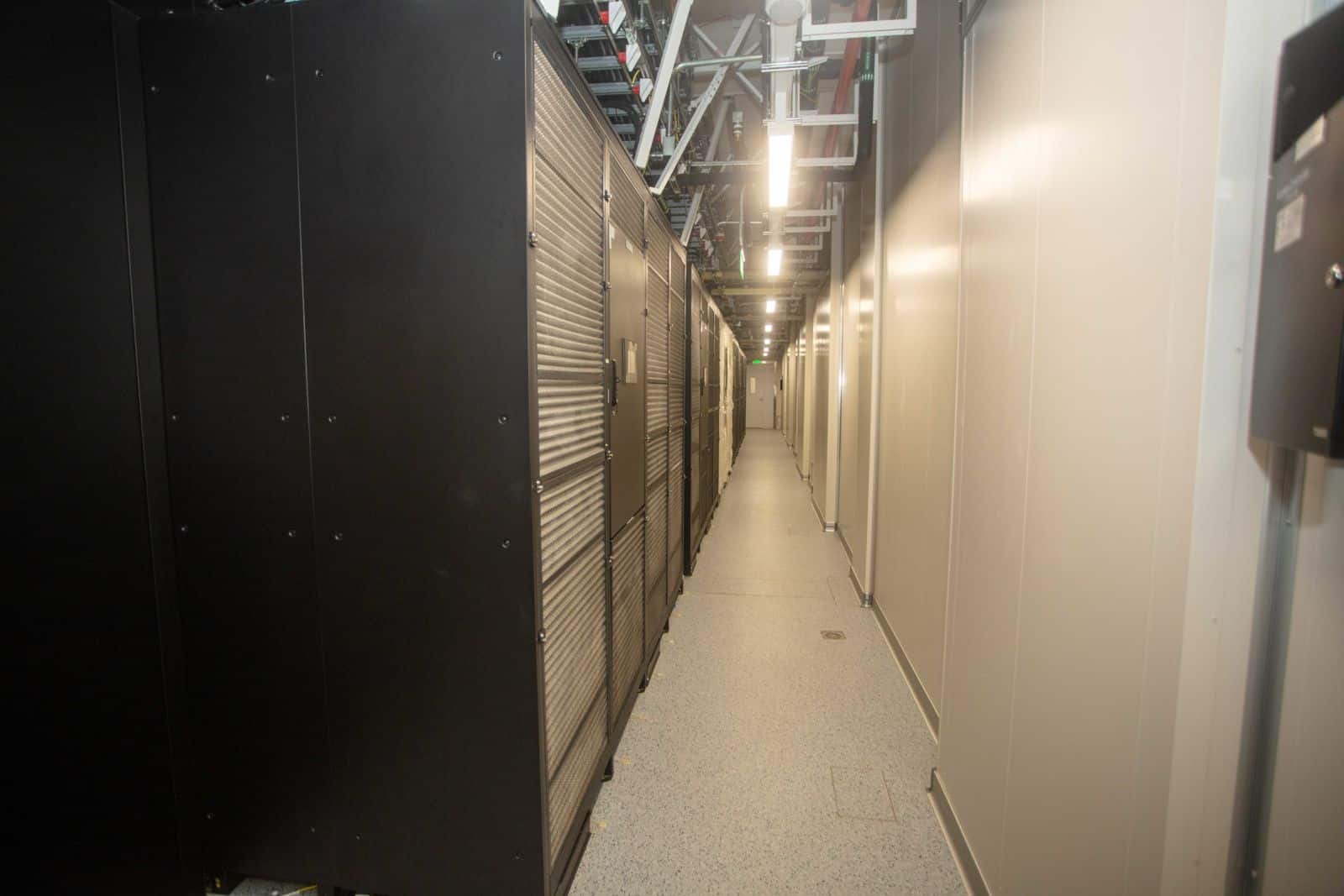
The core objective of this facility is to provide "sovereign AI" capabilities. By establishing local infrastructure capable of processing intensive AI workloads, the joint venture allows Egyptian enterprises and government entities to bypass the latency and data residency risks associated with offloading sensitive information to servers located in Europe or the United States. This "AI-as-a-Service" model is designed to lower the barrier to entry for local startups and public institutions that would otherwise be unable to afford the prohibitive costs of acquiring proprietary high-end GPU hardware.
This move is part of a wider, calculated strategy by Cassava Technologies. Since September 2025, the company has aggressively pursued the establishment of "AI factories" in five key African hubs: South Africa, Kenya, Egypt, Nigeria, and Morocco. These facilities serve as the backbone for the company’s broader partnership with Google, which focuses on expanding access to Gemini and other AI tools across the continent. By integrating its Africa Data Centres (ADC) footprint—which currently spans over 30 markets—with specialized AI compute, Masiyiwa’s organization is positioning itself as the primary landlord of Africa’s digital economy.
Côte d’Ivoire: Asserting Digital Sovereignty
While private sector giants drive investment in North Africa, the government of Côte d’Ivoire is taking a more centralized approach to digital infrastructure. In a project slated for completion in 2027, the Ivorian government, supported by a $170 million digital infrastructure program financed through the US Export-Import Bank, is constructing its first state-owned data centre. The facility, developed by the US technology firm Cybastion at an estimated cost of $66 million, will provide 1.73MW of IT capacity.
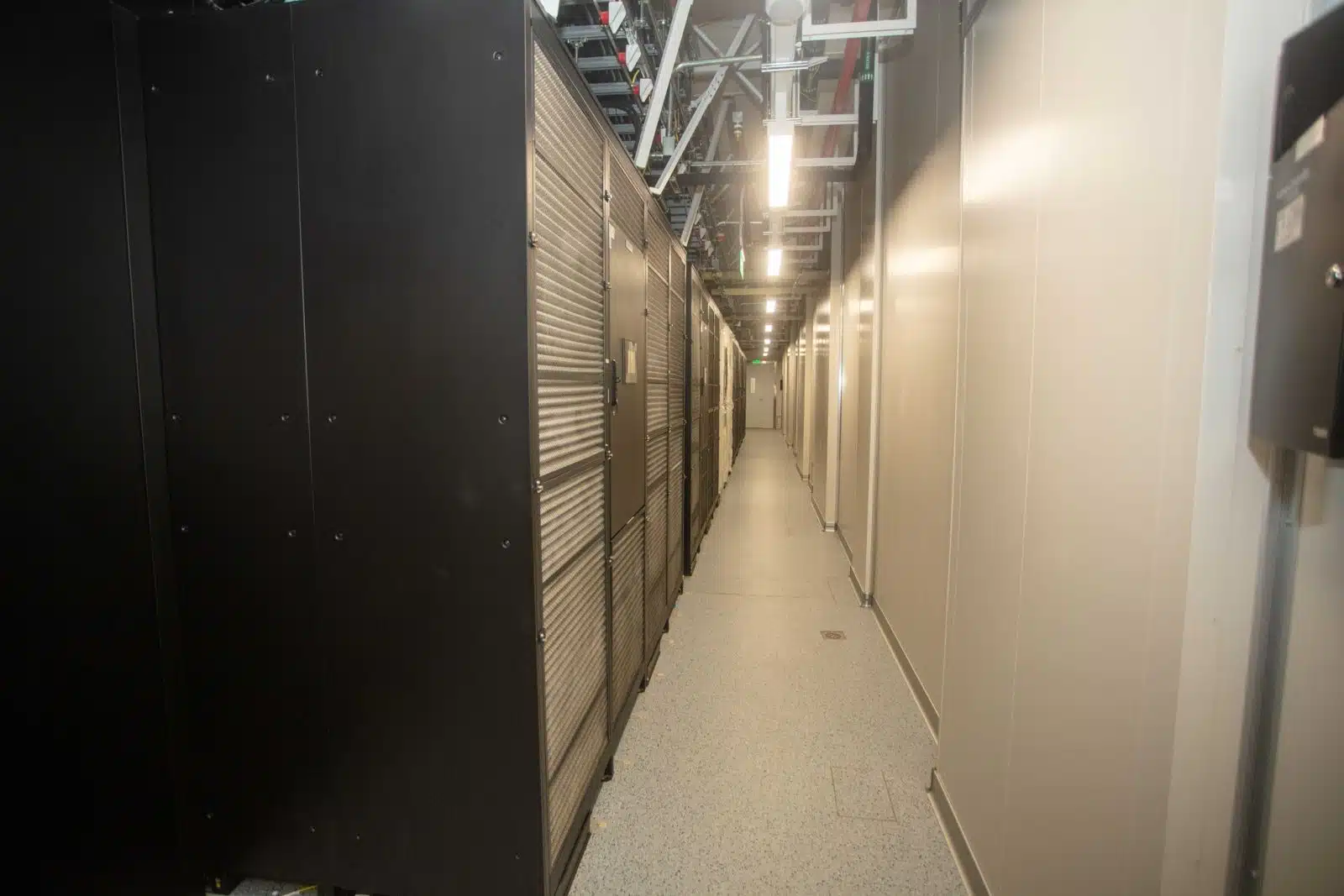
This project represents a critical shift toward "data sovereignty." For decades, many African nations have relied on third-party, often foreign-owned, infrastructure to house public sector data. By bringing this storage under state control, the Ivorian government aims to bolster its digital security, particularly for sensitive public services like border management and national identity databases.
The Ivorian market has seen a flurry of activity recently, with private sector players like Raxio and ST Digital launching carrier-neutral facilities in the country. However, the government-backed facility serves a distinct purpose: it is an instrument of policy and security rather than commercial enterprise. This trend reflects a broader pattern across the Economic Community of West African States (ECOWAS), where governments are increasingly viewing data centres as critical national assets equivalent to power grids or transportation networks.
South Africa: The Evolving E-Hailing Economy
In the Southern tip of the continent, the digital economy is facing friction between global platform models and local socio-economic realities. Uber’s decision to sunset its flagship UberX service in South Africa, effective September 1, 2026, has ignited a fierce debate regarding the precarious nature of platform labor. Uber claims the move is a necessary evolution to simplify its product suite, encouraging drivers to migrate to the Uber Go or Uber Comfort tiers.
However, the National E-Hailing Federation of South Africa (NEFSA) has pushed back, citing data that suggests up to 60% of the existing driver pool may face disqualification from these remaining categories. The tension stems from vehicle eligibility requirements. Uber Comfort requires vehicles to be no older than five years with specific safety features, while Uber Go is restricted to older or budget-conscious vehicles. Many drivers who invested heavily in vehicles specifically calibrated for the UberX market find themselves in a fiscal "no-man’s-land."
The economic implications are significant. E-hailing drivers in South Africa have long struggled with high vehicle rental costs and fluctuating commission structures. NEFSA argues that Uber’s top-down decision-making ignores the capital investments made by drivers, essentially forcing them to upgrade their vehicles or exit the market entirely. This dispute highlights the vulnerability of the "gig economy" model in developing markets, where the platform’s drive for service standardization can inadvertently trigger widespread job displacement.
Nigeria: The Security Implications of Call Masking
In West Africa’s largest market, the Nigerian Communications Commission (NCC) has renewed its offensive against "call masking"—a technical manipulation where international calls are routed to appear as local Nigerian numbers. While historically viewed as a revenue leak for telecommunications operators who lose out on international termination fees, the NCC’s recent board meeting on September 9, 2026, signaled that the regulator now views the practice primarily as a national security threat.

Call masking allows malicious actors to hide their true geographic identity, a tactic frequently used in financial fraud, identity theft, and organized crime. Because the calls appear to originate from domestic numbers, they bypass the scrutiny typically applied to incoming international traffic. The NCC has faced this challenge since at least 2017, and despite various sanctions and blocking campaigns, the practice has proven resilient.
The commission’s renewed focus is part of a broader mandate to enforce "network integrity." As Nigeria deepens its reliance on mobile devices for banking and government authentication, the ability of a user to trust the identity of an incoming caller has become a pillar of the country’s digital financial system. The NCC is now coordinating with law enforcement and telecom operators to implement more rigorous traffic monitoring, suggesting that future enforcement may move beyond simple fines to include the potential revocation of operating licenses for firms found to be facilitating masked traffic.
Analysis: The Path Forward for African Digital Infrastructure
The events of the past several months suggest a maturing digital ecosystem in Africa characterized by three distinct themes:

- The Rise of Sovereign AI: The pivot by Cassava Technologies and its partners towards AI-ready infrastructure indicates that the continent is preparing to move beyond basic connectivity. By localizing compute, African nations can foster local AI innovation rather than remaining dependent on global cloud hyperscalers.
- The Shift Toward State-Owned Infrastructure: The Ivorian model of state-sponsored data centres indicates that governments are no longer content to outsource their critical data to private actors. This trend is likely to expand as governments seek to ensure that their digital service delivery platforms are protected from external geopolitical shocks.
- The Regulatory Tightening of Platforms: Whether it is Uber’s labor disputes in South Africa or the NCC’s battle against call masking in Nigeria, there is a clear trend of regulatory authorities asserting more control over how digital platforms operate within their borders.
The coming years will likely be defined by a delicate balance between encouraging foreign direct investment—such as the $1 billion influx into Egypt—and ensuring that this infrastructure serves the specific security and economic needs of the host nations. For stakeholders in the technology sector, the message is clear: the era of unregulated or purely commercial digital expansion in Africa is rapidly giving way to an era of strategic, sovereign, and highly regulated digital development.