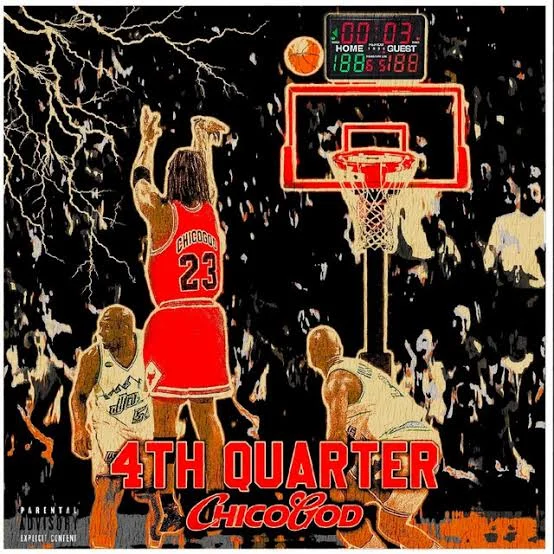
The contemporary Ghanaian music landscape continues to exert a dominant cultural influence across the African continent and the global diaspora, driven by an influx of innovative artists who seamlessly blend traditional rhythms with modern hip-hop, trap, and drill sensibilities. Among the prominent figures shaping this dynamic era is Chicogod, a versatile recording artist recognized for his distinct lyrical agility and unwavering authenticity. Continuing an active and productive release schedule, the Ghanaian artist has officially unleashed his latest single, titled I DONT FEEL NIGGAS. This hard-hitting track serves as a pivotal promotional release for his highly anticipated upcoming studio project, 4TH QUARTER. By combining infectious, meticulously engineered instrumentals with sharp, uncompromising lyricism, Chicogod has once again captured the attention of contemporary music critics and devoted fans alike, further cementing his growing stature within the West African urban music scene.
Main Facts and Musical Composition
I DONT FEEL NIGGAS stands out as a masterclass in modern Ghanaian hip-hop production, characterized by booming basslines, intricate percussion patterns, and a dark, atmospheric sonic backdrop that commands immediate attention. Lyrically, the track reflects themes of resilience, self-reliance, and emotional detachment from insincere relationships within the fast-paced entertainment industry. Chicogod utilizes his trademark delivery—a seamless blend of rapid-fire cadences and melodic undertones—to articulate his perspective on loyalty and success.
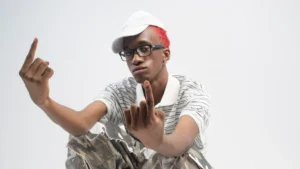
The single does not rely solely on Chicogod’s vocal performance; it is significantly elevated by strategic collaborations with fellow industry heavyweights Jay Bahd and O’Kenneth. Both artists, renowned for their foundational contributions to the Asakaa (Ghanaian drill) movement and broader hip-hop culture in Kumasi and Accra, bring a contrasting yet complementary energy to the track. Jay Bahd’s gravelly, commanding voice and O’Kenneth’s melodic yet gritty verse create a dynamic interplay that gives the song immense depth, ensuring that each contributor leaves a lasting impression on the listener. The resulting synergy transforms what could have been a standard solo release into a monumental collaborative effort that showcases the unity and creative firepower currently driving the Ghanaian music sector.
Background Context of the Artist and the Movement
To fully understand the significance of Chicogod’s latest output, one must examine the broader evolution of Ghana’s urban music ecosystem over the past decade. Traditionally recognized globally for the proliferation of Highlife and the explosive international rise of Afrobeats and Azonto, Ghana has experienced a profound diversification of its musical identity. The emergence of alternative hip-hop, trap, and localized drill subgenres has provided a platform for a new generation of artists who document their daily realities, economic struggles, and societal triumphs through raw, unvarnished lyricism.
Chicogod has positioned himself at the vanguard of this movement. Emerging from the underground circuits, the artist steadily built a loyal following through a series of consistent single releases, high-profile guest appearances, and collaborative projects that highlighted his adaptability across different tempos and stylistic sub-genres. His ability to navigate between traditional rap structures and contemporary melodic hooks has earned him critical acclaim and a dedicated demographic of listeners who champion authentic street narratives.
The upcoming project, 4TH QUARTER, represents a major milestone in Chicogod’s career trajectory. In the modern music industry, the transition from releasing standalone singles to curating a cohesive body of work is a critical test of an artist’s longevity, artistic vision, and project-management capabilities. By titling the album 4TH QUARTER, Chicogod metaphorically signals a sense of urgency, finality, and peak performance—akin to the final, decisive minutes of a competitive sporting event where champions secure their victories. Industry analysts and cultural commentators view this project as a defining moment that could potentially broaden Chicogod’s commercial reach beyond domestic borders into wider international markets, particularly within the United Kingdom and North American diasporic communities that actively consume African hip-hop.
Chronology of Releases and Promotional Timeline
The rollout for I DONT FEEL NIGGAS and the broader 4TH QUARTER campaign has been meticulously structured to maximize audience engagement in an era defined by rapid content consumption and digital streaming algorithms.
The foundational phase of this musical cycle began in early 2026, when Chicogod and his management team initiated a quiet restructuring of his discography, teasing new visual and audio assets across various social media platforms. By leveraging short-form video content on platforms such as TikTok and Instagram, snippets of I DONT FEEL NIGGAS began circulating weeks prior to the official release date, generating organic anticipation among his core fanbase.
As the release date approached, official promotional rollouts commenced with the deployment of high-definition teaser artwork and behind-the-scenes footage from studio recording sessions featuring Jay Bahd and O’Kenneth. This strategy not only built suspense but also capitalized on the existing fanbases of the featured artists, creating a cross-pollination effect that broadened the initial reach of the single.
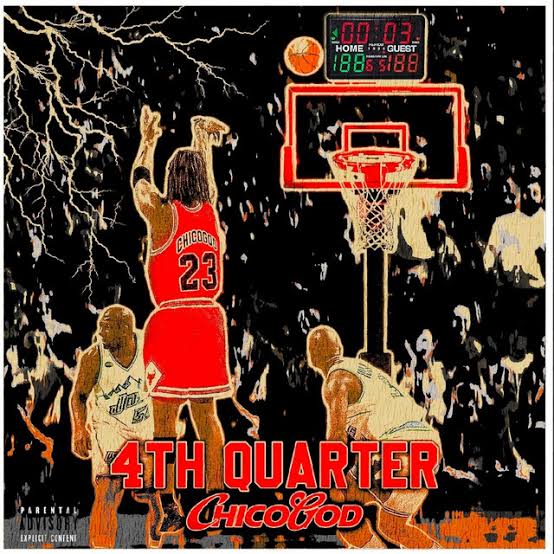
Upon its official digital release, I DONT FEEL NIGGAS was distributed simultaneously across all major streaming platforms, accompanied by a high-production-value music video hosted on YouTube. This multi-channel approach ensured that fans could immediately access the track through their preferred media consumption habits, whether through active visual viewing or passive background streaming. The inclusion of the official music video stream directly within digital editorial features has further catalyzed viewer retention and boosted algorithmic visibility across video-sharing networks.
Industry Reactions and Collaborative Significance
The collaboration between Chicogod, Jay Bahd, and O’Kenneth has generated considerable buzz within West African music circles, sparking discussions among producers, DJs, and media personalities about the current state of collaborative cohesion in Ghanaian hip-hop.
Industry insiders have pointed out that the synergy between artists from different creative pockets of Ghana—particularly bridging the stylistic gaps between the capital city of Accra and the Ashanti regional hub of Kumasi—is vital for the national industry’s unified growth. Jay Bahd and O’Kenneth, who rose to immense prominence as central figures of the Asakaa genre, bring a specific brand of raw, unapologetic street rap that seamlessly merges with Chicogod’s versatile cadence.
Early commentary from regional radio disc jockeys and digital content curators suggests that I DONT FEEL NIGGAS possesses high replay value, driven largely by its infectious hook and the stark contrast between the verses delivered by the three artists. Reviewers have highlighted the technical proficiency of the mixing and mastering, noting that despite the dense low-end frequencies and heavy percussion typical of modern trap and drill productions, each artist’s vocal clarity remains uncompromised. This technical precision reflects a growing standard of professional excellence within the Ghanaian independent music sector, where artists are increasingly investing in world-class audio engineering to compete on the global stage.
Broader Impact and Economic Implications for the Ghanaian Music Industry
The release of I DONT FEEL NIGGAS and the impending launch of 4TH QUARTER arrive at a critical juncture for the African creative economy. In recent years, streaming revenue, digital distribution networks, and international publishing royalties have become increasingly vital financial lifelines for independent artists operating outside traditional major label structures.
By executing a coordinated release strategy that prioritizes cross-platform availability—ranging from YouTube streaming to digital service providers—Chicogod and his team are maximizing their monetization potential in an increasingly borderless music market. The commercial performance of tracks like I DONT FEEL NIGGAS directly contributes to the economic viability of the local production ecosystem, creating secondary employment opportunities for mixing engineers, videographers, graphic designers, digital marketers, and public relations specialists.
Furthermore, the international exportation of contemporary Ghanaian hip-hop plays a significant role in cultural diplomacy and tourism stimulation. As global audiences increasingly seek out authentic regional sounds from the African continent, projects spearheaded by artists like Chicogod serve as cultural ambassadors, introducing international listeners to the linguistic nuances, fashion trends, and social realities of contemporary West African youth culture.
Future Outlook as the 4TH QUARTER Campaign Progresses
As 2026 progresses, the momentum surrounding Chicogod’s upcoming body of work is expected to intensify. With I DONT FEEL NIGGAS establishing a high benchmark for the sonic direction of 4TH QUARTER, attention now turns to the official tracklist reveal and subsequent release date announcements for the full-length project.
Music industry analysts anticipate that Chicogod will likely embark on a promotional tour encompassing major metropolitan centers in Ghana, alongside targeted promotional stops in key international diaspora hubs such as London and Toronto, where West African urban music maintains a robust and rapidly expanding consumer base.
Ultimately, I DONT FEEL NIGGAS is more than just a seasonal hit; it is a calculated artistic statement that demonstrates Chicogod’s refusal to stagnate creatively. By uniting with formidable peers, maintaining a rigorous production standard, and engaging his audience through strategic digital rollouts, Chicogod continues to author an impressive chapter in his career—one that firmly establishes his credentials as a defining voice in modern African hip-hop.