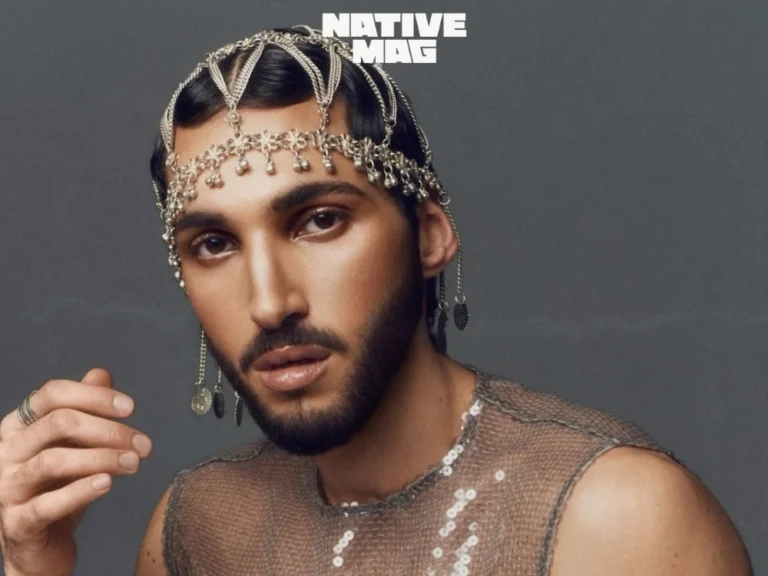
The intersection of queer identity and traditional North African society has long been a subject of intense sociopolitical debate, often characterized by exclusion and silence. However, the rise of multidisciplinary artist El Mehdi, a figure whose upbringing spans Rabat, Paris, and Montreal, represents a significant shift in how these narratives are being reclaimed. Through his debut musical project, SALAM, and his performance in the groundbreaking Moroccan feature film L’Héritier des secrets, El Mehdi is actively navigating the complex terrain of Amazigh heritage, faith, and LGBTQ+ visibility. His work serves as a case study in the modern struggle for representation within societies that have historically framed non-normative identities as foreign imports.
A Life Defined by Duality and Displacement
El Mehdi’s journey began in Rabat, Morocco, but was quickly shaped by the migration patterns common to many in the North African diaspora. His early childhood involved time in the south of France before his family eventually settled in Canada. This nomadic upbringing, while providing access to diverse cultural perspectives, also fostered a persistent sense of displacement.
Psychologists often refer to this as "acculturative stress," where individuals struggle to reconcile the values of their ancestral home with the realities of their host country. For El Mehdi, this duality was exacerbated by his internal exploration of queerness, a reality that found no place within the rigid traditional expectations of his upbringing. His transition into the arts—initially through sketching and later through songwriting—functioned as a private sanctuary. His early experiences, including parental concern regarding his artistic interests, underscore a broader societal pattern in Morocco, where creative expression—particularly when diverging from heteronormative paths—is frequently met with suspicion.
The Musical Evolution of SALAM
Released in 2024, the EP SALAM stands as a pivotal moment in El Mehdi’s career. The project is not merely a collection of songs but a deliberate fusion of linguistic and sonic heritages. By incorporating Darija (Moroccan Arabic) with layered vocal harmonies and traditional Gnawa instrumentation, El Mehdi effectively bridges the gap between his Moroccan roots and his Western artistic influences.
The production process, spanning studios in Canada, France, and Morocco, reflects the globalized nature of contemporary independent music. The project’s reliance on real instrumentation, particularly string arrangements and Gnawa percussion, serves as an homage to North African musical history, reclaiming these sounds to tell a story of self-actualization. The release of a dedicated Darija version of the EP was a strategic move to address his primary audience—the Moroccan public—thereby asserting his right to participate in the linguistic and cultural discourse of his homeland.
Cinema as a Catalyst for Social Dialogue
Beyond his musical contributions, El Mehdi’s role in the feature film L’Héritier des secrets marks a significant milestone in Moroccan cinema. The film is among the first to directly engage with the experiences of transgender individuals within the country. The cinematic landscape in North Africa has historically been conservative; however, the last decade has seen a slow, yet palpable, increase in films tackling social taboos.
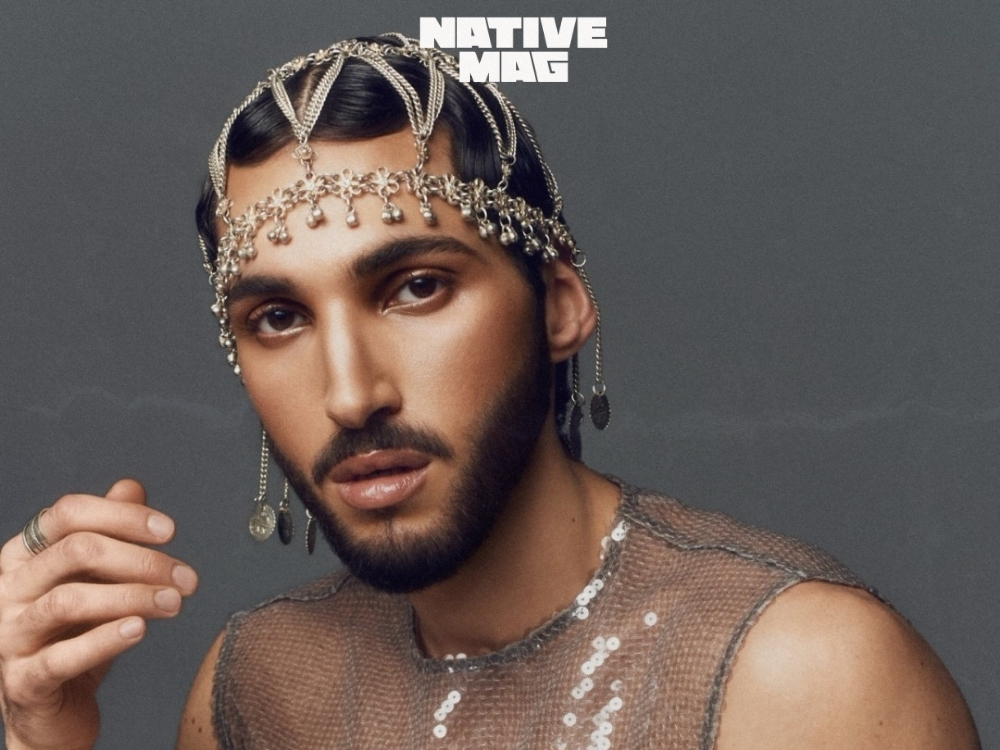
The film serves as a lens through which the public can examine the reality of queer existence in Morocco, effectively countering the narrative that such identities are "Western-imposed." Research from organizations like Amnesty International and Human Rights Watch has documented the persistent challenges faced by LGBTQ+ individuals in the region, noting that legal and social barriers remain high. By centering a queer narrative in a Moroccan feature film, L’Héritier des secrets challenges the "erasure" strategy, forcing a conversation that has been relegated to the margins for decades.
Chronology of Influence and Reconnection
El Mehdi’s path to the present has been marked by several distinct phases of identity development:
- Early Childhood (Rabat/France): Initial artistic interest in sketching, often suppressed by familial expectations of normative behavior.
- Adolescence (Canada): A period of intense isolation, where art became a primary coping mechanism to manage the dissonance between his internal identity and his public persona.
- Early Adulthood: The decision to enter a home studio, initially writing for others before finding the confidence to perform his own compositions.
- 2024 (The Release of SALAM): A formal declaration of identity, merging his Moroccan, Amazigh, and queer experiences into a public-facing project.
- Recent Years: Active engagement with his Amazigh heritage, including building relationships with extended family members, a process he describes as vital to his emotional stability.
Fact-Based Analysis: The Societal Impact of Visibility
The reaction to El Mehdi’s work provides a window into the current state of Moroccan social discourse. While he reports receiving significant hostility—often characterized by the "loud" opposition found in digital comment sections—he also notes a burgeoning community of support. This dichotomy is a common phenomenon in digital sociology, where platforms often amplify inflammatory discourse, creating a "spiral of silence" among those who hold more progressive or nuanced views.
Furthermore, El Mehdi’s experience of finding unexpected support from his Amazigh relatives highlights a crucial point: the intersectionality of his identity. His connection to his Amazigh heritage—a culture often marginalized within the broader Arab-dominant framework—has provided him with a community that, in some instances, has proven more accepting than the mainstream urban centers. This challenges the monolithic view of Moroccan society as universally hostile to change.
Implications for Future Artistic Expression
The implications of El Mehdi’s work are twofold. First, he is challenging the definition of "belonging." By refusing to leave his culture, despite the pressure to conform or emigrate, he is insisting on the right of queer North Africans to occupy space in their own countries. This is an act of defiance against the narrative that cultural authenticity is conditional upon social conformity.
Second, he is bridging the divide between the diaspora and the homeland. By creating art that resonates with both groups, he is facilitating a transnational dialogue. As he noted in discussions regarding his work, the "mental illness" trope—often used by detractors to pathologize queerness—is being replaced by a more nuanced understanding of identity as a multifaceted, non-linear journey.
Conclusion
El Mehdi’s emergence as an artist represents a broader trend of individuals using digital media and film to challenge long-standing social taboos in North Africa and the Muslim world. His insistence on singing in his own language and participating in the national cinema are not just creative choices; they are political ones. As these conversations continue to unfold, the work of artists like El Mehdi will likely remain at the center of a vital, if difficult, evolution in how these societies view, treat, and include their queer citizens. The path forward remains fraught with legal and social challenges, yet the shift toward visibility—as demonstrated by his project—appears to be a permanent development in the contemporary cultural landscape.