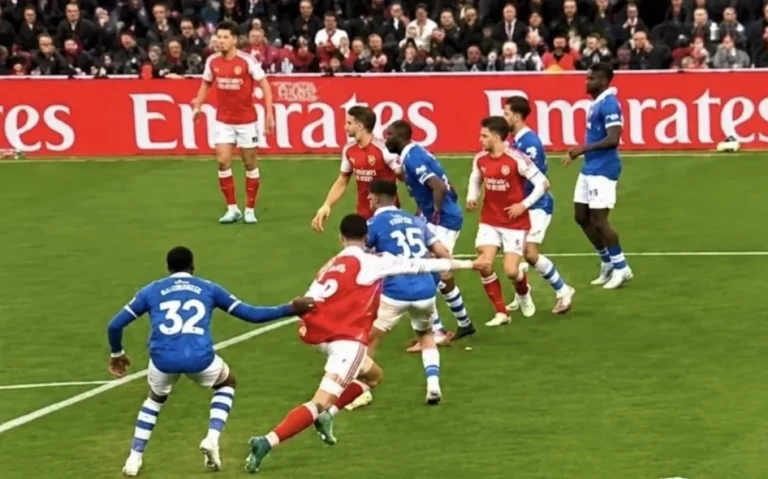
The independent Key Match Incidents (KMI) panel has released its latest assessment of officiating performances across recent Premier League fixtures, delivering a series of unanimous rulings that highlight ongoing inconsistencies in the application of Video Assistant Referee (VAR) protocols. Among the most notable findings is the determination that Arsenal were incorrectly denied a penalty during their encounter with Hull at the Emirates Stadium on November 7, as well as an oversight regarding a physical altercation in the Coventry versus Everton match on November 6. These findings underscore the persistent tension between technical rule interpretations and the real-time execution of match-day officiating.
The Arsenal vs. Hull Penalty Dispute: A Chronological Breakdown
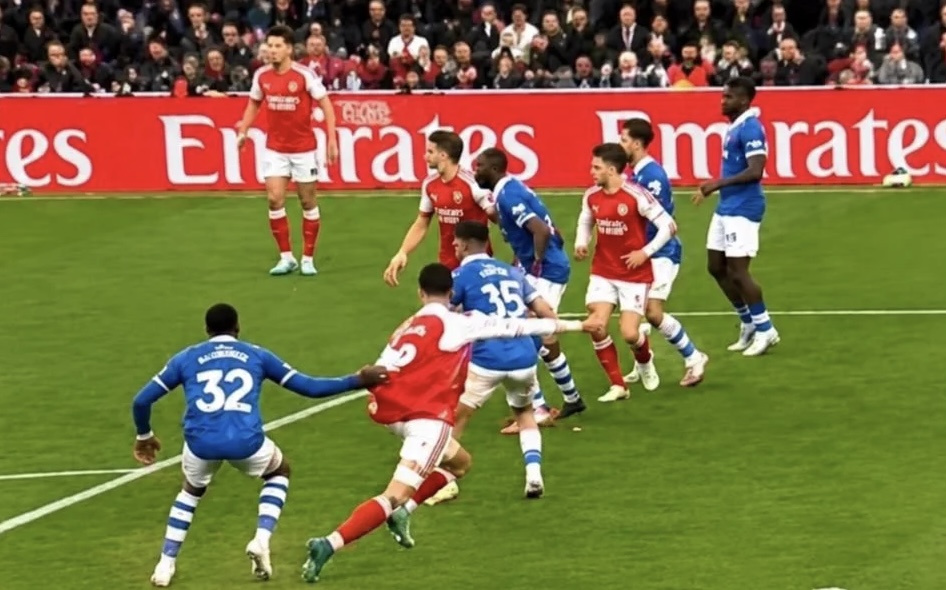
The incident involving Arsenal forward Kai Havertz has sparked significant debate regarding the sequence of events and the hierarchy of rule application. On November 7, during the clash at the Emirates, Havertz was visibly restrained by Hull defender Nobel Mendy inside the penalty area. Referee Farai Hallam initially waved play on, choosing not to award a spot-kick.
Following a standard check, VAR Michael Oliver prompted Hallam to review the incident at the pitch-side monitor. Despite the review, the decision remained unchanged, with officials citing an offside position against Havertz as the primary reason for denying the penalty. However, the five-person KMI panel—an independent body composed of former players, coaches, and match officials—concluded that this logic was fundamentally flawed.
According to the panel’s report, the holding offense committed by Nobel Mendy occurred chronologically prior to any potential offside infraction by Havertz. The panel pointed to Law 11 of the IFAB Laws of the Game, which dictates that a player in an offside position is only sanctioned when they become involved in active play by interfering with an opponent or gaining an advantage from that position. By prioritizing the offside call over the physical foul, the on-field officials misread the timeline of the phase of play. The panel’s unanimous verdict is that a penalty should have been awarded, and the subsequent offside flag—had it been raised—should have been considered secondary to the foul that occurred while the ball was live.
Hair-Pulling Incident: The Coventry vs. Everton Ruling
In addition to the Arsenal fixture, the KMI panel scrutinized the November 6 match between Coventry and Everton, where a controversial physical altercation went unpunished. During the game, Everton defender James Tarkowski was involved in a challenge with Coventry’s Caleb Yirenkyi. Replays showed Tarkowski appearing to pull Yirenkyi’s hair, a move that is strictly prohibited under the laws of the game regarding violent or unsporting conduct.
The on-field referee opted not to penalize the action, and VAR intervention was noticeably absent. The KMI panel was unanimous in its disagreement with this decision. The panel’s assessment concluded that the incident clearly met the threshold for a foul, warranting both a penalty kick for Coventry and a yellow card for Tarkowski. This incident has raised further questions about the threshold for VAR intervention in "off-the-ball" or "non-footballing" physical altercations, which are often categorized under the umbrella of serious foul play or unsporting behavior.
Clarity on the Manchester United vs. Aston Villa Equalizer
While the panel criticized two major decisions, they found consensus on a third, more contentious moment: Manchester United’s equalizer in their 4-4 draw against Aston Villa on November 8. The goal was subject to intense scrutiny following replays that suggested United goalkeeper Senne Lammens may have impeded his counterpart, Zion Suzuki, during a set-piece scramble.
Opposing players and staff argued that the contact was sufficient to constitute a foul, which would have nullified the goal. However, the KMI panel provided a robust defense of the original decision to allow the goal to stand. Their analysis concluded that while there was indeed contact between the two players, the physical impact was negligible and did not meet the "clear and obvious" threshold required to overturn an on-field decision. The panel viewed the contact as a natural byproduct of players competing for the same space during a high-stakes aerial challenge, reinforcing the Premier League’s recent directive to maintain a high bar for VAR interference.
The Role and Function of the KMI Panel
The Key Match Incidents (KMI) panel serves as a vital accountability mechanism within the English Premier League structure. Comprising five experts—typically a mix of former professionals, managers, and retired referees—the panel reviews a selection of controversial incidents each week. Their findings are not binding on the Professional Game Match Officials Limited (PGMOL) in terms of retroactively changing match results, but they serve as essential feedback for referees to improve consistency and alignment in decision-making.
The existence of this panel highlights the complexity of the current VAR environment. As the technology continues to evolve, the challenge remains for officials to interpret nuances such as "active play" in offside scenarios and the severity of physical contact. By providing these public assessments, the Premier League aims to bridge the transparency gap between officiating bodies and the public, though the frequency of these "errors" suggests that the integration of technology remains a work in progress.
Broader Implications for Premier League Officiating
The recent rulings highlight three major areas of concern for the PGMOL as the season progresses:
- Sequential Logic in VAR Decisions: The Arsenal case illustrates that officials are occasionally struggling to parse the order of events when a foul and an offside occur in rapid succession. The panel’s ruling reinforces that a foul committed while the ball is in play should take precedence over a subsequent offside position.
- Standardization of Physical Contact: The failure to penalize the hair-pulling incident in the Coventry vs. Everton match points to a potential inconsistency in how referees define "minor" versus "major" physical infractions. Hair-pulling is universally recognized as a non-footballing action; the failure to punish it suggests that officials may be becoming overly reliant on subjective interpretations of contact rather than clear, objective violations of the Laws of the Game.
- The Threshold for Intervention: The Manchester United versus Aston Villa decision shows that the panel is supportive of the current trend to avoid "soft" fouls in the box. By setting a high bar for interference, the panel is signaling that it prefers for play to continue unless a foul is clear, deliberate, and impactful.
Statistical Context and Future Outlook
Throughout the 2024/2025 season, the PGMOL has faced increased pressure to justify VAR decisions, particularly as the frequency of reviews has become a focal point of match-day discourse. According to recent data tracking, the average number of VAR interventions per match remains consistent with previous seasons, yet the time taken to reach conclusions—and the accuracy of those conclusions—remains a subject of intensive review by the league’s technical committee.
The KMI panel’s recent report serves as a diagnostic tool rather than a punitive one. By highlighting these specific errors, the panel provides a blueprint for PGMOL trainers to use in upcoming workshops with active referees. For clubs like Arsenal, the findings offer little practical solace, as the points lost due to the officiating error remain unrecoverable. However, for the integrity of the sport, the recognition of these mistakes is considered a necessary step toward the long-term professionalization of match officiating.
As the Premier League approaches the mid-season mark, the focus will likely remain on reducing the "human element" of error that often creeps into the VAR room. The discrepancy between the on-field call, the VAR recommendation, and the panel’s final verdict indicates that while the technology is functioning, the human interpretation of the images provided remains the most variable factor. Future improvements may involve more specialized training for VAR operators regarding the specific laws—such as the complexities of Law 11—to ensure that the chronological order of events is correctly prioritized in future incidents.
In conclusion, the KMI panel’s latest report acts as a sober reminder that even with sophisticated camera angles and high-speed communication, officiating at the elite level remains a challenging pursuit. Whether through the misinterpretation of offside rules in the Arsenal game or the oversight of physical conduct in the Coventry match, the Premier League continues to grapple with the limitations of its current system. As fans and stakeholders await further developments, the demand for transparency and accuracy remains the guiding principle for the future of English football’s officiating landscape.